
South Korea’s Won Rebounds 8.8% as Chip Repatriation and Rate Hikes Offset Tech Sell-Off
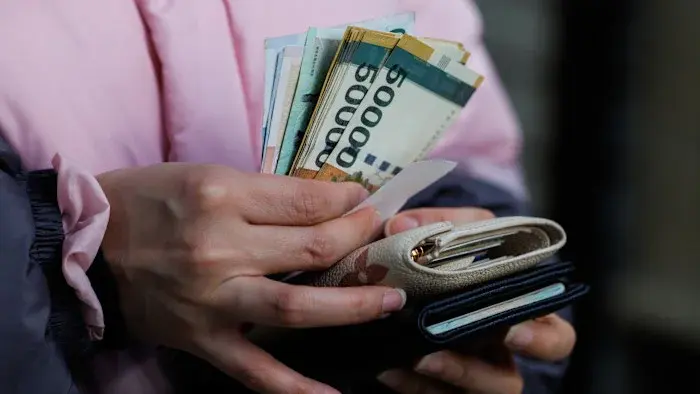
The South Korean won surged nearly 8.8% against the US dollar in July, marking its strongest monthly performance among G20 currencies since the 2009 financial crisis. This sharp reversal followed months of weakness where the currency traded at multi-decade lows. The rebound was driven by massive repatriation of overseas earnings from chipmakers, a hawkish turn in monetary policy, and reduced foreign equity selling. Despite the Kospi index losing nearly 25% of its value due to global tech fears, the currency strengthened as Samsung and SK Hynix committed over $1 trillion to domestic AI infrastructure, triggering sustained dollar sales. The Bank of Korea also raised interest rates for the first time in three years to 2.75%, citing persistent inflation.
Key points
- The won appreciated 8.81% against the dollar in July, closing at 1,424 won per dollar, the largest monthly gain since March 2009.
- Samsung Electronics and SK Hynix announced over $1 trillion in domestic investments for AI infrastructure and semiconductor factories, prompting significant repatriation of overseas dollar earnings.
- SK Hynix raised $26.5 billion in a US listing, with proceeds earmarked for domestic investment, contributing to an estimated $1 billion daily repatriation flow in mid-2026.
- The Bank of Korea raised its benchmark interest rate by 0.25 percentage points to 2.75%, its first hike in over three years, to combat inflation that reached 3.2% in June.
- Foreign investor net selling of Korean equities slowed significantly in July compared to June, reducing pressure on the currency despite a 25% drop in the Kospi index.
Background
Prior to July, the won had traded near multi-decade lows, ranking among Asia’s worst performers alongside the Philippine peso and Indonesian rupiah, largely due to energy shocks from the Iran conflict and heavy foreign equity selling. The currency had previously reached levels last seen during the 2008-2009 financial crisis, despite South Korea maintaining a large trade surplus from AI chip exports. This recent rebound represents a dramatic shift from that prolonged period of weakness.
How outlets are covering it
The Financial Times attributes the won’s strength primarily to structural shifts in capital flows, specifically the repatriation of earnings from Samsung and SK Hynix’s massive domestic investment plans, alongside the Bank of Korea’s rate hike. It notes that the currency strengthened despite a severe tech stock sell-off, which reduced foreign equity selling. Chosun Ilbo emphasizes the speed and magnitude of the recovery, highlighting that the won’s appreciation was the fastest since the global financial crisis. It also points to behavioral changes in the market, such as a 74% surge in individual dollar purchases as citizens sought to buy at lower rates, and notes that the won outperformed the Japanese yen, which rose 3.15% due to government intervention. While both sources agree on the 8%+ gain, the Financial Times focuses on macroeconomic policy and corporate strategy, whereas Chosun Ilbo highlights market mechanics and individual investor behavior.
Why it matters
This currency rebound signals a potential stabilization of South Korea’s financial markets despite global tech volatility. The massive repatriation of chipmaker earnings suggests that domestic AI infrastructure investment is creating a sustained demand for the won, potentially offsetting risks from a cooling global tech sector. The Bank of Korea’s decision to raise rates indicates a commitment to controlling inflation, which may influence future monetary policy in the region. For investors, the divergence between the strong currency and the weak equity market highlights the complex dynamics of capital flows in emerging markets, where corporate repatriation can support currency value even as stock prices decline.
What to watch
The Bank of Korea governor Shin Hyun-song indicated that inflation is likely to remain above target for a considerable period, suggesting further rate hikes may follow. The sustained repatriation of funds from Samsung and SK Hynix is expected to continue, providing ongoing support for the won. However, the currency’s strength may face pressure if global tech stocks continue to decline or if foreign investors resume net selling of Korean equities. The government is also coordinating closely with the US and Japan on currency issues, which could influence future exchange rate dynamics.
- Why South Korea’s won was one of world’s best performers in July Financial Times
- Rare joint currency intervention sends strong message to markets reuters.com
- Korean Won Surges Most Since Financial Crisis 조선일보
- Stealth intervention causes wild swings in USD/JPY; focus stays on Middle East and next US CPI TradingView
- South Korean Won Gains 8.81% in July Against Dollar, Biggest Monthly Rise Since March 2009 bloomingbit
Want the full story? Read the original reporting
Read on Financial Times