
Houthi Strikes on Saudi Energy Sites Push Brent Crude Near $100
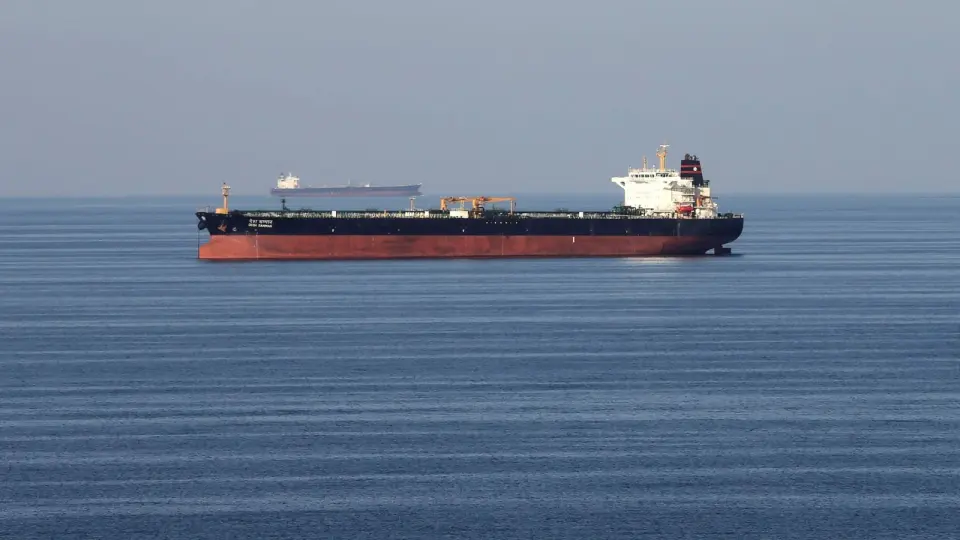
Oil prices surged Tuesday after Iran-aligned Houthi militants in Yemen attacked multiple energy facilities in Saudi Arabia, causing fires and temporary operational halts. Brent crude reached $99.46, while U.S. West Texas Intermediate futures rose nearly 2%. The attacks, which injured over 70 civilians, follow recent U.S. strikes on Iranian oil tankers and reflect escalating tensions in the Middle East.
Key points
- Brent crude futures climbed 1% to $98.13 per barrel, hitting an intraday high of $99.46, while WTI futures advanced 1.95% to $93.26.
- Houthi militants targeted energy infrastructure in Abha, Khamis Mushait, Jazan, and Najran using drones and ballistic missiles, according to Saudi state media.
- The Saudi Foreign Ministry reported that more than 70 civilians were injured in the attacks, which caused fires and forced temporary shutdowns at several facilities.
- Goldman Sachs raised its December 2026 price forecasts for Brent and WTI by $5, citing prolonged Middle East shipping disruptions that may continue into 2027.
- The attacks follow U.S. military strikes on three Iranian oil tankers, which Tehran condemned as economic warfare, prompting warnings from Iranian officials about retaliatory actions.
Background
This escalation follows a series of Houthi attacks on Saudi energy infrastructure since July 2026, including strikes on Aramco facilities in Jizan and Yanbu. Previous incidents in September caused Brent crude to approach $97.40, marking a significant rise from earlier levels. The current conflict is part of a broader pattern of U.S.-Iran military exchanges that began in July, with oil prices already up more than 8% for the month of September.
Why it matters
The attacks highlight the vulnerability of global energy supply chains to regional conflicts. With Brent crude nearing $100, investors and policymakers are increasingly concerned about prolonged disruptions to Middle East shipping and potential inflationary pressures. The U.S. and Iran’s escalating military exchanges, including strikes on commercial vessels, suggest that the conflict may persist into 2027, affecting global energy markets and geopolitical stability.
What to watch
Analysts expect oil prices to remain volatile as the U.S. and Iran continue to trade strikes. Goldman Sachs anticipates that Middle East shipping disruptions will persist into 2027, with production gradually recovering in the second half of the year. Saudi Arabia has signaled it will take necessary measures to defend its sovereignty, while Iranian officials have warned of further retaliatory actions against U.S. assets.
- Brent crude oil near $98 after Iran's Houthi allies attack multiple Saudi energy facilities CNBC
- U.S. oil prices reach highest level in months after Saudi Arabia reports civilian and energy sites struck MarketWatch
- Attacks on Saudi Arabian energy sites: Can Brent crude price break out above resistance? Traders Union
- Brent Hits $99.45 as Saudi Attacks Halt Energy Facilities; Dow Futures Fall TechStock²
- Crude Oil Futures (OCT6) Price Trend Today | Quotes & News Moomoo
Want the full story? Read the original reporting
Read on CNBC