Tag

Compounding Pharmacies

All articles tagged with #compounding pharmacies

FDA may expand access to unapproved peptides, but safety remains unsettled
health6 days ago

FDA may expand access to unapproved peptides, but safety remains unsettled

A FDA advisory panel voted to increase access to six unapproved peptides via compounding pharmacies with prescriptions, potentially changing peptide regulation. Experts caution that being more accessible does not mean these peptides are proven safe or effective—many remain untested and unregulated—though compounding could improve purity. The panel's recommendation is not final, and formal rulemaking is required; consumers should weigh potential benefits against significant safety uncertainties.

Regulatory Clash as Online Peptide Craze Outpaces Science
sciencehealth-policy19 days ago

Regulatory Clash as Online Peptide Craze Outpaces Science

The online hype around MOTS-c and other peptides has spawned unregulated use with little human safety data; researchers press for quality-controlled, prescriber-supervised compounding as a safer alternative to the black market, while FDA staff warn against it due to safety gaps; an FDA panel narrowly backed allowing six peptides to be manufactured via compounding—sparking a policy fight over access, safety, and the future of peptide therapies.

FDA panel backs broader access to six peptides through compounding pharmacies
health27 days ago

FDA panel backs broader access to six peptides through compounding pharmacies

An FDA advisory committee voted to recommend expanding access to six peptides (BPC-157, TB-500, KPV, MOTS-c, Semax, Epitalon) by adding them to the 503A Bulks List, potentially enabling licensed pharmacies to prepare prescriptions instead of relying on unregulated online sources. The vote covers six of seven peptides reviewed; the FDA must still issue a final decision. While supporters view it as progress toward safer access, experts caution that safety and efficacy data vary across peptides and emphasize requiring qualified clinicians, licensed pharmacies, quality testing, and patient monitoring—without treating this as blanket approval.

FDA panel votes to ease access to controversial peptides
health1 month ago

FDA panel votes to ease access to controversial peptides

An FDA advisory panel voted to recommend that certain compounding pharmacies be allowed to produce at least one of seven controversial peptides, a win for RFK Jr.’s push to broaden peptide access despite FDA safety concerns; final FDA approval remains pending and could be influenced by the panel’s recommendation amid ongoing debates over safety, efficacy, and potential conflicts of interest among advisers.

FDA scientists flag evidence gaps in peptide deregulation push
health1 month ago

FDA scientists flag evidence gaps in peptide deregulation push

FDA scientists say seven peptides being considered for compounding pharmacies lack sufficient human data and may pose safety risks, challenging RFK Jr.'s push to deregulate them; an FDA advisory committee will review the evidence July 23–24, but several peptides have little or no human research, raise concerns about contamination and mislabeling, and the FDA must decide, usually following the panel.

RFK Jr. reshapes FDA peptide panel as scientists warn on unproven drugs
health1 month ago

RFK Jr. reshapes FDA peptide panel as scientists warn on unproven drugs

Kennedy has packed the FDA’s Pharmacy Compounding Advisory Committee with peptide advocates and industry ties, even as FDA scientists warn that several popular injectable peptides lack proven safety or efficacy. The agency added nine new members (raising the panel to 13) who will review seven peptides and consider whether compounding pharmacies can produce them for human use, with final determinations expected after input from the advisory process.

health-policy5 months ago

Kennedy eyes FDA action to widen peptide access and spur a booming market

Health Secretary Kennedy Jr. signals that the FDA will broaden access to peptide therapies—a fast-growing, largely unregulated market—by taking action that could loosen rules for domestic compounding. Supporters say it will improve patient access, while critics warn of safety risks due to limited long-term data and a thriving gray/black market for unproven products. The move comes amid industry litigation, lobbying by compounding pharmacies, and high commercial interest in peptide-based treatments like GLP-1 therapies.

RFK Jr. Moves to Unban 14 Peptides After Rogan Talk
science5 months ago

RFK Jr. Moves to Unban 14 Peptides After Rogan Talk

RFK Jr., serving as HHS secretary, said on the Joe Rogan Experience that he plans to reverse the FDA’s 2023 ban on certain peptides, with about 14 of them set to be unbanned and made accessible through ethical suppliers in the coming weeks. The push comes despite limited human safety data and has sparked lawsuits and a debate over FDA authority vs. patient access to unapproved drugs.

Novo Nordisk Shares Drop Significantly Amid Sales and Profit Warnings
business1 year ago

Novo Nordisk Shares Drop Significantly Amid Sales and Profit Warnings

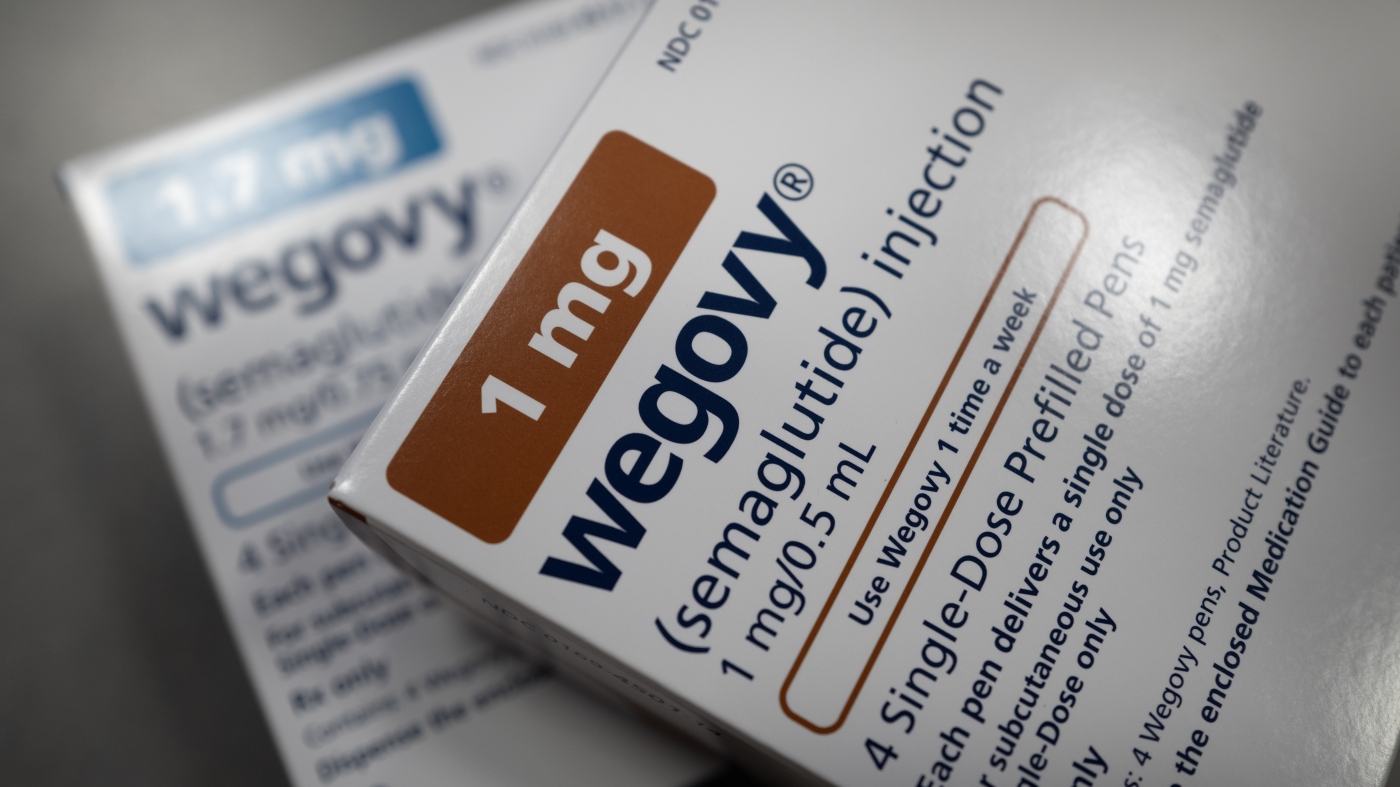
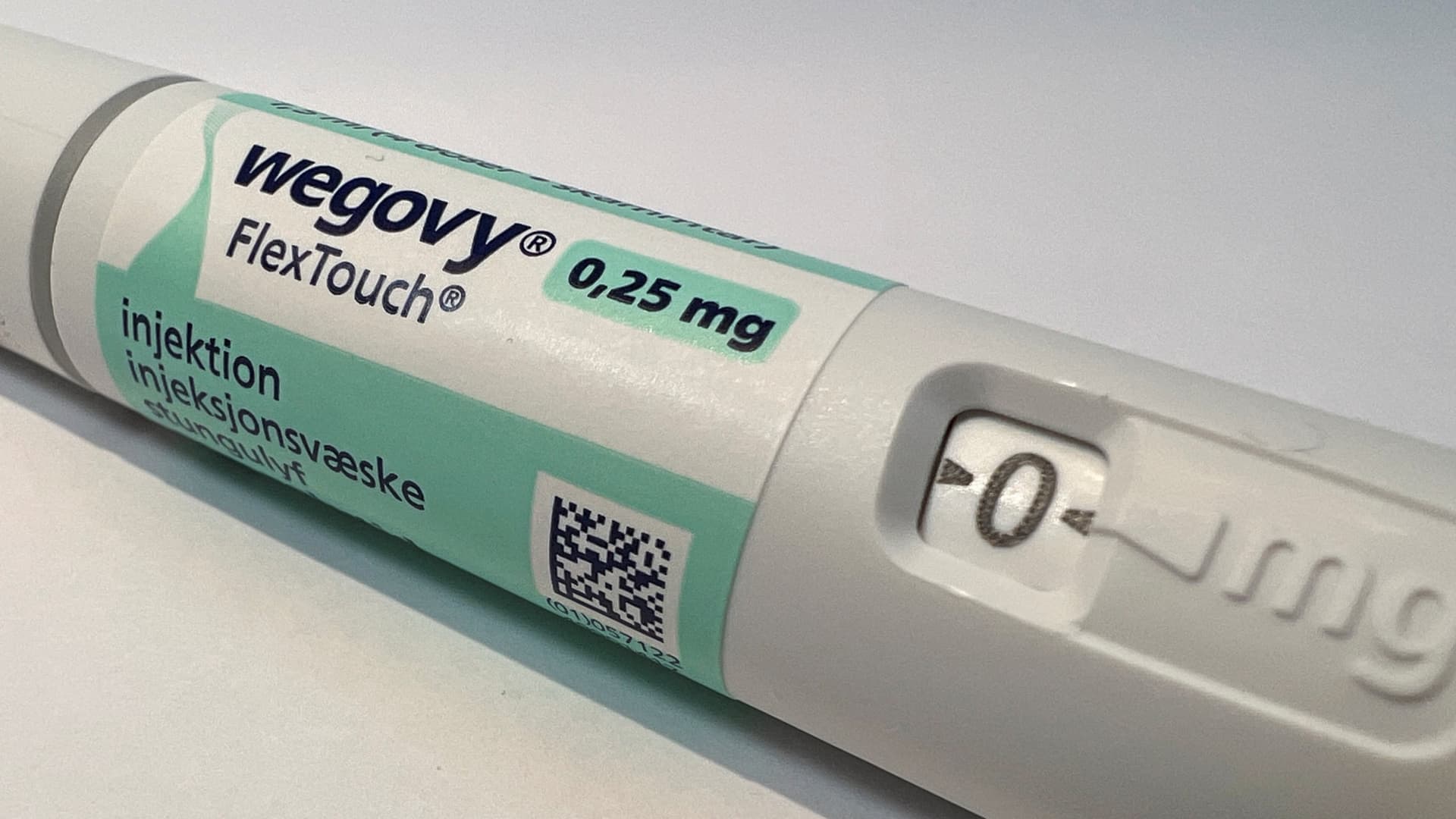
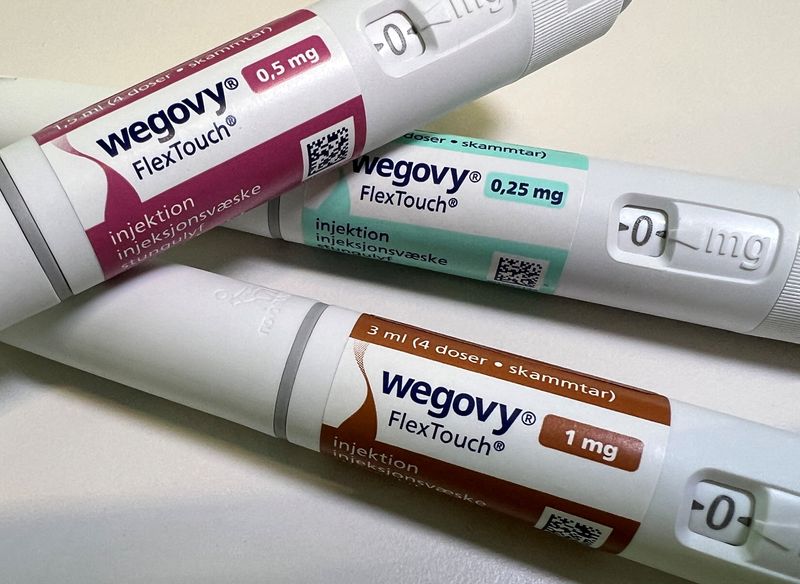
Novo Nordisk has lowered its sales forecast for the obesity drug Wegovy due to increased competition from compounded versions made by pharmacies, which are not FDA-approved but are legally customized for individual patients. The company is taking legal action to address this issue and has announced a new CEO, Maziar Mike Doustdar. Despite efforts to sell Wegovy directly to consumers, sales through cash channels have been lower than expected, impacting the company's stock.

Trump's Controversial Health Agency Picks Stir Debate
health1 year ago

Trump's Controversial Health Agency Picks Stir Debate

Martin Makary, President-elect Trump's nominee for FDA commissioner, is an executive at Sesame, a telehealth company involved in prescribing compounded weight-loss drugs. His confirmation could influence FDA policies affecting the compounding of cheaper drug versions amid ongoing disputes between branded drug manufacturers and compounding pharmacies. The FDA's role in determining drug shortages, which allows pharmacies to compound drugs, is central to this issue.

FDA Shuts Down California Facility Over Contaminated Weight-Loss Drugs
health1 year ago

FDA Shuts Down California Facility Over Contaminated Weight-Loss Drugs

The FDA has shut down a drugmaker after discovering contamination in an injectable weight-loss drug, highlighting ongoing safety concerns with compounded versions of popular weight-loss medications. These compounded drugs, meant to be affordable alternatives during shortages, have sparked legal battles between compounding pharmacies and major pharmaceutical companies like Eli Lilly and Novo Nordisk. The FDA's regulatory actions and the pharmaceutical companies' lawsuits underscore the complex legal and safety issues surrounding these copycat drugs.

"Surge in Poison Control Calls: Weight-Loss Drug Overdoses Skyrocket 1,500%"
health2 years ago

"Surge in Poison Control Calls: Weight-Loss Drug Overdoses Skyrocket 1,500%"

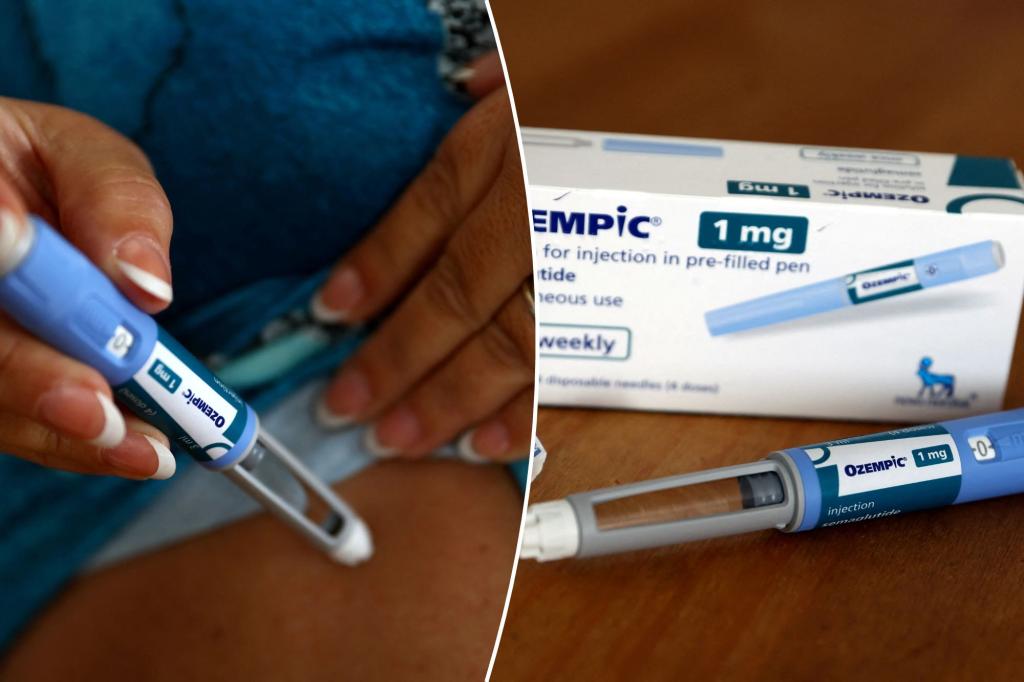
Poison control centers in the United States have seen a 1,500% increase in calls related to overdoses of semaglutide drugs like Ozempic, primarily due to dosage errors. The popularity of semaglutide, used for diabetes and weight loss, has led to overwhelming demand, prompting the FDA to allow compounding pharmacies to produce the drug. However, compounded versions often come in glass vials with multiple doses, increasing the risk of confusion and accidental overdoses. Manufacturers like Novo Nordisk, the maker of Ozempic, have taken steps to ensure patient safety, but the FDA has sent warning letters to online sellers and legal action has been taken against unauthorized sellers.

Novo Nordisk Files Lawsuits Against Pharmacies for Selling Tainted Knockoff Drugs
pharmaceuticals2 years ago

Novo Nordisk Files Lawsuits Against Pharmacies for Selling Tainted Knockoff Drugs

Novo Nordisk has filed lawsuits against two compounding pharmacies in Florida, accusing them of selling impure and potentially unsafe knockoff versions of its weight loss drug Wegovy and diabetes medication Ozempic. The Danish drugmaker found that the products from Wells Pharmacy Network and Brooksville Pharmaceuticals contained unknown and unauthorized substances, posing safety risks to consumers. Novo Nordisk is seeking to bar the pharmacies from selling their products and has filed a total of 12 legal actions against compounding pharmacies allegedly selling dupes of Wegovy and Ozempic. Rival Eli Lilly has taken similar action against businesses selling knockoffs of its diabetes drug Mounjaro.

Novo Nordisk Files Lawsuit Against Florida Pharmacies for Selling Impure Wegovy and Ozempic Knock-Offs
pharmaceuticals2 years ago

Novo Nordisk Files Lawsuit Against Florida Pharmacies for Selling Impure Wegovy and Ozempic Knock-Offs

Novo Nordisk has filed a lawsuit against two compounding pharmacies in Florida, Wells Pharmacy and Brooksville Pharmaceuticals, after finding impurities in their products claiming to contain the active ingredient for its weight-loss drug Wegovy. The impurities were found to be as much as 33% in some samples, and the compounded versions of Wegovy from Brooksville were also shown to be less potent than advertised. Novo Nordisk aims to prevent the pharmacies from selling products claiming to contain semaglutide, the main ingredient in Wegovy, and to stop Wells Pharmacy from making false claims about FDA approval and the health benefits of BPC-157. Novo Nordisk has already filed multiple lawsuits against other establishments offering products claiming to contain semaglutide.