
The 'Daughter Tax': Why Eldest Daughters Bear the Burden of Family Caregiving
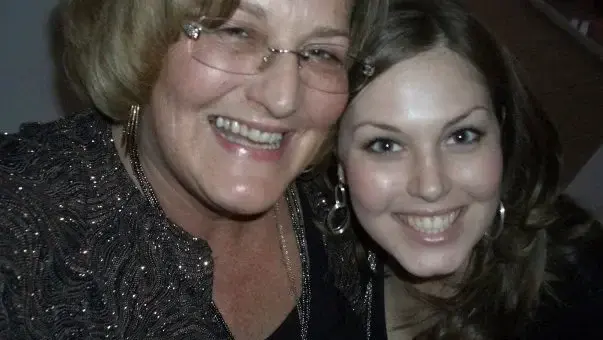
Research indicates that daughters, particularly the eldest, disproportionately assume the role of primary family caregivers. This phenomenon, termed the 'daughter tax,' involves a significant imbalance in hands-on and emotional labor compared to sons. The burden often begins with small tasks and escalates into full-time management of a parent's medical and financial affairs, a process experts call 'caregiver creep.' This shift frequently leads to feelings of guilt and resentment among siblings, as daughters navigate complex family dynamics without always having chosen the role.
Key points
- Analysis from Waterlily shows daughters are nearly twice as likely as sons to provide hands-on care for aging parents.
- A Bay Alarm Medical survey of over 1,000 caregivers found that nearly half feel resentment toward siblings due to an unfair distribution of caregiving duties.
- Eldest daughters are often the default choice for managing estates, organizing funerals, and handling post-death paperwork, even while grieving.
- Gerontologist April Ibarra describes 'caregiver creep,' where minor tasks like grocery runs evolve into full-time responsibility, often spiraling if the primary caregiver does not ask for help.
- Caregivers frequently experience a cycle of guilt, feeling responsible for their parent's well-being while their parent feels guilty for the burden placed on them.
Background
Recent discussions on worker protections, such as Oxfam’s 2026 Best States to Work Index, have highlighted the growing importance of paid family leave and caregiving protections in the U.S. This legislative focus underscores the societal recognition of the economic and emotional costs of caregiving, which disproportionately affect women. While previous archive items touched on family dynamics in different contexts, such as custody battles or personal tributes, the current focus is on the systemic gender imbalance in unpaid family labor.
Why it matters
The concentration of caregiving duties on daughters creates significant financial and emotional strain, often leading to burnout and strained sibling relationships. Understanding this imbalance is crucial for developing better family support systems and advocating for policies that recognize and compensate unpaid care work. It also highlights the need for open communication within families to prevent the 'caregiver creep' that can isolate the primary caregiver.
What to watch
Experts like April Ibarra are urging caregivers to proactively ask for help and plan ahead to prevent the accumulation of responsibilities. There is a growing call for families to share caregiving duties more equitably and for society to recognize the value of this unpaid labor. Future research may focus on interventions to mitigate the 'daughter tax' and support mental health for those in these roles.
Want the full story? Read the original reporting
Read on USA Today