
HHS Bypasses FDA Safety Checks to Legalize Six Unproven Peptides
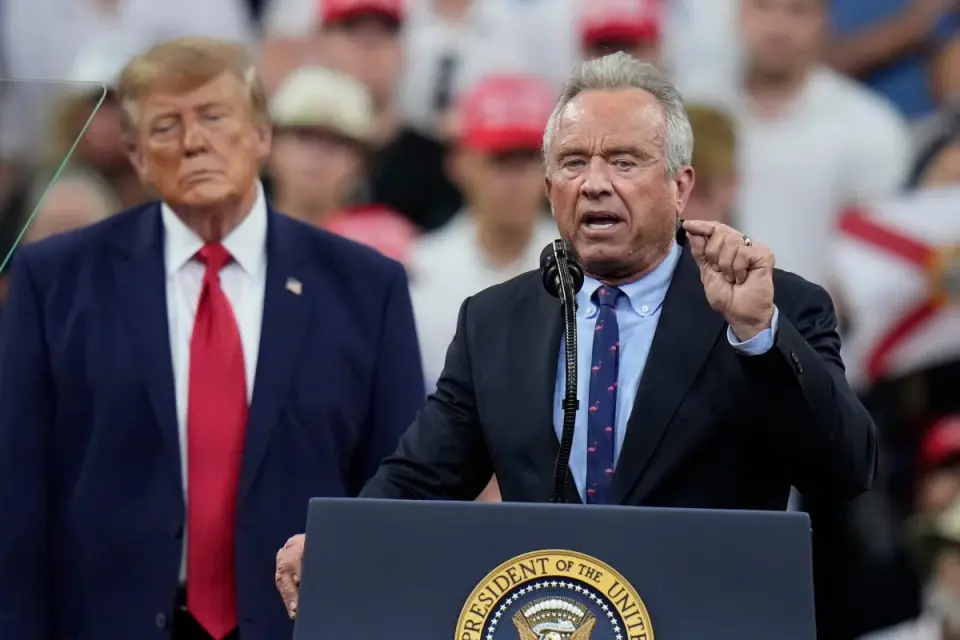
The Department of Health and Human Services (HHS) has issued an 'enforcement discretion' policy allowing compounding pharmacies to produce six unapproved peptides, including BPC-157 and TB-500, despite significant opposition from Food and Drug Administration (FDA) scientists. The move, championed by Health Secretary Robert F. Kennedy Jr., bypasses the standard regulatory process for adding substances to the bulk drug list. While HHS argues this reduces reliance on unsafe gray-market imports, FDA staff warned that the substances lack clinical data for safety and efficacy. The policy includes limited safeguards, such as requiring ingredient sourcing from FDA-registered facilities and side-effect reporting, but critics argue it undermines the agency’s core mission of protecting public health.
Key points
- HHS announced it will not enforce rules against compounding pharmacies producing six specific peptides: BPC-157, epitalon, KPV, MOTS-c, semax, and TB-500.
- FDA scientific staff opposed the policy, citing insufficient data to prove the safety or effectiveness of these substances, which are currently considered illegal drugs for human use.
- The policy represents a shift from HHS’s initial plan to create a formal regulation, instead using 'enforcement discretion' to avoid direct conflict with FDA scientific consensus.
- New safety measures require compounding pharmacies to source ingredients from FDA-registered facilities and report side effects, though these do not constitute full clinical approval.
- The move follows a July FDA advisory panel vote that recommended adding these peptides to the bulk drug list, a panel that included members with ties to the peptide industry.
Background
This development follows months of tension between HHS and FDA over the regulation of experimental wellness products. In July 2026, an FDA advisory panel narrowly voted to recommend allowing compounding of these peptides, despite concerns from some members about the precedent it sets. Prior to this, the FDA had added several of these substances to a list of drugs that should not be compounded due to risks of allergic reactions, kidney damage, and tumor growth. The current policy is part of the broader 'Make America Healthy Again' agenda, which seeks to reduce barriers to experimental treatments, though it has drawn criticism for bypassing standard safety protocols.
How outlets are covering it
AP News highlights that most FDA scientific staff opposed the policy, noting that they had limited input in its drafting and warned it could undermine the agency’s mission. They emphasize that the final document was a compromise, incorporating some safety guardrails suggested by FDA officials. NBC News frames the move as a 'shortcut' that allows immediate access to unproven drugs, quoting former FDA official Peter Lurie as saying the agency is 'turning a blind eye.' NBC also notes the presence of industry-tied members on the July advisory panel. STAT News focuses on the policy’s alignment with the 'Make America Healthy Again' movement and the temporary nature of the enforcement discretion, while noting the FDA is still weighing a formal rule change. All sources agree that the peptides lack clinical trial data, but they differ in emphasis: AP focuses on internal agency conflict, NBC on the regulatory shortcut, and STAT on the broader political context.
Why it matters
This policy shifts the regulatory landscape for experimental drugs in the United States, potentially normalizing the use of unproven substances in mainstream healthcare. It tests the boundaries of HHS’s authority over FDA decisions and sets a precedent for how other unapproved therapies might be handled. For consumers, it means increased access to peptides previously available only through the gray market, but without the safety assurances of traditional drug approval. For the pharmaceutical industry, it could complicate the development of new drugs if unapproved alternatives become widely available.
What to watch
The FDA is expected to continue its review of the formal rule change for adding these peptides to the bulk drug list, a process that could take several months. HHS has indicated that the current enforcement discretion is temporary while the formal rule is developed. Industry groups, including the Alliance for Pharmacy Compounding, have met with White House officials to discuss the proposal. The outcome of the formal rule will determine whether these peptides remain accessible through compounding pharmacies or if stricter regulations are imposed.
- FDA scientists opposed the Trump administration’s effort to ease peptides access AP News
- US health department to allow temporary sale of some unapproved peptides Reuters
- RFK Jr. takes shortcut to make some peptides more widely available NBC News
- HHS moves to allow compounding of some unapproved peptides STAT
- Fact vs. fiction: Doctors share whether peptides are safe and effective CNBC
Want the full story? Read the original reporting
Read on AP News