
FDA closes cyclospora probe, finds parasite in Mexican farm wastewater and drainage
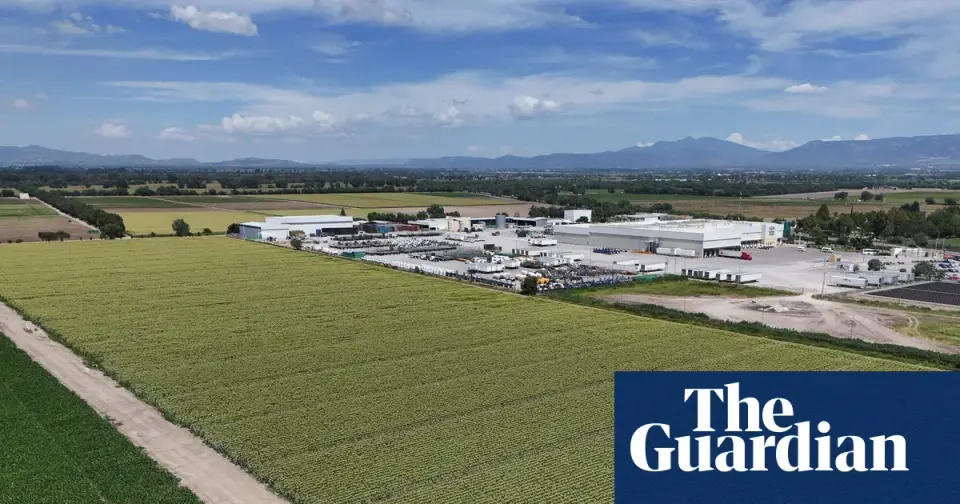
The FDA concluded its investigation into the largest US cyclosporiasis outbreak, confirming the parasite was present at the Taylor Farms facility in Guanajuato, Mexico. Inspectors found cyclospora in a wastewater tank and a drainage ditch, though the agency could not determine how the lettuce became contaminated. The outbreak sickened nearly 13,000 people across 21 states, resulting in 570 hospitalizations and two deaths. Taylor Farms blamed an independent grower no longer in its supplier program, while Mexico’s food safety authority previously reported no contamination at the site.
Key points
- FDA inspectors detected cyclospora in a wastewater tank and a drainage ditch at the Taylor Farms de Mexico facility in Guanajuato.
- The agency stated it could not determine how the lettuce became infected, despite finding 'strong epidemiological data' linking the outbreak to the site.
- The outbreak infected nearly 13,000 people across 21 states, leading to 570 hospitalizations and two deaths in Michigan.
- Taylor Farms attributed the contamination to an independent grower who is no longer part of its supplier program and stated its facility remains closed for safety protocol implementation.
- Mexico’s food safety authority previously reported that cyclospora was not detected in lettuce or water at the facility, contradicting the FDA’s findings.
Background
This development follows the CDC’s declaration in September 2026 that the multi-state outbreak was over. Earlier in August, the outbreak had expanded to 20 states, sickening over 11,400 people. The current FDA findings provide the first physical evidence of the parasite at the implicated Mexican farm since the initial recall of shredded iceberg lettuce in July 2026.
How outlets are covering it
The FDA and ABC News emphasized the positive test results from environmental samples as conclusive evidence linking the outbreak to Taylor Farms, despite the lack of a clear contamination mechanism. The Washington Post highlighted the agency’s inability to determine how the contamination occurred, noting the closure of the investigation. Taylor Farms, in contrast, shifted blame to an independent grower and argued that the positive samples came from waste water outside their processing facility, not the lettuce itself. Mexico’s food safety authority had previously disputed the presence of the parasite at the site, creating a discrepancy between US and Mexican regulatory findings.
Why it matters
The FDA’s findings mark the first time inspectors have visited the Taylor Farms site in over seven years, highlighting gaps in international food safety inspections post-pandemic. The resolution of the largest cyclosporiasis outbreak in US history provides critical data for future food safety protocols, though the conflicting results from Mexican regulators raise questions about cross-border inspection consistency. The closure of the investigation and the removal of the implicated supplier from Taylor Farms’ program aim to restore consumer confidence in imported produce.
What to watch
Taylor Farms is implementing enhanced safety protocols at its closed Mexican facility. Health officials have confirmed that all recalled lettuce is off the market. The FDA has closed its investigation, but ongoing genotyping of clinical specimens may still provide insights into the specific strain of cyclospora involved. No further action is expected from the FDA regarding this specific outbreak, but the findings may influence future inspection schedules for international food suppliers.
- Cyclospora found at Mexican farm linked to lettuce outbreak, FDA says The Guardian
- FDA finds potential source of cyclosporiasis outbreak linked to lettuce ABC News - Breaking News, Latest News and Videos
- F.D.A. Found Cyclospora During Taylor Farms Inspection in Mexico nytimes.com
- US FDA closes cyclospora lettuce parasite probe, finds strong link to Taylor Farms Mexico Reuters
- FDA found cyclospora at Taylor Farms Mexico site and where lettuce was grown The Washington Post
Want the full story? Read the original reporting
Read on The Guardian