
FDA Escalates Frozen Blueberry Recall to Class I Amid E. coli Outbreak
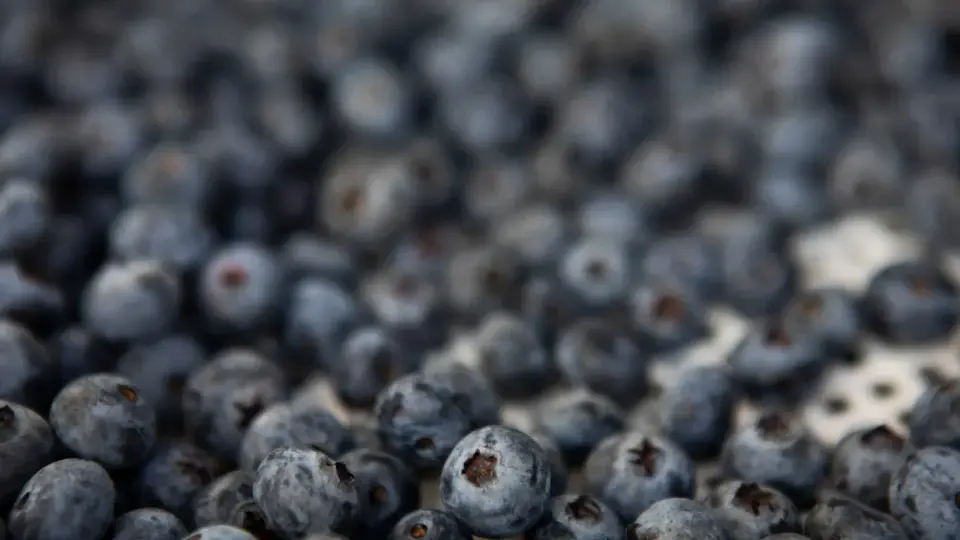
The FDA upgraded a recall of GreenWise frozen berries to Class I, its highest risk level, citing a reasonable probability of serious harm or death from E. coli contamination. The affected products were sold at Publix stores in eight states, following an initial voluntary recall in July that expanded as surveillance narrowed.
Key points
- The FDA designated the GreenWise Organic Whole Blueberries and Mixed Berries as a Class I recall, indicating a high risk of severe health consequences.
- The contaminated products were distributed to Publix locations in North Carolina, Alabama, Florida, Georgia, Kentucky, South Carolina, Tennessee, and Virginia.
- Initial reports indicated 12 illnesses and four hospitalizations linked to the berries, with the recall expanding from a single batch to all lots in July.
- The FDA’s risk assessment concluded that the contamination posed a 'reasonable probability' of causing serious adverse health effects or death.
- The recall occurred amidst a broader trend of food safety issues, including recent recalls for eggs, tomato soup, and alfalfa sprouts.
Background
This escalation follows a pattern of increasing food safety alerts in 2026, including a Class I recall for eggs in August due to salmonella concerns. The FDA’s Foodborne Diseases Active Surveillance Network (FoodNet) has been narrowed under Health Secretary Robert Kennedy to focus on salmonella and Shiga toxin-producing E. coli, a move criticized by former surgeon general Jerome Adams for reducing the breadth of pathogen tracking. The current blueberry incident highlights how surveillance narrowing can lead to delayed but more severe risk classifications as the agency completes its assessments.
How outlets are covering it
Axios emphasizes the procedural aspect of the recall, noting that the Class I designation came after the FDA completed a wider risk assessment, even though retailers had already pulled the products. The Washington Post focuses on the immediate health risks, detailing the symptoms of E. coli contamination and the specific products affected. The Charlotte Observer highlights the regional impact in North Carolina and provides specific UPC codes for consumers to identify affected items, while also noting the broader context of summer E. coli cases. All three sources agree on the severity of the recall but differ in their focus: Axios on the regulatory process, the Post on the health implications, and the Observer on consumer identification and local impact.
Why it matters
The Class I recall signals a significant public health threat, as it is the FDA’s highest risk category. Consumers who purchased the affected GreenWise products should discard them and monitor for symptoms of E. coli infection, such as stomach cramps, diarrhea, and vomiting. The incident underscores the importance of food safety surveillance and the potential consequences of narrowing the scope of disease tracking networks.
What to watch
The FDA will continue to monitor the situation and may issue further updates as the investigation progresses. Consumers are advised to check their freezers for the affected products and discard them if found. Health officials will likely provide additional guidance on E. coli prevention and treatment as the summer season continues, with cases of E. coli and cyclosporiasis typically rising during warmer months.
- Here's why the FDA hit frozen blueberries with its highest risk warning Axios
- Blueberry recall in 8 states upgraded to FDA's highest health risk level 13newsnow.com
- Recalled Blueberries, Jalapenos, Lettuce: What to Know U.S. News & World Report
- FDA upgrades recall of frozen berries to highest-risk warning The Washington Post
- FDA upgrades recall on fruit linked to stomach illness at NC Publix stores Charlotte Observer
Want the full story? Read the original reporting
Read on Axios