
FDA Mandates Class-Wide Eye Warning for GLP-1 Drugs Citing Rare NAION Risk
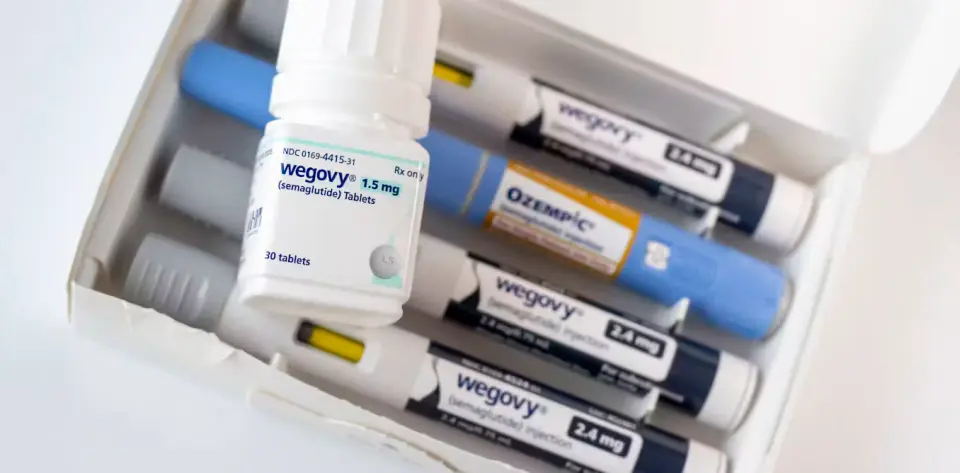
The U.S. Food and Drug Administration (FDA) has required manufacturers of all GLP-1 receptor agonists, including Ozempic, Wegovy, Mounjaro, and Zepbound, to add warnings about a rare eye condition called non-arteritic anterior ischemic optic neuropathy (NAION). This condition, often described as an 'eye stroke,' can cause sudden, painless vision loss or permanent blindness. The decision follows a review of 126 clinical trials involving over 134,000 patients, which found a higher incidence of NAION among GLP-1 users compared to placebo groups. While the FDA notes that a direct causal mechanism has not been established, the agency determined that the potential increased risk warrants a class-wide labeling update. Manufacturers, including Novo Nordisk and Eli Lilly, have stated that the data do not prove a cause-and-effect relationship and that the overall risk remains low. Medical experts advise patients not to stop their medication but to seek immediate ophthalmological care if they experience sudden vision changes.
Key points
- FDA requires all GLP-1 drugs to add warnings about NAION, a rare condition causing sudden vision loss.
- Data from 126 trials showed 6.4 NAION cases per 100,000 patients on GLP-1s vs. 3.8 on placebos.
- Novo Nordisk and Eli Lilly dispute a causal link, citing the rarity of the side effect.
- European regulators previously flagged NAION risks specifically for semaglutide in 2025.
- Experts advise patients to continue treatment but seek immediate care for vision changes.
Background
This development follows earlier coverage of the FDA's mandate for class-wide warnings on GLP-1 drugs regarding NAION. Previous reports highlighted that while the absolute risk is low, the FDA determined the potential increased risk warranted labeling updates. The current news confirms the implementation of these warnings across all GLP-1 medications, not just specific brands. Additionally, a recent Rutgers study quantified the rare vision risk, estimating three to four additional cases per 10,000 patients over 18 months, amidst legal backlash alleging manufacturers failed to warn patients.
How outlets are covering it
The FDA and The Conversation emphasize the statistical association between GLP-1 drugs and NAION, citing data from 126 trials and real-world studies. They note that while the risk is rare, it is significant enough to warrant a warning label. In contrast, Novo Nordisk and Eli Lilly, as reported by CNN and CNBC, dispute a direct cause-and-effect relationship, arguing that the data do not establish causality and that the benefits of the drugs outweigh the risks. Citi analysts, cited by CNN and CNBC, suggest that the warning is unlikely to significantly impact prescribing practices due to the rarity of NAION and the substantial benefits of GLP-1 drugs. The Conversation also notes that the risk is not specific to any one GLP-1 drug, while European regulators previously focused only on semaglutide.
Why it matters
The FDA's decision to mandate class-wide warnings for GLP-1 drugs highlights the importance of monitoring rare but serious side effects in widely used medications. For the 30 million people in the U.S. taking these drugs for diabetes, obesity, or cardiovascular risk, understanding the potential for NAION is crucial. While the risk is low, the condition can lead to permanent vision loss, making patient education and early detection essential. The disagreement between regulators and manufacturers over causality underscores the complexity of interpreting observational data in large-scale drug safety assessments. This case also illustrates the ongoing balance between the substantial benefits of GLP-1 drugs and the need for transparent communication about potential risks.
What to watch
Manufacturers of GLP-1 drugs, including Novo Nordisk and Eli Lilly, will update their labeling to include the FDA's warning about NAION. Patients are advised to discuss the risk with their healthcare providers and seek immediate ophthalmological care if they experience sudden vision changes. Further research may be needed to determine if specific GLP-1 drugs carry a higher risk than others, as current data do not differentiate between them. The FDA may continue to monitor real-world safety data to assess the long-term impact of GLP-1 drugs on NAION incidence. Additionally, the legal landscape may evolve as lawsuits alleging failure to warn about this side effect proceed.
- GLP-1 drugs carry risk of rare but serious eye condition – a physician studying these medicines explains the potential side effect The Conversation
- US FDA orders new eye risk warnings for Ozempic, Zepbound CNN
- FDA Issues New Warning For GLP-1 Drugs Over Rare Eye Condition—Here’s What To Know Forbes
- FDA warns of vision loss risk linked to popular GLP-1 drugs like Wegovy, Zepbound CNBC
- Connecticut doctors explain what the new GLP-1 eye warning means CT Insider
Want the full story? Read the original reporting
Read on The Conversation