
FDA Mandates Class-Wide Labeling for GLP-1 Drugs Citing Rare Eye Condition
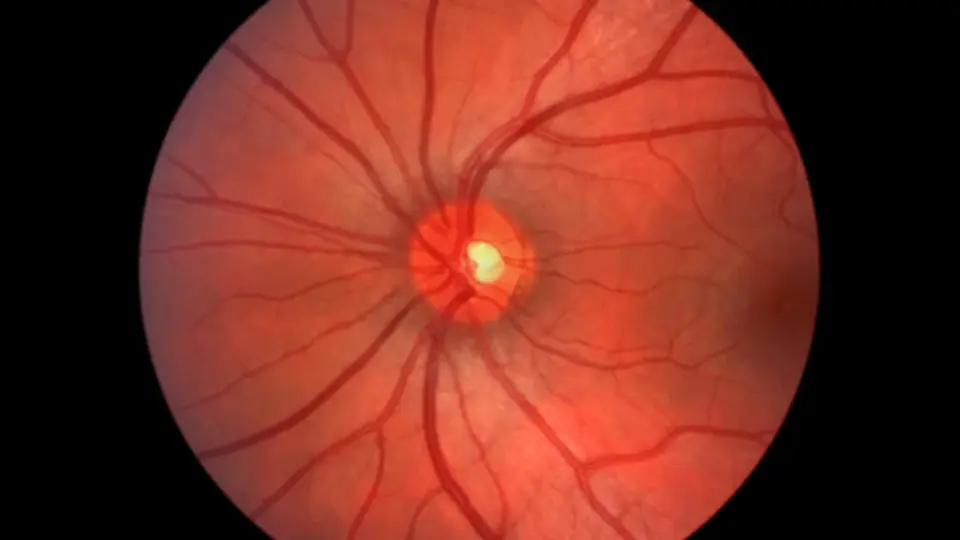
The U.S. Food and Drug Administration (FDA) has required manufacturers of all glucagon-like peptide-1 (GLP-1) receptor agonists to update their labeling to include a warning about non-arteritic anterior ischemic optic neuropathy (NAION). This rare eye condition, sometimes called an 'eye stroke,' can cause sudden vision loss or blindness. The decision follows a review of clinical trials and real-world data showing a slightly higher incidence of NAION among GLP-1 users compared to placebo groups, though the FDA notes that a direct causal mechanism has not been established. The affected drugs include popular weight-loss and diabetes medications such as Novo Nordisk’s Ozempic and Wegovy, and Eli Lilly’s Mounjaro and Zepbound. While the condition is rare, the FDA emphasizes that patients should report symptoms like blurred vision or color distortion immediately. Analysts suggest the update is unlikely to significantly impact the widespread adoption of these drugs, given their substantial benefits for weight loss and metabolic health.
Key points
- The FDA issued a class-wide labeling requirement for all approved GLP-1 drugs, including 12 specific products, to warn of potential NAION risk.
- NAION is a rare condition caused by reduced blood flow to the optic nerve, leading to sudden vision loss; there are currently no proven treatments.
- An FDA analysis of 126 clinical trials involving over 134,000 patients found a NAION incidence rate of 6.4 per 100,000 patient-years for GLP-1 users, compared to 3.8 for comparators.
- The FDA found no clear biological mechanism linking GLP-1s to NAION in animal studies, and real-world data showed mixed results depending on the comparator drug class.
- Financial analysts from Citi and BMO predict the warning will have limited impact on prescription rates due to the rarity of the condition and the drugs' strong clinical benefits.
- The labeling update affects major brands including Ozempic, Wegovy, Mounjaro, Zepbound, and Foundayo, with manufacturers required to inform patients and doctors of the risk.
Background
This regulatory action follows a 2024 study published in JAMA Ophthalmology that linked semaglutide to a higher risk of NAION, prompting the FDA to initiate a formal review. Earlier in 2026, a Rutgers University study published in the Annals of Internal Medicine also quantified a slightly increased risk of ischemic optic neuropathy for GLP-1 users, contributing to ongoing litigation against manufacturers like Novo Nordisk. The current FDA decision formalizes these safety signals into a mandatory labeling requirement, building on previous warnings about thyroid tumors associated with these medications.
How outlets are covering it
STAT and AP News emphasize the FDA’s mandate for a class-wide labeling update, highlighting the lack of a proven causal mechanism and the rarity of the condition. CNBC and BioSpace provide deeper analysis of the clinical data, noting that while GLP-1 users showed higher NAION rates than placebo groups, the risk was not consistently elevated compared to other diabetes medications like SGLT-2 inhibitors. Financial perspectives from Citi and BMO, cited by CNBC and BioSpace, argue that the warning is unlikely to disrupt the market dominance of GLP-1 drugs, as the benefits for weight loss and metabolic health outweigh the low absolute risk of NAION. Novo Nordisk and Eli Lilly have not publicly disputed the FDA’s findings but maintain that the data does not prove a direct causal link, focusing instead on the overall safety profile of their products.
Why it matters
The FDA’s decision to mandate a class-wide warning for GLP-1 drugs represents a significant regulatory milestone for the booming obesity and diabetes treatment market. While the condition is rare, the update may influence patient confidence and prescribing practices, particularly among individuals with pre-existing risk factors for eye conditions. The move also underscores the FDA’s ongoing scrutiny of widely used medications, balancing the substantial benefits of GLP-1s with emerging safety signals. For manufacturers, the labeling update is a formalization of previously recognized safety concerns, but it does not restrict the approved indications for these drugs, which continue to generate billions in annual revenue.
What to watch
Manufacturers of GLP-1 drugs, including Novo Nordisk and Eli Lilly, must update their product labeling to include the NAION warning as required by the FDA. Patients currently taking these medications should be informed of the potential risk and advised to seek immediate medical attention if they experience symptoms such as blurred vision, blind spots, or color distortion. The FDA will continue to monitor adverse event reports through its electronic reporting system to assess the long-term safety profile of GLP-1s. Financial markets may see short-term fluctuations in investor sentiment, but analysts expect the overall market for GLP-1 drugs to remain stable due to the drugs' strong clinical benefits and low absolute risk of NAION.
- FDA warns GLP-1 drugs carry potential risk of rare eye condition STAT
- FDA warns of vision loss risk linked to popular GLP-1 drugs like Wegovy, Zepbound CNBC
- U.S. Regulators Warn GLP-1 Drugs Carry Possible Rare Blindness Risk WSJ
- FDA adds rare vision-loss warning to popular GLP-1 drugs AP News
- FDA orders class-wide GLP-1 label update to include potential risk for rare eye disease BioSpace
Want the full story? Read the original reporting
Read on STAT