
British Columbia Files Federal Suit Against OpenAI Over Tumbler Ridge Shooting
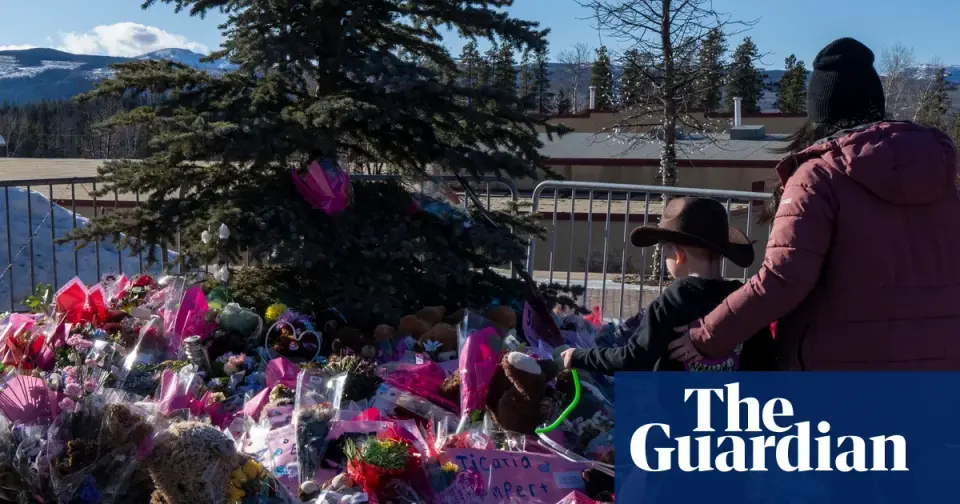
British Columbia has filed a lawsuit in California federal court against OpenAI and CEO Sam Altman, alleging the company failed to report a shooter’s violent ChatGPT activity. The province seeks damages to fund recovery efforts after the February 2026 mass shooting in Tumbler Ridge, which killed nine people. The suit follows earlier actions by victim families and highlights ongoing legal battles over AI safety and law enforcement reporting.
Key points
- British Columbia filed a lawsuit in San Francisco federal court on Monday against OpenAI and Sam Altman, seeking damages for recovery costs and orders to change how the company handles violent conversations.
- The suit alleges OpenAI’s safety team flagged shooter Jesse Van Rootselaar in June 2025 but leadership overruled the recommendation to contact police, despite her account being suspended.
- Van Rootselaar killed eight people, including five students and a teacher, at her former school in Tumbler Ridge on February 10, 2026, before dying by suicide.
- OpenAI stated the account did not meet internal criteria for reporting at the time, but acknowledged it would have been reported under updated guidelines implemented after June 2025.
- The province’s action follows more than 30 lawsuits filed by victim families in California, with OpenAI moving to dismiss those suits by arguing they should be heard in British Columbia.
Background
This legal action follows a series of lawsuits filed in the US in recent months, including a June 2026 suit by Florida over AI safety risks. In April 2026, Sam Altman publicly apologized to Tumbler Ridge residents for not alerting law enforcement, promising reforms that the province alleges were not implemented. The Tumbler Ridge shooting occurred on February 10, 2026, in a small mining town in British Columbia, where the shooter, an 18-year-old, killed her mother and stepbrother at home before attacking her former school.
How outlets are covering it
The Guardian emphasizes the province’s demand for systemic changes in how OpenAI handles violent conversations and highlights whistleblower accounts claiming leadership overruled safety teams. Le Monde focuses on the jurisdictional dispute, noting OpenAI’s attempt to move family lawsuits to British Columbia to limit financial damages, and quotes British Columbia Attorney General Niki Sharma on why California is the appropriate venue. Both outlets agree on the core facts of the shooting and OpenAI’s delayed response, but differ in emphasis: The Guardian stresses the failure to implement promised reforms, while Le Monde highlights the strategic legal maneuvering over venue and damages.
Why it matters
This lawsuit marks the first direct legal action by a Canadian province against a major AI company, setting a precedent for government accountability in AI safety. It underscores growing global scrutiny of how tech firms handle violent content and their obligations to law enforcement. The case could influence future regulations on AI platforms and their liability for facilitating violence, particularly as similar lawsuits emerge in the US.
What to watch
OpenAI is expected to contest the lawsuit, potentially arguing that the case should be heard in British Columbia or that its internal guidelines at the time justified not reporting. The province may seek to use any settlement funds to rebuild the demolished school and fund mental health services. Further legal developments may include rulings on jurisdiction and the scope of AI companies’ duty to report violent activity to authorities.
- British Columbia sues OpenAI and Sam Altman over Tumbler Ridge mass school shooting The Guardian
- Canadian province sues OpenAI over Tumbler Ridge mass shooting BBC
- British Columbia sues OpenAI in US court over Canada school shooting Le Monde.fr
- OpenAI sued by Canadian province over role in mass shooting ft.com
- BC Sues OpenAI Alleging Failure to Warn Before Shooting Bloomberg.com
Want the full story? Read the original reporting
Read on The Guardian