
Federal Case Tests Privacy Rights as Man Charged for Wiping Phone at Border
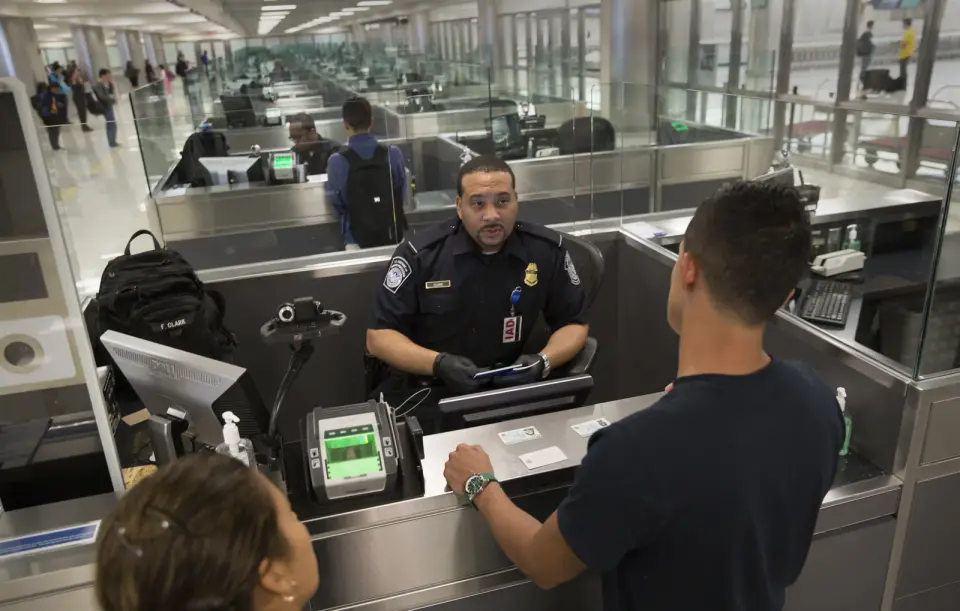
US prosecutors have charged Atlanta resident Sam Tunick with destroying property to prevent seizure, alleging he used a 'duress password' on his GrapheneOS phone to wipe its data during an airport interrogation. The case, stemming from a January 2025 stop at Hartsfield-Jackson, highlights tensions between digital privacy tools and federal border search powers. Tunick’s defense argues the detention was unlawful and a pretext for investigating his ties to the Cop City protest movement, while the government maintains the inspection was routine. Experts note this may be the first time a federal statute targeting property destruction has been applied to a privacy-focused operating system, raising concerns about the criminalization of security features.
Key points
- Sam Tunick was charged under a federal statute prohibiting the destruction of property to prevent seizure, allegedly using a GrapheneOS duress password to wipe his phone at Atlanta’s airport in January 2025.
- Tunick’s defense argues the interrogation was a pretext for investigating his connections to the Cop City movement, citing violations of his rights, including denied access to a lawyer and lack of a warrant.
- The government contends the search was a routine border inspection and that a warrant was not required for entry into the US.
- Experts, including those from the Electronic Frontier Foundation, describe the case as unusual, noting it may be the first time such a law has been applied to a privacy operating system.
- The case is linked to the broader opposition against the $109 million Cop City police training facility, with previous state-level prosecutions failing and federal authorities stepping in recently.
Background
This case follows earlier federal efforts to prosecute individuals associated with the Cop City movement, a $109 million police training facility in Atlanta that opened last spring. Previous state-level attempts to charge protesters have failed, but federal authorities have recently intensified their approach, including a separate indictment announced last month. The incident also occurs amid ongoing debates about digital privacy at US borders, where authorities have broader search powers, and international comparisons, such as profiling of Pixel phone users in Spain and France, have been cited by experts.
How outlets are covering it
TechSpot and The Guardian emphasize the unprecedented nature of the case, highlighting concerns from cybersecurity experts like Christophe Boutry and Bill Buddington that the prosecution could criminalize privacy tools like GrapheneOS. They note the defense’s argument that the interrogation was a pretext for investigating Tunick’s ties to the Cop City movement, with questions about child sexual abuse material used as a cover. SC Media focuses on the technical aspect, describing the use of a 'duress password' as a rare legal precedent, while The Verge frames the case as a clash between digital privacy and border enforcement, noting the government’s claim that a warrant was not required for entry. All sources agree on the core facts but differ in emphasis: TechSpot and The Guardian stress the privacy implications and constitutional questions, while SC Media and The Verge focus more on the technical and legal mechanics of the case.
Why it matters
The case sets a potential precedent for how federal authorities treat privacy-focused technology, such as GrapheneOS, in border searches. If the prosecution succeeds, it could signal that using security features to protect data may be interpreted as evidence of criminal intent, potentially chilling the use of privacy tools. The outcome will also clarify the scope of constitutional rights at US borders, particularly regarding warrantless searches and the admissibility of evidence obtained during such inspections. Given the broader context of federal efforts to prosecute Cop City protesters, the case could influence future legal strategies against activists and the balance between digital privacy and law enforcement powers.
What to watch
A judge is expected to rule on Tunick’s motion to suppress evidence by late October or later this year. The decision will determine whether the evidence obtained during the airport interrogation, including the phone wipe, can be used in the prosecution. The case may also prompt further legal debates about the application of federal property destruction statutes to digital devices and the limits of border search powers.
- US prosecutors charge Atlanta man after GrapheneOS phone wipes itself during airport search TechSpot
- US government targets Cop City protester over phone operating system The Guardian
- Man charged for using phone’s ‘duress’ password to wipe data SC Media
- The US is charging an American citizen for wiping his phone at the border The Verge
- Google Pixel User Ends Up in Court Over This Feature Tech Advisor
Want the full story? Read the original reporting
Read on TechSpot