
Asian Tech Stocks Rebound as Nvidia Crisis Eases, but Hawkish Fed Fears Lift Yields
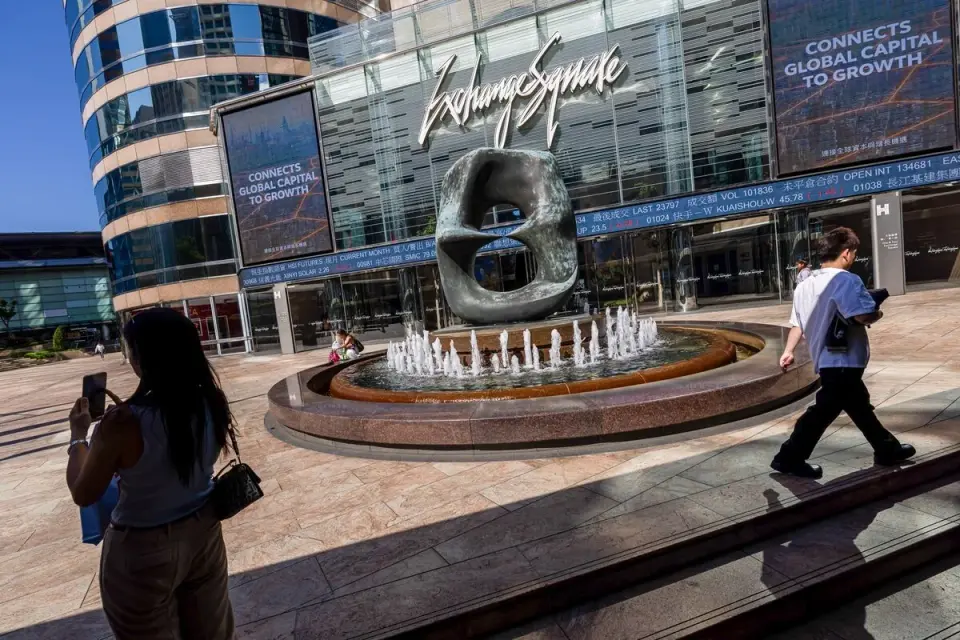
Asian equity markets recovered on Friday as investors regained confidence in the artificial intelligence sector following the resignation of Nvidia CEO Jensen Huang. While regional tech giants rallied, US Treasury yields climbed to multi-week highs, reflecting growing fears that the Federal Reserve may implement aggressive interest rate hikes. The dollar strengthened significantly, while oil prices remained stable after recent geopolitical tensions.
Key points
- Jensen Huang resigned from Nvidia on Thursday after reports of extramarital affairs, including one involving a suspected Chinese spy, triggering a crisis in the AI sector.
- The MSCI Asia Pacific Index rose 1% on Friday, led by gains in South Korea and Taiwan, as shares in Samsung, SK Hynix, and TSMC advanced.
- US 2-year Treasury yields hit a one-month high of 4.89%, while the 10-year yield reached a three-week high of 5.14%, boosting the dollar.
- Investors now see a 14.5% chance of a 50-basis-point Federal Reserve rate hike in December, up from zero a week ago.
- Nvidia shares fell 3% in extended trading, while competitors like AMD and Broadcom were seen as potential beneficiaries of the uncertainty.
- Brent crude and US crude oil fell more than 0.3% to $95.45 and $88.39 per barrel, respectively, after previous spikes due to Saudi infrastructure attacks.
Background
This development follows a volatile week where US markets initially rallied after Democratic midterm victories, only to plunge as fears of stricter AI regulations emerged. Nvidia had already lost $192 billion in value on Monday amid a board investigation into Huang. The current recovery in Asian tech stocks suggests the market is digesting the leadership change, though concerns about AI infrastructure funding and US chip export policies persist.
How outlets are covering it
Bloomberg emphasizes the broad recovery in Asian tech stocks and the easing of fears regarding the AI trade, noting that US equity futures climbed after Thursday's declines. Yahoo Finance, however, highlights the tension between this equity recovery and the hawkish shift in bond markets, pointing out that rising yields and a stronger dollar could offset gains in tech. While Bloomberg focuses on the immediate rebound in Samsung and TSMC, Yahoo details the potential long-term impact of Huang's resignation on US-China chip policies and the possibility of a 50-basis-point Fed hike, which Bloomberg does not mention. Both sources agree that the market is stabilizing, but Yahoo places greater weight on the macroeconomic risks posed by inflation and monetary policy.
Why it matters
The resignation of a key AI figure like Jensen Huang could reshape the global semiconductor supply chain and US-China trade dynamics. Simultaneously, the shift in Federal Reserve expectations toward potential rate hikes could tighten financial conditions globally, impacting both tech valuations and currency markets. The divergence between equity recovery and bond market hawkishness signals a complex economic environment where investors must balance growth prospects with inflation risks.
What to watch
Watch for the Federal Reserve's December meeting, where a 50-basis-point hike is now a possibility. Monitor Nvidia's leadership transition and its impact on AI infrastructure deals. Keep an eye on the US dollar and yen, as the yen approaches the 160 level, potentially triggering intervention. Also, track oil prices for any further volatility due to geopolitical tensions in the Middle East.
- Asian Stocks Set for Cautious Open on Nvidia, Oil: Markets Wrap Bloomberg.com
- Stock Market News, Nov. 12, 2026: Chip Giant’s Stock Falls 4% After Jensen Huang Exit WSJ
- Stocks recover from Nvidia whiplash, dollar climbs with US yields Yahoo Finance
- Nvidia's stock falls after CEO Jensen Huang’s resignation — live updates MarketWatch
- Equities close lower as Nvidia drop outweighs energy gains Reuters
Want the full story? Read the original reporting
Read on Bloomberg.com