
Treasury Yields Retreat as Buyers Return to Market Amid Fed Rate Hike Doubts
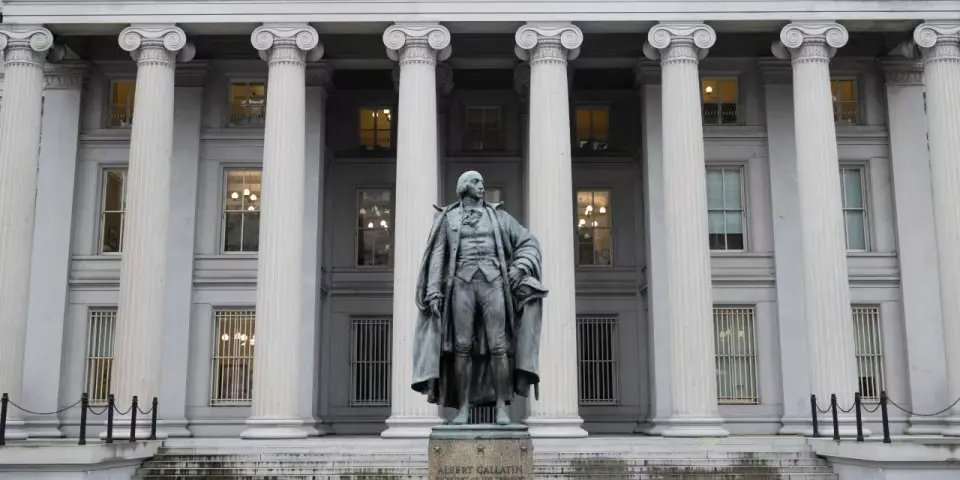
U.S. Treasury yields pulled back from recent highs on October 1, 2026, as buyers returned to the market amid doubts about Federal Reserve rate hikes. The $31.5 trillion Treasury market saw intense buying in policy-sensitive and longer-dated securities, reversing a trend of rising yields that had reached levels not seen since 2002. This shift followed earlier economic data that initially pressured the market but ultimately triggered a rebound in bond prices.
Key points
- Treasury yields retreated from recent highs on October 1, 2026, as buyers re-entered the market.
- The $31.5 trillion U.S. Treasury market experienced intense buying in policy-sensitive and longer-dated securities.
- Yields had previously reached their highest levels since 2002 before the sudden reversal.
- Early economic data on Thursday initially pressured the market but ultimately triggered a rebound in bond prices.
- Traders expressed doubts about the likelihood of Federal Reserve rate hikes in 2026, influencing the shift in market sentiment.
Background
This development follows a period of sustained pressure on U.S. Treasury markets, where yields had risen significantly in late 2026. Earlier in the year, the 30-year yield reached approximately 5.28% and the 10-year yield around 4.74%, driven by concerns over the national debt and inflation. Treasury Secretary Scott Bessent had attempted to lower long-term yields through buybacks, but these efforts were met with skepticism from traders. The recent retreat in yields marks a shift from the previous volatility and aligns with a broader market rebound observed on October 2, 2026, where equities gained as bond market pressure eased.
Why it matters
The sudden retreat in Treasury yields signals a shift in market sentiment regarding Federal Reserve policy and economic outlook. This movement can influence borrowing costs across the economy, affecting mortgages, business loans, and consumer credit. It also reflects broader investor confidence in the stability of U.S. debt markets, which are critical for global financial stability. The reversal from record-high yields may indicate a potential easing of inflationary pressures or a reassessment of the Federal Reserve's future rate decisions, impacting both domestic and international markets.
What to watch
Market participants will monitor further developments in the Treasury market, including any additional shifts in yields and the impact of upcoming economic data. The Federal Reserve's next policy decisions will be closely watched to determine if the current trend of lower yields persists or if further rate hikes are anticipated. Additionally, the effectiveness of Treasury interventions, such as buybacks, will be assessed in the context of ongoing debt management strategies.
Want the full story? Read the original reporting
Read on MarketWatch