
NASA commits to Boeing Starliner as SpaceX winds down Crew Dragon
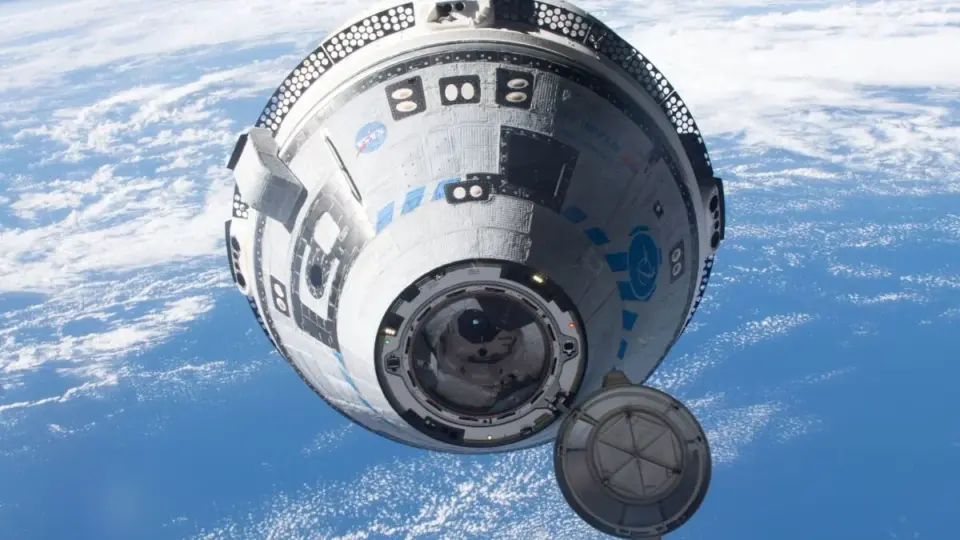
NASA is moving to secure Boeing’s Starliner as a primary crewed spacecraft to replace SpaceX’s Crew Dragon, which is scheduled for retirement by 2030. The agency plans to order two additional Starliner missions, fund repairs for its thrusters, and support certification for a new launch vehicle. This shift follows SpaceX’s decision to pivot toward Starship and Starlink, leaving NASA with limited options for human spaceflight in the 2030s.
Key points
- NASA intends to order two additional crewed missions for Boeing’s Starliner and will cover part of the cost to fix its propulsion system.
- SpaceX has confirmed it will retire Crew Dragon by 2030, despite recently receiving a $946 million contract extension for three more missions to the International Space Station.
- Boeing’s Starliner faces a critical transition as its current Atlas V rocket is nearing retirement, with only six units remaining in inventory.
- The agency is exploring new launch vehicles, including United Launch Alliance’s Vulcan and Blue Origin’s New Glenn, to replace the Atlas V for Starliner missions.
- NASA’s move aims to ensure a reliable crewed transport capability for the 2030s, particularly as the International Space Station is slated for retirement around 2030–2031.
Background
NASA’s Commercial Crew program has been a cornerstone of US human spaceflight since 2010, with SpaceX’s Crew Dragon successfully completing 13 missions to the ISS. Boeing’s Starliner, however, has faced significant challenges, including a 2024 'Type A' mishap that left astronauts stranded on the ISS for nine months. The current push to revive Starliner follows earlier NASA efforts to fix technical issues and certify the spacecraft for crewed flights, which have been delayed due to thruster malfunctions and helium leaks.
How outlets are covering it
Gizmodo and Ars Technica both highlight NASA’s urgent need to secure a backup crewed vehicle as SpaceX winds down Crew Dragon. Ars Technica emphasizes the financial implications, noting that NASA has spent significantly more on Starliner ($5.1 billion) than on Crew Dragon ($3.1 billion). Yahoo Finance focuses on the broader market impact, suggesting that Boeing’s renewed role could affect its stock performance and the competitive landscape for launch services. All sources agree that NASA’s decision is driven by the lack of alternative crewed spacecraft options in the 2030s, with Blue Origin’s New Glenn emerging as a potential new launch platform for Starliner.
Why it matters
NASA’s commitment to Starliner ensures a continuous US presence in low Earth orbit beyond 2030, supporting the transition to commercial space stations. It also highlights the risks of relying on a single provider for crewed missions and the importance of maintaining multiple viable spacecraft options for future space exploration.
What to watch
NASA is expected to announce the two additional Starliner missions and funding for thruster repairs in the coming weeks. The agency will also evaluate new launch vehicles, with a competition likely between ULA’s Vulcan and Blue Origin’s New Glenn. SpaceX’s Crew Dragon missions will continue through 2030, but the focus will shift to Starliner as the primary crewed spacecraft for the 2030s.
- SpaceX Is Retiring Crew Dragon, Forcing NASA to Bet Big on Boeing’s Troubled Starliner Gizmodo
- After being sidelined, Boeing’s Starliner to get starring role in NASA’s spaceflight plans Ars Technica
- NASA in talks for Boeing's Starliner to handle new missions, WSJ reports Reuters
- Boeing Starliner May Get a Bigger NASA Role Despite Leaving Crew Behind As SpaceX Looks Past Dragon, Says Report Yahoo Finance
- NASA in talks for Boeing's Starliner for 10 or more new missions - WSJ (BA:NYSE) Seeking Alpha
Want the full story? Read the original reporting
Read on Gizmodo