
NASA Launches $100M+ Competition for Private Successors to International Space Station
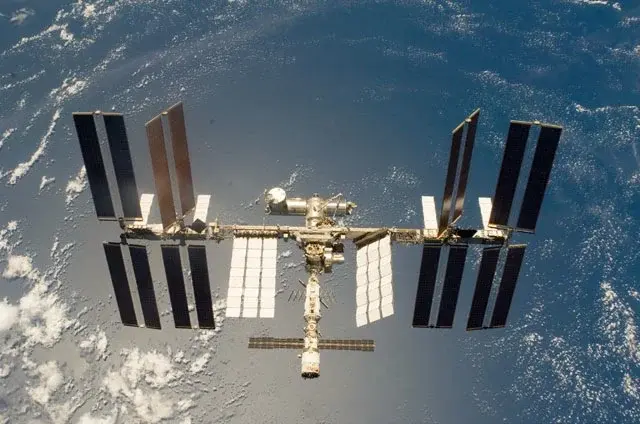
NASA has released a 360-page request for proposals (RFP) seeking private companies to build commercial space stations in low Earth orbit (LEO) to replace the retiring International Space Station (ISS). The agency aims to select two or more contractors by April 2027, with the first stations potentially operational by 2030. Phase 1 winners will receive at least $100 million, while later phases involve billions in funding for development, certification, and crewed missions. Key bidders include Axiom Space, Voyager Space, and Vast Space. NASA has eased transportation requirements, offering to broker flights via Boeing’s Starliner to reduce burdens on station builders, as SpaceX’s Crew Dragon is slated for retirement around 2030-2032.
Key points
- NASA released a 360-page RFP on October 9, 2026, seeking private LEO destinations to succeed the ISS.
- Proposals are due December 8, 2026, with contract awards expected in spring 2027.
- Phase 1 guarantees at least $100 million per winner; future phases include billions for development and certification.
- NASA will select two or more contractors, with Phase 3 involving at least four crewed missions.
- NASA offers to 'furnish' transportation for initial missions, likely brokering deals with Boeing to offset SpaceX’s upcoming Crew Dragon retirement.
- Estimated costs for 2030 include $325 million for a four-seat crew flight and $300 million for cargo.
Background
The ISS is scheduled for deorbiting between 2030 and 2032, creating a gap in US human presence in LEO. Recent archive coverage highlights the urgency of this transition, including SpaceX’s record-breaking Crew-13 mission in October 2026 and NASA’s $359 million commitment to Boeing’s Starliner in early 2026 to ensure backup transportation capabilities. These developments underscore the need for a reliable, commercial alternative to maintain continuous access to orbit as legacy systems retire.
How outlets are covering it
Ars Technica emphasizes the strategic shift toward commercial partners, noting that NASA is removing transportation burdens from bidders to encourage participation from Axiom, Voyager, and Vast. The outlet highlights concerns about SpaceX’s reluctance to sell seats to private operators, prompting NASA’s support for Boeing. NASA’s official release frames the move as aligning with the President’s National Space Policy, stressing the need for credible business plans and technical execution to sustain US leadership in space. While Ars Technica notes Blue Origin’s uncertain commitment, NASA’s statement focuses on the economic viability and multi-award contract structure, indicating a competitive but supportive acquisition approach.
Why it matters
This RFP marks a pivotal transition from government-operated to commercial-led space infrastructure, ensuring continuous US presence in LEO for research, technology development, and crew training. It reduces reliance on a single provider (SpaceX) by diversifying transportation and station capabilities, while freeing NASA resources for deep-space missions to the Moon and Mars. The outcome will shape the future of commercial spaceflight economics and international cooperation in orbital infrastructure.
What to watch
Industry responses are due December 8, 2026. NASA plans to select two or more Phase 1 contractors by April 2027. Phase 2 will fund development and certification, while Phase 3 will procure at least four crewed missions. Boeing’s Starliner certification progress and SpaceX’s Crew Dragon retirement timeline will influence transportation logistics for the new stations.
- NASA issues long-awaited call to industry for private space stations Ars Technica
- NASA Seeks US Industry Plans for Commercial Space Stations NASA (.gov)
- NASA seeks commercial space station proposals (SPCX:NASDAQ) Seeking Alpha
- Concerns Loom Amid Space Station Successor Program Delay Aviation Week
- NASA seeks industry plans for next-gen space stations Breakingthenews.net
Want the full story? Read the original reporting
Read on Ars Technica