
SpaceX Starship Flight 13 Marks a Technical Milestone but Triggers Investor Panic
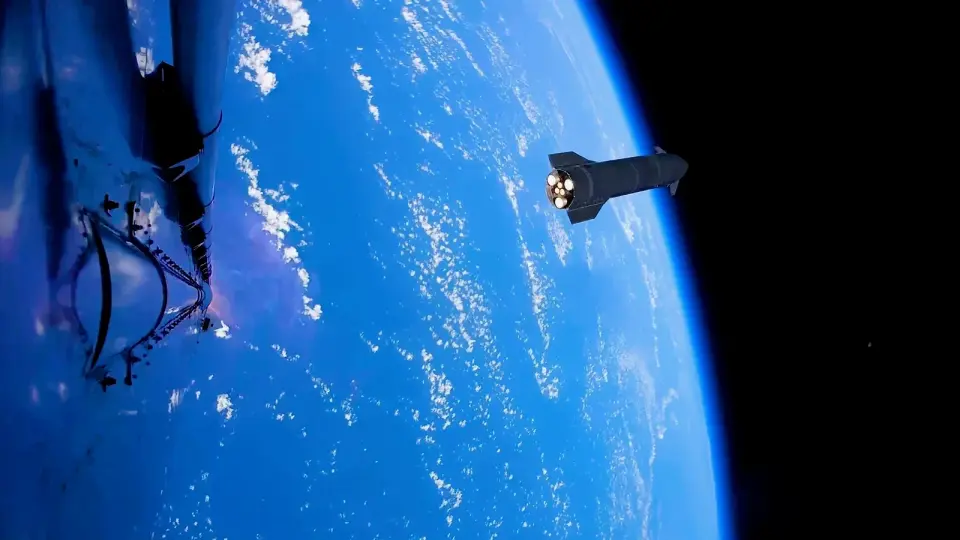
SpaceX's 13th Starship test flight on July 24, 2026, achieved a historic first by successfully deploying 20 next-generation Starlink satellites and achieving a soft splashdown for the upper stage. However, the Super Heavy booster failed to ignite all engines during re-entry, resulting in an explosive impact in the Gulf of Mexico. While the flight demonstrated significant progress for the Version 3 vehicle, the booster failure triggered a sharp decline in SpaceX's stock, which fell to a new low of $108.66 shortly after its IPO.
Key points
- The 13th test flight of the 408-foot Starship Version 3 launched from Starbase in South Texas on July 24, 2026.
- The upper stage successfully deployed 20 next-generation Starlink satellites, a first for the program as previous tests used dummy payloads.
- The upper stage achieved a soft splashdown in the Indian Ocean without exploding, marking a significant improvement in re-entry performance.
- The Super Heavy booster failed to ignite all 13 engines during re-entry, causing it to slam into the Gulf of Mexico and explode.
- SpaceX shares dropped to a new low of $108.66 following the flight, falling over 20% below its IPO opening price of $135.
- The stock decline occurred despite positive media coverage, highlighting the intense scrutiny SpaceX faces as a newly public company.
Background
This flight followed a series of delays and a scrub on July 16 due to engine ignition issues. The July 24 launch was the first public test of the Version 3 upgrade, which had previously suffered engine losses in May. The flight was also the first major test since SpaceX's highly publicized IPO earlier in the summer, setting a high bar for investor expectations.
How outlets are covering it
Space.com emphasized the technical successes of the flight, highlighting the successful satellite deployment and the first-ever soft splashdown of the upper stage. In contrast, Futurism focused on the financial fallout, noting that the booster's failure to land safely triggered a significant drop in SpaceX's stock. While Space.com framed the event as a 'pretty well' test with 'amazing visuals,' Futurism argued that the mixed results were insufficient to reassure investors, who are now scrutinizing every launch decision in a public market. Futurism also pointed out that SpaceX has never been profitable, losing $5 billion last year, making the booster's failure a critical concern for the company's long-term viability.
Why it matters
The Flight 13 test highlights the tension between technical progress and financial expectations for SpaceX. While the upper stage's success demonstrates progress toward reusability, the booster's failure underscores the ongoing challenges of rocket development. The stock market's reaction indicates that investors are demanding consistent, flawless performance from a company that has historically operated in private, where failures were less scrutinized. This event sets the stage for increased pressure on SpaceX to deliver on its ambitious promises, including space-based data centers and lunar colonies, while navigating the complexities of public market scrutiny.
What to watch
SpaceX will likely continue testing the Starship Version 3, focusing on resolving the booster's re-entry issues. The company may also face increased pressure to demonstrate profitability and consistent performance to reassure investors. Future flights will be closely monitored by the market, with each launch serving as a test of the company's ability to meet its lofty promises. The next test flight will likely focus on improving the booster's landing performance, as reusability is essential for the economic viability of the Starship program.
- Starship in space! See highlights of SpaceX megarocket's epic Flight 13 test launch (video) Space
- SpaceX Stock Falls After ‘Near Perfect’ 13th Starship Test. Flight 14 Will Be Wild. Barron's
- SpaceX Stock Hammered After Starship Booster Fails in First Launch Since IPO Futurism
- SpaceX's Starship V3 deploys most advanced Starlink satellites then pulls off best re-entry yet Fortune
- SpaceX plans Starship tower catch for next test flight, Elon Musk announces ValleyCentral.com
Want the full story? Read the original reporting
Read on Space