
AI Data Center Boom Drives US Gas Capacity and Emissions to Record Highs
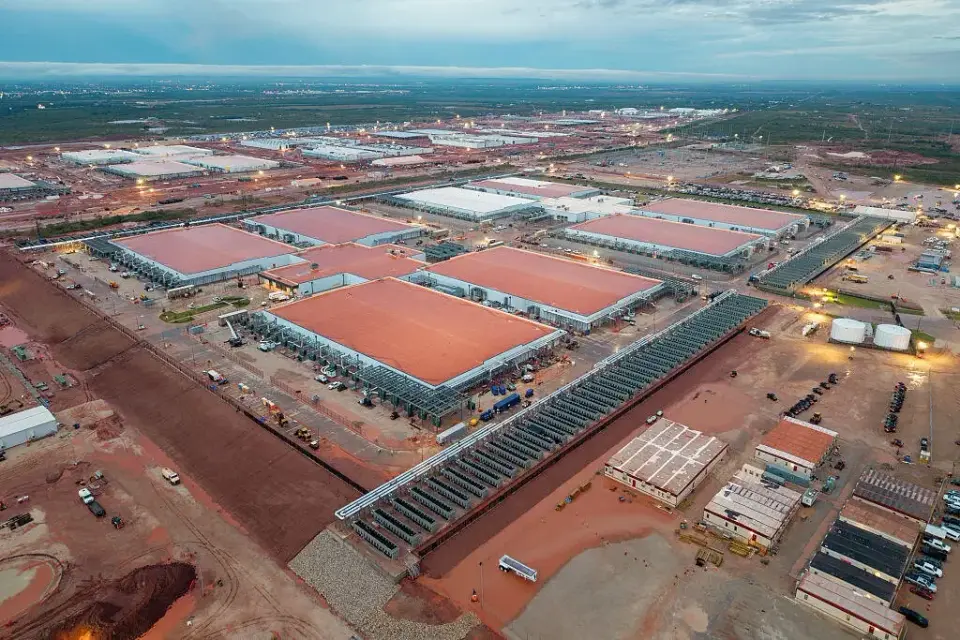
The rapid expansion of AI data centers in the US is causing a significant shift toward fossil fuels, with new facilities projected to emit 101.5 million tons of CO2 annually. This surge is straining the grid, forcing tech giants to build private gas plants, and contradicting their previous climate commitments.
Key points
- Analysis of the 60 largest US data centers under construction by Amazon, Google, Meta, and Microsoft estimates they will produce 101.5 million tons of CO2 annually, equivalent to 27 coal plants or 24 million cars.
- BloombergNEF tracks 99 proposed natural gas plants for data centers, which could add 318 million metric tons of CO2 annually, potentially increasing US power sector emissions by 20%.
- Amazon is building an 8,000-acre AI campus in Pecos County, Texas, powered by a 5,000 MW gas plant, with plans to eventually connect to the grid to supply other customers.
- Tech companies are using 'behind-the-meter' private power generation to bypass lengthy grid interconnection delays, prioritizing speed over clean energy sources.
- Emissions from major tech firms have risen sharply: Amazon up 16%, Microsoft up 25%, and Alphabet up 18% year-over-year, driven by increased electricity purchases and construction.
Background
This development follows earlier reports in August 2026 regarding Amazon's massive Pecos County project and Microsoft's 25% emissions increase, which highlighted growing tensions between AI infrastructure growth and corporate net-zero pledges. Previous coverage noted that while companies maintained their climate goals, the physical reality of their energy consumption was diverging from their public commitments.
How outlets are covering it
CNET and the Financial Times emphasize the aggregate carbon impact, noting that the new data centers represent 7% of total US power-sector emissions and contradict Big Tech's five-year-old climate pledges. The Los Angeles Times and Bloomberg focus on the structural shift to 'behind-the-meter' gas plants, highlighting how developers are bypassing utility approvals to meet immediate power demands, with Texas accounting for over a third of these projects. Data Center Knowledge provides a more nuanced view of Amazon's strategy, noting that while the company is currently using private gas generation, it is actively exploring a transition to grid-connected service to eventually supply other customers, suggesting this may be a temporary necessity rather than a permanent business model. All sources agree that the current pace of fossil fuel deployment is outpacing the availability of clean energy and storage technologies.
Why it matters
The collision between AI infrastructure demands and climate goals is creating a new environmental crisis, with data centers becoming major sources of carbon pollution. This shift is straining the US electricity grid, increasing reliance on fossil fuels, and potentially delaying national climate targets. The move to private power generation also raises concerns about grid reliability and the long-term sustainability of the AI boom, as companies prioritize speed over environmental responsibility.
What to watch
Utilities are preparing to roll out tens of thousands of megawatts of new capacity to serve data centers, with three-quarters of operators building new gas plants. Amazon is expected to clarify its grid connection plans as ERCOT's Batch Zero process moves forward. The Trump administration's rollback of climate rules and clean energy tax credits is likely to accelerate the trend toward fossil fuels, while public backlash over water use and noise may lead to further moratoriums on new data center approvals.
- Planned US Data Centers Set to Produce 24M Cars’ Worth Of Carbon Dioxide CNET
- Data centers need power now. Natural gas is filling the gap Baton Rouge Business Report
- Big Tech’s gas-hungry AI hubs risk blowing up climate pledges Los Angeles Times
- Data Center Gas Plants to Boost US Power Emissions by 20% Bloomberg.com
- Amazon Explores Grid Connection for 8,000-Acre AI Campus Data Center Knowledge
Want the full story? Read the original reporting
Read on CNET