
Alaska Airlines skips economy screens on new 737 MAX 10 to prioritize premium revenue
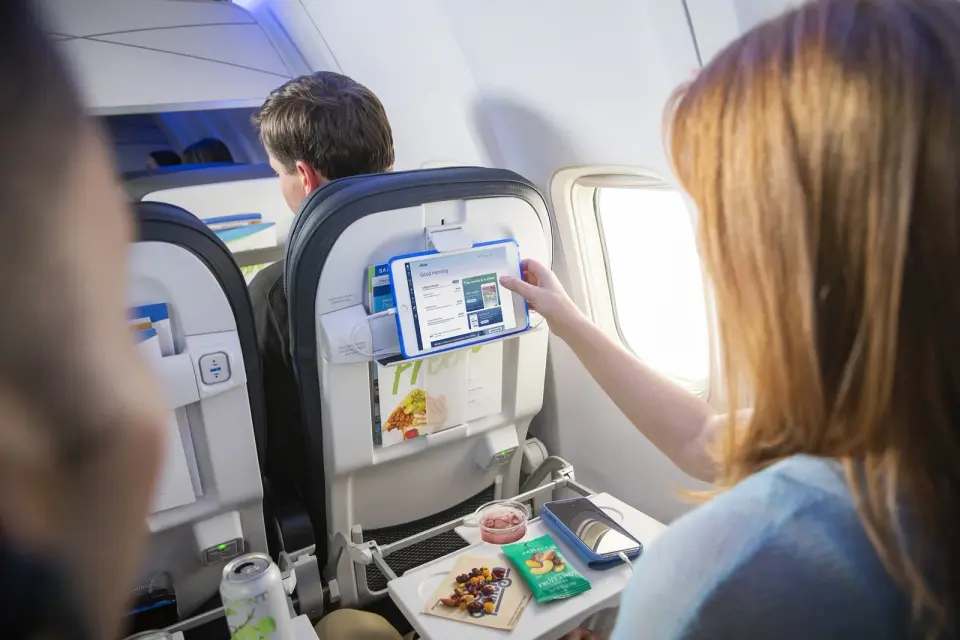
Alaska Airlines will install seatback screens only in premium cabins on its new 737 MAX 10 aircraft, leaving economy and premium economy passengers to rely on personal devices and Starlink Wi-Fi. This decision, announced during the airline's investor day, aims to accelerate the rollout of lie-flat 'Aurora' suites and 'Premium Reserve' seats by 2028, despite criticism that excluding screens from lower-tier cabins undermines the overall passenger experience and competitive positioning.
Key points
- Alaska Airlines confirmed that its incoming 737 MAX 10 aircraft will feature Panasonic Astrova screens only in Aurora Suites (19-inch) and Premium Reserve (16-inch), with no screens in Premium Class or Main Cabin.
- The airline cited certification complexities, including head and neck injury requirements, as a reason to avoid delays in bringing the aircraft into service, which has already faced years of postponement due to FAA issues.
- Alaska President and CFO Shane Tackett stated that passenger feedback prioritizes immediate access to personal content via Starlink Wi-Fi, suggesting that seatback screens are less critical for economy travelers.
- Critics argue that omitting screens from economy cabins is a strategic error, especially for transcontinental routes where Alaska aims to compete for premium revenue, noting that American Airlines is currently reinstating screens on its domestic fleet.
- The move is part of the 'Alaska Accelerate' strategy, which targets 60% of total revenue from premium sources by 2030, including new lounges in Seattle, Honolulu, and San Diego, and a new debit card for Atmos Rewards members.
Background
Alaska Air Group has been pursuing a significant shift toward premium travel since its acquisition of Hawaiian Airlines in 2024. The 'Alaska Accelerate' plan aims to grow the airline into a global carrier, with goals including 15 new long-haul international routes from Seattle by 2030 and $10 in earnings per share by 2027. Previous coverage highlighted 'Project Gotham,' an initiative to retrofit 737 MAX 10 aircraft with lie-flat seats to compete on transcontinental routes, and noted that the 737 MAX 10 certification has faced delays due to software glitches, potentially pushing the 2028 launch date.
How outlets are covering it
Live and Let's Fly criticizes Alaska's decision to exclude screens from economy and premium economy cabins, arguing that it undermines the airline's premium positioning and that Starlink Wi-Fi does not replace the convenience of seatback screens for watching movies or using devices without occupying tray tables. The outlet notes that American Airlines is reversing its previous decision to remove screens, suggesting that Alaska may be playing catch-up. In contrast, Alaska Airlines and Anchorage Daily News emphasize the strategic focus on premium revenue, with Alaska's Chief Commercial Officer Andrew Harrison stating that premium revenue now accounts for 35% of total revenue and that the airline is investing in high-end products to capture corporate and luxury travelers. Alaska's leadership defends the decision by citing certification delays and passenger preference for personal devices, while acknowledging that the investment in premium cabins is a significant step toward becoming a global carrier.
Why it matters
The decision highlights the tension between cost-efficiency and premium positioning in the airline industry, where carriers are increasingly focusing on high-revenue premium cabins to offset rising costs, including fuel and labor. For Alaska Airlines, the move could impact its competitiveness on transcontinental routes, where rivals like Delta and JetBlue offer premium products, and may influence passenger perceptions of the airline's overall service quality. The broader industry trend, as noted by McKinsey & Company, shows that premium cabins are contributing a growing share of revenue, with business-class cabins potentially generating nearly as much revenue as economy cabins, underscoring the importance of premium investments for airlines seeking to grow in a competitive market.
What to watch
Alaska Airlines plans to begin rolling out the 737 MAX 10 aircraft with Aurora Suites and Premium Reserve seats in 2028, contingent on FAA certification. Passengers can book Premium Reserve seats starting next summer. The airline also aims to open new lounges in Seattle, Honolulu, and San Diego by 2028 and launch a new debit card for Atmos Rewards members in early 2027. The company will continue to monitor passenger feedback and may reconsider its in-flight entertainment strategy if competitive pressures or customer demand shift.
- Mistake? Alaska Airlines’ New 737 MAX 10 Leaves Economy Class Without Seatback Screens Live and Let's Fly
- Alaska Airlines courts premium travelers with new suites and seats Anchorage Daily News
- Alaska Airlines goes all-in on luxury with sweeping premium cabin overhaul Fox Business
- Alaska Airlines and Hawaiian Airlines unveil Aurora and Leihōkū - elevating the premium travel experience from curb to cabin, along with a new Premium Reserve class and investments in the core guest experience Alaska Airlines
- Alaska Air Upgrades Lounges and Cabins in Battle for High-Paying Travelers wsj.com
Want the full story? Read the original reporting
Read on Live and Let's Fly