
G7 Agrees to 100 Million Barrel Fuel Release to Curb Soaring Diesel Prices
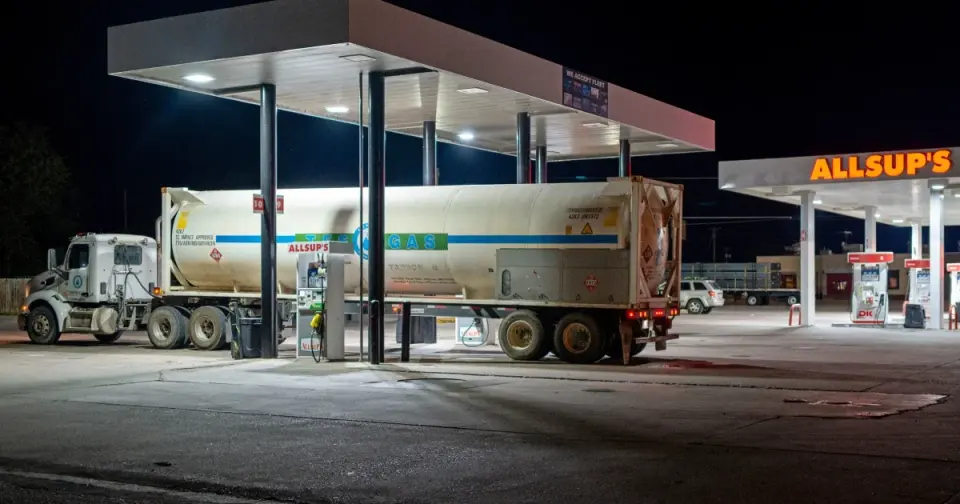
The Group of Seven (G7) has agreed to release up to 100 million barrels of diesel and crude oil from strategic reserves over four months to stabilize global fuel markets. This coordinated action, led by the International Energy Agency (IEA), follows intense pressure from the US administration, which threatened to ban diesel exports to lower domestic prices. The release aims to address record-high fuel costs driven by geopolitical conflicts, including the US-Israeli war on Iran and Ukrainian attacks on Russian energy infrastructure. While the US framed the move as a success, European leaders rejected the export ban threat, warning it would damage trust and economic performance.
Key points
- G7 leaders agreed to release 100 million barrels of diesel and crude oil over four months, with a substantial diesel release within the first 20 days.
- The release is coordinated through the International Energy Agency (IEA) and aims to stabilize global fuel markets.
- US President Donald Trump hailed the decision as a 'great thing' and stated that a diesel export ban 'was never really on the table.'
- European leaders, including the EU, rejected the threat of a US diesel export ban, warning it would undermine trust and have 'dramatic consequences' for economic performance.
- The move comes amid record-high diesel prices in the US and Europe, driven by the US-Israeli war on Iran and Ukrainian attacks on Russian energy infrastructure.
Background
This development follows a March release of 400 million barrels of crude oil by IEA members, which temporarily eased energy supply crunches but did not prevent continued price rises. The current release is part of ongoing efforts to manage fuel prices amid geopolitical tensions, including the US-Israeli war on Iran and Ukrainian attacks on Russian energy infrastructure. The US administration has been pressuring European allies, particularly Germany and France, to tap their strategic reserves to lower global fuel prices.
How outlets are covering it
The US administration, led by President Trump, framed the G7 agreement as a success, emphasizing the release of European diesel stockpiles and the avoidance of a US export ban. European leaders, including the EU, rejected the threat of a US diesel export ban, warning it would undermine trust and have 'dramatic consequences' for economic performance. The IEA, led by Fatih Birol, noted that while a significant portion of the March release had been delivered, some stocks remained, and further releases were possible. Analysts, such as Andy Lipow, suggested that the release could temporarily reduce diesel prices by 25 cents per gallon but would not significantly increase refinery capacity.
Why it matters
The G7's decision to release 100 million barrels of fuel is significant as it aims to stabilize global fuel markets and address record-high prices, which have been a major concern for both the US and European economies. The move also highlights the ongoing tensions between the US and Europe over energy policy, particularly regarding the threat of a US diesel export ban. The release is expected to have a temporary impact on diesel prices, but its long-term effectiveness remains uncertain, especially given the ongoing geopolitical conflicts and the limited increase in refinery capacity.
What to watch
The G7 will monitor developments closely and stand ready to adjust measures as needed. The release of 100 million barrels of fuel is expected to begin immediately, with a substantial diesel release within the first 20 days. The US and European leaders will continue to coordinate on energy policy and market stability, while the IEA will oversee the release process. The impact of the release on diesel prices will be closely monitored, and further releases may be considered if necessary.
- G7 countries to release up to 100 million barrels of diesel and crude oil reserves NBC News
- U.S. and Allies Agree to Release Diesel Reserves as Prices Soar The New York Times
- Trump says Europe has agreed to release "massive amount" of diesel oil from stockpiles CBS News
- G7 nations agree to release 100 million barrels of oil, including diesel, a boost for Trump AP News
- EU ‘fully rejects’ US threat to ban diesel exports unless bloc releases more fuel stocks France 24
Want the full story? Read the original reporting
Read on NBC News