
Amylin and Triple-Agonist Trials Signal Next Wave in Obesity Treatment
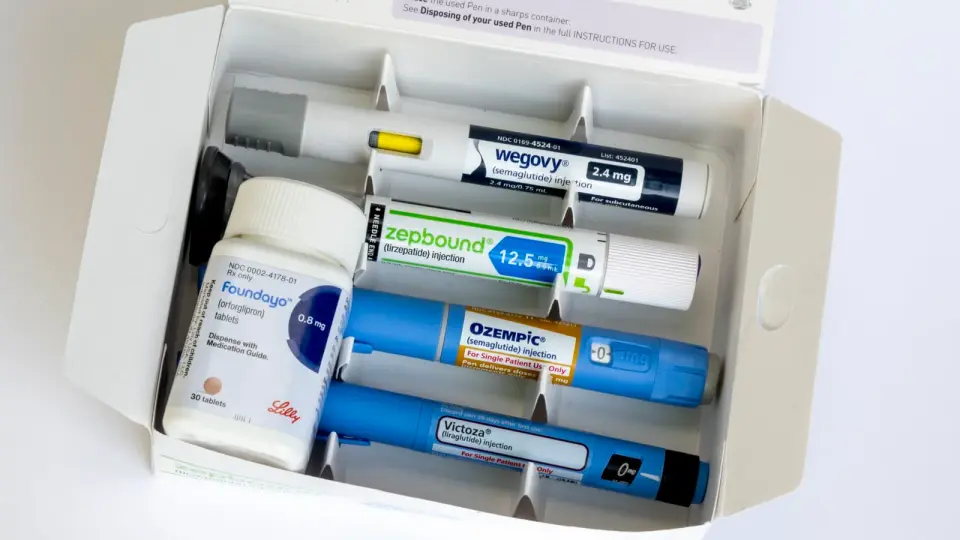
Eli Lilly and Novo Nordisk are advancing next-generation obesity treatments targeting the amylin pathway and multiple hormone receptors. Lilly’s Phase 2 trial showed its amylin drug eloralintide, combined with tirzepatide, achieved 23.3% weight loss, though side effects caused higher discontinuation rates. Meanwhile, Lilly’s triple-agonist retatrutide reached a Phase 3 milestone, with 12mg doses yielding 18.8% weight loss and improved metabolic markers in diabetic patients. Novo is preparing to launch its amylin-based CagriSema next year. These developments aim to address patients who do not respond adequately to current GLP-1 therapies, expanding treatment options through multi-pathway approaches.
Key points
- Lilly’s eloralintide combined with tirzepatide resulted in 23.3% average body weight loss at 48 weeks in a Phase 2 trial, compared to 14.8% for tirzepatide alone.
- Side effects led to discontinuation rates of 10.8% to 27% for the combination therapy, versus 2.9% for tirzepatide alone, raising tolerability concerns for Phase 3 trials.
- Lilly’s retatrutide, a triple agonist targeting GLP-1, GIP, and glucagon, showed 18.8% weight loss at 12mg in a Phase 3 trial involving 1,152 participants with type 2 diabetes.
- Novo’s CagriSema, combining amylin and semaglutide, is expected to launch early next year, with standalone and higher-dose versions planned for 2028.
- Amylin targets a different biological pathway than GLP-1 but achieves similar outcomes by suppressing appetite and slowing gastric emptying, offering potential for multi-pathway combination therapies.
Background
The obesity drug market has seen intense competition between Eli Lilly and Novo Nordisk, with Lilly gaining market share through its GLP-1/GIP drug tirzepatide. Novo recently rebranded to Novo and launched a cultural overhaul to regain momentum, while both companies face legal challenges regarding GLP-1 side effects. Previous coverage highlighted Lilly’s expanding lead and Novo’s strategic shifts, setting the stage for these new multi-pathway treatments.
How outlets are covering it
CNBC emphasizes the potential of amylin as a complementary therapy to GLP-1s, noting Lilly’s Phase 2 results and analyst forecasts for $23.2 billion in annual sales by 2035. The Guardian focuses on retatrutide’s broad health benefits, including reduced inflammation and improved cardiometabolic risk factors, while highlighting gastrointestinal side effects. Scientific American underscores retatrutide as a 'high-water mark' for weight loss, noting that 47% of participants on 12mg lost at least 20% of body weight, but also flags concerns about micronutrient deficiencies and gallstones from rapid weight loss. All sources agree that multi-pathway approaches are critical for patients who do not respond to single-target therapies, but differ in emphasis: CNBC highlights commercial potential, The Guardian stresses holistic health benefits, and Scientific American focuses on clinical milestones and safety considerations.
Why it matters
These advancements expand treatment options for millions of patients who do not achieve sufficient weight loss or experience side effects with current GLP-1 therapies. Multi-pathway drugs like retatrutide and amylin-based combinations could improve metabolic outcomes, reduce cardiovascular risk, and address unmet needs in obesity and type 2 diabetes. However, tolerability and long-term safety remain critical challenges, with higher discontinuation rates and potential nutrient deficiencies requiring careful monitoring. Regulatory approval and widespread adoption will depend on Phase 3 trial results and real-world efficacy, potentially reshaping the obesity treatment landscape by 2028-2030.
What to watch
Lilly plans to submit retatrutide data to the FDA and other agencies early next year, with Phase 3 trials for eloralintide beginning later in 2026. Novo expects to launch CagriSema early next year, followed by standalone cagrilintide and a higher-dose version in 2028. Lilly’s eloralintide is forecast to launch as a standalone drug in 2029, with the combination therapy following in 2030. Further trials will focus on improving tolerability and confirming efficacy in larger populations, while researchers will monitor long-term safety and metabolic benefits.
- Why Lilly and Novo are betting on amylin to power a new wave of obesity drugs after GLP-1s CNBC
- Experimental Lilly combination drug tops Zepbound in weight-loss trial reuters.com
- ‘Godzilla’ of weight-loss drugs could provide other important health benefits The Guardian
- Blockbuster retatrutide trial signals a ‘new high-water mark’ for weight-loss drugs Scientific American
- Lilly’s Next-Gen Obesity Drug Helps People Lose Even More Weight in Study WSJ
Want the full story? Read the original reporting
Read on CNBC