
Illinois Culls 934,600 Hens in Largest US Bird Flu Outbreak
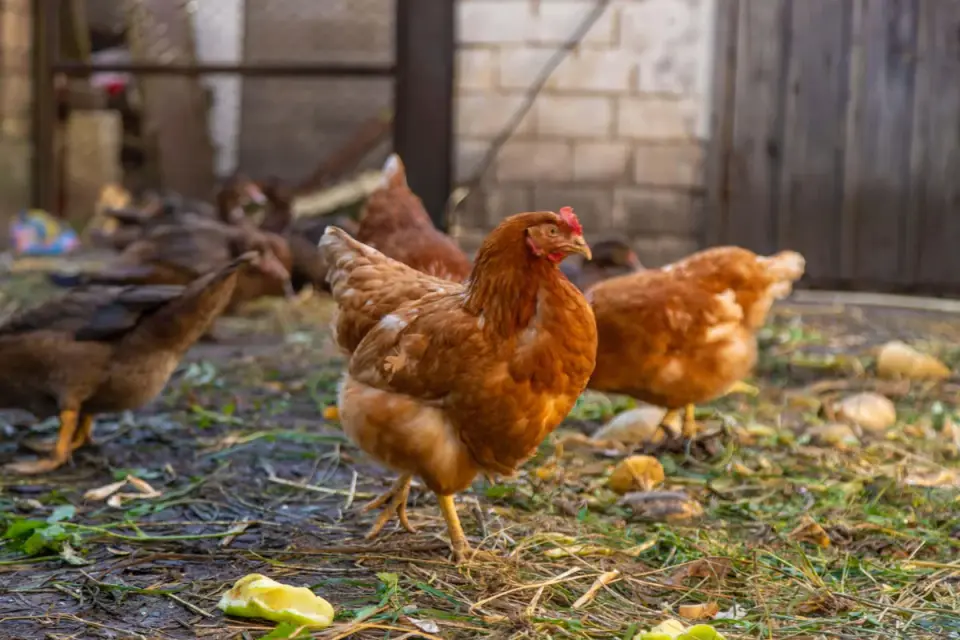
The US Department of Agriculture confirmed the culling of 934,600 chickens at Rose Acre Farms in Clinton County, Illinois, marking the nation's largest active bird flu outbreak. This massive depopulation event, occurring at the second-largest US egg producer, threatens to tighten egg supplies and increase consumer prices. The incident is part of a broader epidemic that has claimed over 210 million birds since 2022, with no available treatment for highly pathogenic avian influenza forcing immediate containment measures.
Key points
- USDA confirmed 934,600 birds were killed at a commercial table egg layer facility in Clinton County, Illinois.
- The affected facility is identified as Rose Acre Farms, located outside Germantown, which is the second-largest egg producer in the US.
- This outbreak is the largest active case in the US, significantly exceeding the next highest count in Minnesota, which affected 168,880 birds.
- Since the US bird flu epidemic began in February 2022, more than 210 million birds have died or been culled.
- Authorities are enforcing strict biosecurity protocols to prevent the virus from spreading to neighboring flocks and wild birds.
- The cull may disrupt egg production and raise retail prices, mirroring the price spikes seen in 2024 when a dozen cage-free eggs averaged $5.26.
Background
This event occurs against a backdrop of ongoing avian influenza challenges in the US. Recent archive coverage highlighted a separate H5N1 outbreak at a Utah mink farm, which exposed regulatory gaps and raised concerns about viral mutation and public health risks due to a lack of federal culling mandates for non-poultry species. While the Illinois case involves standard poultry containment protocols, the broader epidemic has consistently strained supply chains and prompted debates over federal versus state regulatory authority in managing agricultural biosecurity.
How outlets are covering it
The Independent emphasizes the economic impact on egg prices and the scale of the loss relative to other states, noting that Minnesota had the next-highest number of affected birds. It highlights the lack of treatment for the virus, forcing culling as the only containment method. Istituto Impariamo focuses on the biosecurity failure, describing the event as a breach of perimeter defenses in a centralized mass-production model. It stresses the immediate supply-side shockwaves and the rigorous federal protocols required for depopulation, framing the incident as a vulnerability of large-scale commercial farming to airborne viral contagion. Both sources agree on the necessity of the cull but differ in emphasis: The Independent links the event to consumer pricing and historical price trends, while Istituto Impariamo focuses on the structural fragility of industrial agriculture and the immediate logistical challenges for wholesale buyers.
Why it matters
The culling of nearly one million hens at a major producer like Rose Acre Farms has direct implications for national egg supply and consumer prices. As replacing such a large number of laying hens takes time, the market faces potential shortages and price increases, similar to the spikes observed in 2024. This event underscores the ongoing vulnerability of the US poultry industry to avian influenza, particularly during seasonal migration peaks, and highlights the critical role of biosecurity in preventing further spread.
What to watch
The USDA’s Animal and Plant Health Inspection Service will continue monitoring commercial poultry operations, backyard flocks, and wild birds for signs of infection. Biosecurity teams are working to disinfect affected barns and isolate surrounding zones. Full operational recovery and repopulation of the Illinois facility will take months, requiring intense sanitization and negative testing regimes. Industry inspectors will maintain surveillance across commercial farming regions to ensure adjacent producers remain uncompromised.
- Nearly 1 million chickens killed at egg farm as nation’s largest bird flu outbreak grows The Independent
- Nearly 1 Million Chickens Slaughtered at Second-Largest Egg-Producing Farm in the U.S. amid Bird Flu Outbreak People.com
- Nearly a million chickens killed at Illinois farm amid nation's largest active bird flu outbreak KSDK
- Illinois HPAI Outbreak: Nearly 935,000 Layers Depopulated PoultryMed
- Nearly One Million Egg-Laying Chickens Culled at Massive Commercial Facility as Highly Contagious Avian Influenza Hits Major US Producer Istituto Impariamo
Want the full story? Read the original reporting
Read on The Independent