
UK Bluetongue Outbreak Hits Record Highs, Straining Vaccine Supply and Farm Recovery
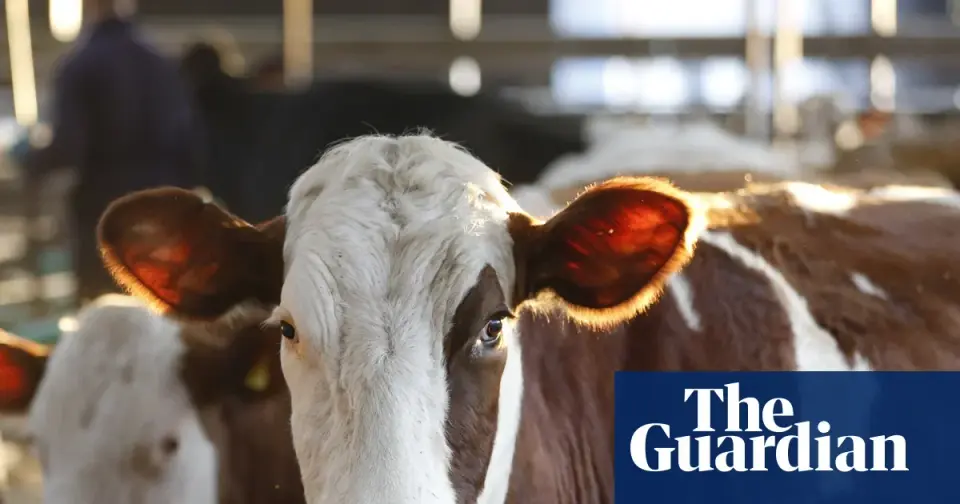
The UK is facing its worst bluetongue outbreak on record, with 2026-27 season cases already exceeding the total of the previous three years combined. The disease, linked to climate-driven warming, has spread to Scotland and is causing severe stress on farmers due to vaccine shortages and livestock fertility issues.
Key points
- Defra recorded 2,201 bluetongue cases by September 2026, surpassing the combined total of the past three seasons.
- The virus, transmitted by midges, has spread to Aberdeenshire in Scotland for the first time.
- Vaccine supply is critically low, with 40% of farmers unable to secure doses during the outbreak.
- A National Sheep Association survey indicates 350,000 doses will be needed for 2027, with 65% of farmers planning to vaccinate.
- Recovery from the disease takes 100 to 150 days, impacting ram fertility and farm productivity.
Background
Bluetongue, a viral disease affecting sheep and cattle, originated in Africa and has spread to Europe over two decades. The World Organisation for Animal Health links this expansion to climate breakdown, as warmer temperatures allow biting midges to survive in previously cooler northern regions. The specific strain, BTV-3, was first detected in England in 2023. Previous archive coverage of cyclospora outbreaks in the US highlights broader global trends in disease transmission linked to environmental changes, though the current UK crisis is distinct to livestock and vector-borne pathogens.
How outlets are covering it
The Guardian emphasizes the climate crisis as the primary driver, noting that hotter temperatures are enabling the virus to spread farther north and that the current outbreak is a 'harbinger' of future pathogen incursions. The National Farmers’ Union highlights the immediate economic and labor stress on farmers, who are struggling to manage both drought costs and disease treatment. The National Sheep Association focuses on the logistical failure of the vaccine supply chain, noting that 40% of farmers could not access vaccines and that demand for 2027 is projected to triple. The Moorlander provides a ground-level view from Dartmoor, detailing the practical impact on ram fertility and the need for long-term recovery, noting that animals may take up to 150 days to return to normal health. While all sources agree on the severity of the outbreak, they differ in emphasis: The Guardian and Energy and Climate Intelligence Unit focus on the long-term climate implications, while the NSA and farmers focus on immediate supply chain and economic pressures.
Why it matters
This outbreak threatens the stability of the UK livestock industry, with potential long-term impacts on food security and farm viability. The inability to secure vaccines and the prolonged recovery period for animals could lead to reduced productivity and increased costs. Furthermore, the spread of the virus to Scotland and the north of England suggests that climate change is fundamentally altering the geographic range of vector-borne diseases, requiring new public health and agricultural strategies.
What to watch
Farmers are expected to continue seeking vaccines for the 2027 season, with the NSA urging advance ordering. The government and industry bodies will likely need to address the vaccine supply chain to prevent further shortages. Additionally, monitoring of other vector-borne diseases, such as Zika and dengue, may increase as climate change continues to alter the habitats of disease-carrying insects.
- Worst ever outbreak of bluetongue hits British farms The Guardian
- Fears over bluetongue's impact on sheep fertility Yahoo
- Survey predicts 350,000 BTV3 doses needed for 2027 flock health Agriland UK
- Tavistock event brings urgent bluetongue advice to Dartmoor farmers The Moorlander
- Government urged to support North Devon farmers affected by bluetongue North Devon Council
Want the full story? Read the original reporting
Read on The Guardian