Tag

Livestock Health

All articles tagged with #livestock health

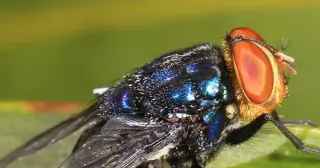
New World Screwworm Resurges in U.S., 12 Cases Confirmed as Texas Leads
science1 month ago

New World Screwworm Resurges in U.S., 12 Cases Confirmed as Texas Leads

U.S. officials report 12 confirmed cases of New World screwworm (11 in Texas, 1 in New Mexico) as the flesh-eating parasite re-emerges after spreading north from Central America; eradicated in the 1960s, it threatens cattle, sheep and wildlife, prompting surveillance, testing and millions of sterile-male releases, a Kerrville research lab expansion, and a Texas disaster declaration to contain the outbreak; meat remains safe and early detection is crucial.

USDA: Flesh-eating screwworm found in Texas calf, containment zone established
health1 month ago

USDA: Flesh-eating screwworm found in Texas calf, containment zone established

The USDA confirmed a New World screwworm infection in a 3-week-old calf in Zavala County, Texas, and launched a 12-mile infested zone with quarantines, border traps, and an Incident Command Team to eradicate the parasite; a sample is being validated by the NVSL, and authorities note thousands of cases in Mexico and the potential risk to livestock and rare human infections.

Texas detects New World screwworm in calf, triggers containment response
agriculture1 month ago

Texas detects New World screwworm in calf, triggers containment response

A New World screwworm was detected in a three-week-old calf in Zavala County, Texas, with larvae found in the umbilical area; there are no additional detections at this time. USDA APHIS and Texas officials have launched containment and eradication efforts, including a 20-kilometer infested zone, quarantines, movement controls, and enhanced surveillance to protect livestock and prevent economic losses.

Gene-edited pigs developed to resist swine fever
science8 months ago

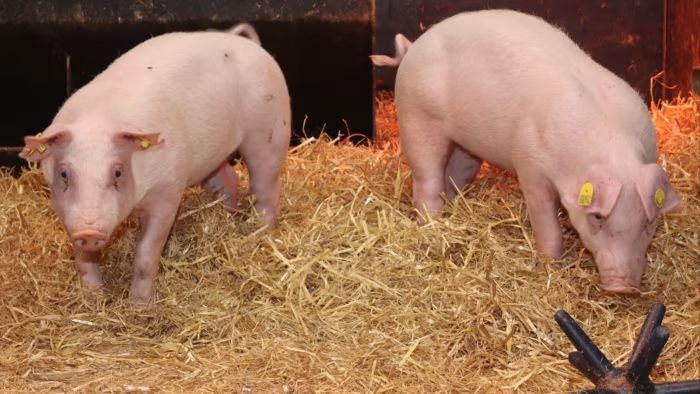
Gene-edited pigs developed to resist swine fever

Scientists from the University of Edinburgh have used CRISPR-Cas9 to genetically engineer pigs that are completely resistant to classical swine fever, a disease that causes significant economic losses in the global pork industry. This breakthrough could enhance disease control strategies, especially in regions heavily affected by the disease, and may be applicable to other livestock species, although adoption may face regulatory and societal challenges.