
Neanderthal Baby Growth Parallels Modern Humans, with Early Metabolic Clues
TL;DR
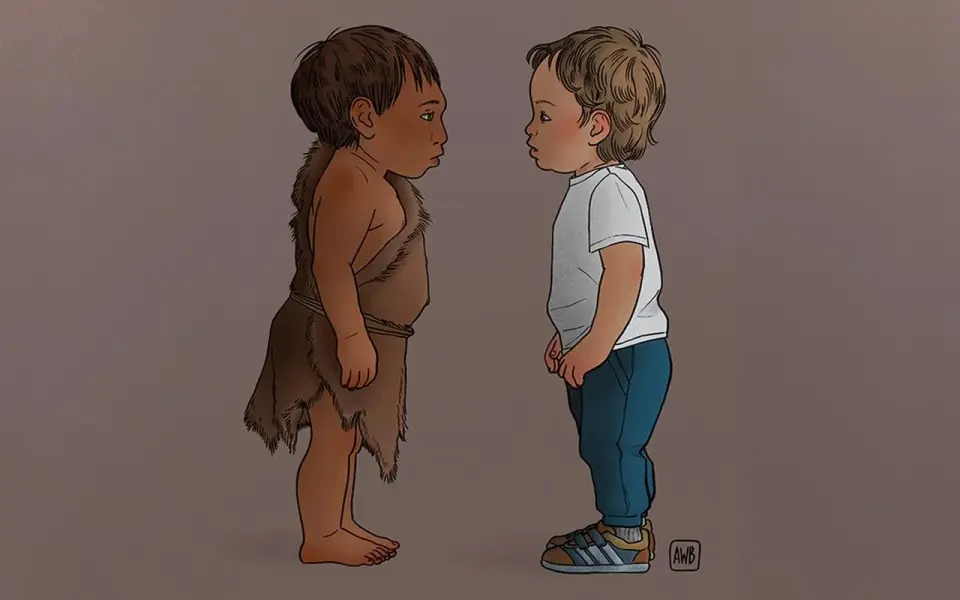
High‑resolution micro-CT analysis of three juvenile Neanderthal remains from Sesselfelsgrotte (about 90,000–50,000 years old) shows bone growth patterns akin to modern human fetuses, including prenatal development around eight to nine months of gestation, with long bones developing faster than the jaw. The teeth reveal interglobular dentine defects indicating metabolic stress during late pregnancy to early childhood, potentially vitamin/metabolism-related deficiencies, representing the oldest evidence of metabolic bone disease in a non-modern human lineage.
Topics:healtharchaeology#archaeology#early-childhood#growth#interglobular-dentine#metabolic-disease#neanderthal
- Rare Neanderthal baby remains reveal growth patterns similar to modern humans and signs of metabolic disease Archaeology News Online Magazine
- Baby fossils reveal link between human and Neanderthal development The University of Queensland
- Neanderthals Grew Very Fast After Birth, But Their Fetal Development Was Similar To That Of Modern Humans IFLScience
Want the full story? Read the original reporting
Read on Archaeology News Online Magazine