Sugar, Fried Food, and Refined Carbs: The Top Dietary Drivers of Fatty Liver
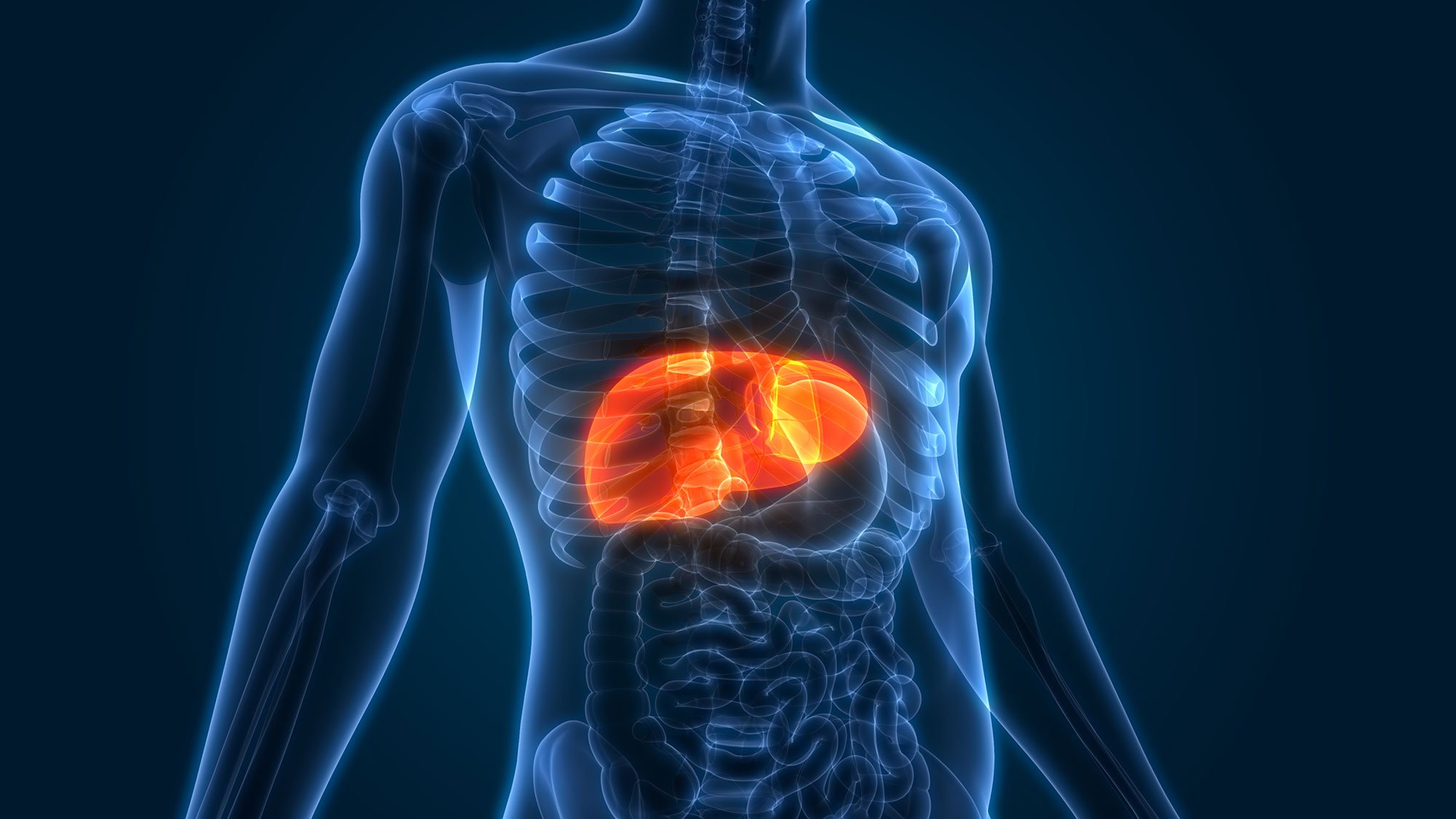
Metabolic dysfunction-associated steatotic liver disease (MASLD) affects 25% of U.S. adults, yet fewer than 5% are diagnosed. While the condition is often silent, it can progress to cirrhosis. Experts identify sugar-sweetened drinks, fried foods, and refined carbohydrates as the primary dietary culprits. Conversely, adopting a Mediterranean diet, consuming coffee, and choosing whole fruits over sweets can help prevent or reverse the condition.