
Bangladesh Measles Outbreak Reaches 999 Deaths as Vaccine Gaps Persist
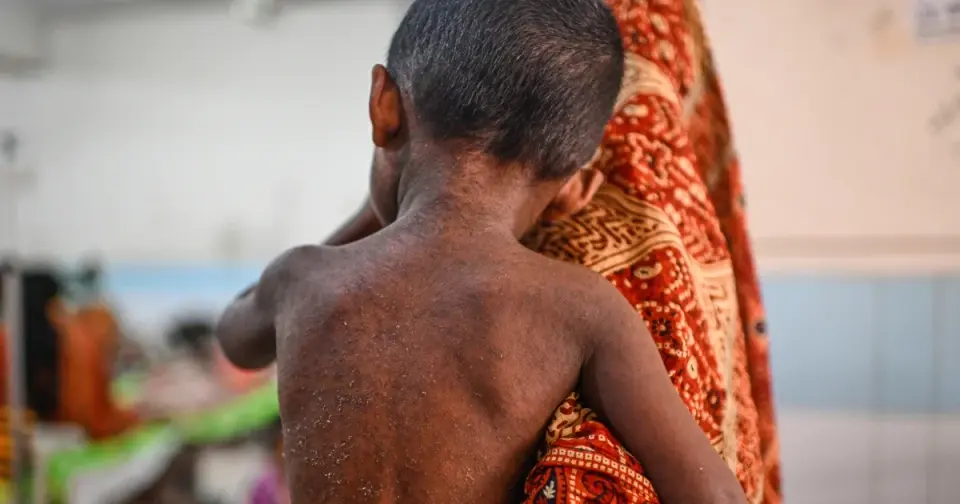
A severe measles outbreak in Bangladesh has resulted in 999 deaths and over 166,000 suspected cases since the start of 2026. The crisis stems from significant disruptions to the national vaccination program, including missed campaigns and supply shortages, which have left a large portion of the child population unprotected. While an emergency drive with international partners is underway, coverage remains insufficient to halt transmission, and hospitals are overwhelmed with severe complications.
Key points
- The Directorate General of Health Services reported 999 deaths from suspected measles cases in 2026, with over 166,000 suspected infections and 19,835 laboratory-confirmed cases.
- The outbreak began in March, causing more than 100 child deaths in less than a month, prompting an emergency vaccination drive led by the government, WHO, UNICEF, and Gavi.
- Vaccination coverage for the second dose dropped to 86% last year from 93% in 2024, a decline attributed to pandemic-era interruptions and a missed 2024 campaign during political upheaval.
- Hospitals, including Dhaka Shishu Hospital, report exhaustion from treating children with severe complications like pneumonia and encephalitis, with many arriving late due to the widespread nature of the outbreak.
- The current government blames previous administrations for vaccine shortages and planning failures, while the ousted former PM Sheikh Hasina has blamed the interim government for the disaster.
Background
Bangladesh previously controlled measles effectively, recording only 100 to 300 cases annually between 2021 and 2025. However, recent years saw significant disruptions to routine vaccinations due to the pandemic and political instability, including the ouster of PM Sheikh Hasina in August 2024. Prior coverage in September 2026 noted that a nationwide vaccination push reached only 18 million of 22 million target children, leaving about four million unvaccinated due to procurement issues. This current situation reflects the long-term consequences of those earlier gaps, as the country now faces its worst outbreak in decades.
Why it matters
The outbreak highlights the critical importance of sustained vaccination coverage, requiring 95% of the population to be vaccinated to stop transmission. The failure to maintain this threshold has led to a surge in cases and deaths, particularly among young children who are too young to be vaccinated or are immunocompromised. The crisis also underscores the vulnerability of public health systems to political instability and supply chain disruptions, serving as a cautionary tale for other nations facing similar challenges in maintaining immunization programs.
What to watch
The government and international partners will continue the phased nationwide vaccination drive, aiming to reach the 95% coverage threshold necessary to halt the spread. Health officials will monitor the impact of the emergency drive on case numbers and death tolls, while hospitals will continue to manage the high volume of severe cases. The situation will likely remain critical until sufficient coverage is achieved, with ongoing efforts to address vaccine shortages and improve access to vaccination centers.
Want the full story? Read the original reporting
Read on NBC News