
Bundibugyo Ebola Outbreak Crosses 10,000 Cases in DRC as Global Preparedness Demands Rise
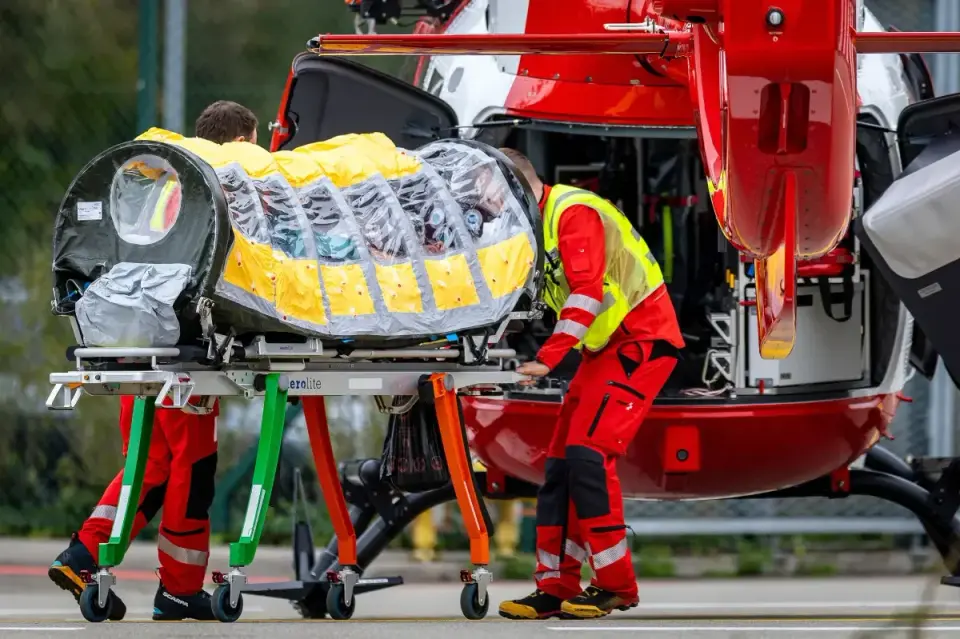
The Democratic Republic of Congo (DRC) has recorded over 10,000 Ebola cases and nearly 5,000 deaths since May, marking the country’s deadliest outbreak in history. Caused by the rare Bundibugyo strain, which lacks an approved vaccine or treatment, the virus has spread to Kenya, Uganda, and Nigeria. Health officials warn that the rapid transmission rate poses a global risk, prompting the US to implement new travel restrictions and African leaders to demand increased funding and cross-border cooperation.
Key points
- The DRC has confirmed over 10,200 cases and 5,000 deaths, with a case fatality rate of 48.6%.
- The outbreak is caused by the Bundibugyo virus, a strain with no approved vaccine or treatment, though clinical trials are underway.
- Cases have been confirmed in Kenya, Uganda, and Nigeria, with Nigeria reporting its first case in over a decade.
- The US CDC has implemented a travel restriction requiring travelers from the DRC to certify they have not visited the country in the previous 21 days.
- African health ministers are meeting to urge greater cross-border cooperation and increased funding for the response.
Background
This outbreak is the 17th in the DRC's history and the second largest in the country's history. The previous deadliest outbreak in the DRC occurred between 2018 and 2020, resulting in 2,299 deaths. The current outbreak is caused by the Bundibugyo virus, which has only caused two other known outbreaks in the past, most recently in 2012 in the Congo with 57 cases and 29 deaths. The 2014-2016 West Africa outbreak, caused by the Ebola virus (formerly Zaire virus), resulted in over 11,325 deaths but took more than two years to reach its peak, whereas the current outbreak has reached 10,000 cases in less than 200 days.
How outlets are covering it
The New York Post emphasizes the unprecedented speed of the outbreak and the warnings from health officials that all countries are at risk. The BBC highlights the deadly nature of the Bundibugyo strain and the challenges in containing the virus due to conflict in the Ituri province. The Guardian focuses on the global implications, with Dr. Jean Kaseya comparing the outbreak to COVID-19 and urging increased preparedness. Scientific American notes the rapid growth of the outbreak and the difficulties in contact tracing, with 80% of new cases emerging from unknown sources. All sources agree on the severity of the outbreak and the need for a global response, but they differ in their emphasis on the specific challenges and potential global impact.
Why it matters
The rapid spread of the Bundibugyo Ebola strain, which lacks a vaccine or treatment, poses a significant global health risk. The outbreak has already spread to multiple African countries and could potentially reach other continents. The US has implemented travel restrictions to prevent the virus from entering the country, and African leaders are demanding increased funding and cross-border cooperation to contain the outbreak. The situation highlights the importance of global preparedness and cooperation in responding to emerging health threats.
What to watch
African health ministers will meet to urge greater cross-border cooperation and increased funding for the response. The US has implemented a travel restriction requiring travelers from the DRC to certify they have not visited the country in the previous 21 days. Clinical trials for a Bundibugyo-specific vaccine are underway, with results expected in three to six months. The WHO is calling for a continued scale-up of key control measures, greater access to affected areas, and community outreach to end the outbreak.
- Officials warn ‘unprecedented’ disease outbreak is ‘very dire’: ‘All countries should know that they are not safe’ New York Post
- More than 5,000 die from Ebola in DR Congo's deadliest outbreak BBC
- Africa’s ‘unprecedented’ Ebola outbreak could reach UK, says top health official The Guardian
- Latest on Ebola, AI math shocker and the dangers of permanent daylight saving Scientific American
- 'No one is safe' as Ebola outbreak surges to more than 10,000 cases, Africa's top doctor warns Canada CBC
Want the full story? Read the original reporting
Read on New York Post