
Congo Ebola Crisis Expands to Eighth Province Amid Child Mortality Surge
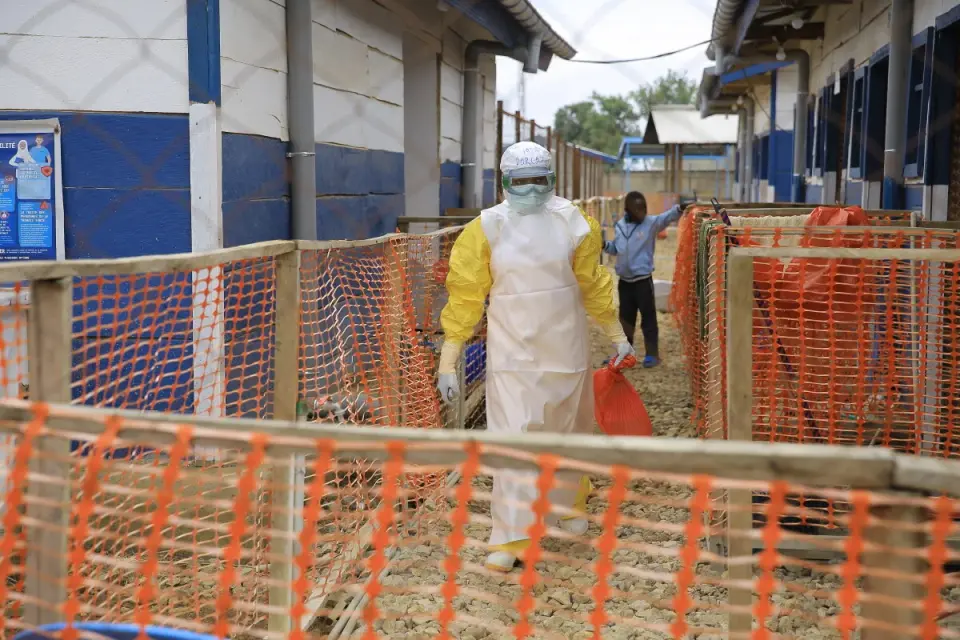
The Democratic Republic of Congo’s Ebola outbreak has expanded to its eighth province, Nord-Ubangi, with over 9,200 confirmed cases and 4,400 deaths. The crisis is driven by the rare Bundibugyo strain, which lacks an approved treatment, and is severely impacting children, who account for a quarter of deaths despite lower case numbers.
Key points
- The outbreak has spread to Nord-Ubangi, marking the eighth affected province in the DRC.
- Confirmed cases exceed 9,200, with deaths surpassing 4,400 as of mid-October 2026.
- Children represent over 25% of deaths, with a fatality rate of 60% compared to 40% for adults.
- Approximately 1,900 children have been separated from caregivers due to the disease.
- The Bundibugyo strain has no approved vaccine or treatment, though clinical trials are underway.
Background
This outbreak, caused by the rare Bundibugyo strain, began in mid-2026 and has surpassed previous DRC outbreaks in scale. Earlier reports indicated the epidemic peaked in September but has since continued to spread, with case counts rising from 7,000 in early September to over 9,000 by mid-October. The crisis has also led to cross-border cases in Uganda and Kenya.
How outlets are covering it
AP News highlights the geographic expansion to Nord-Ubangi, emphasizing the widening scope of the epidemic. CBC News focuses on the disproportionate impact on children, noting that while adults have more cases, children face a higher fatality rate and significant separation from caregivers. ABC News stresses the failure of containment efforts, citing conflict, mistrust, and supply shortages as key factors, and notes that confirmed cases likely represent only a third of total infections. All sources agree on the lack of approved treatments for the Bundibugyo strain and the severe humanitarian consequences, including the displacement of children and increased maternal deaths.
Why it matters
The expansion to a new province and the high mortality rate among children indicate a worsening public health emergency. The lack of approved treatments and the impact of conflict and mistrust on containment efforts suggest the outbreak may continue to grow, posing risks to regional stability and global health security.
What to watch
Health authorities are likely to focus on expanding treatment centers and improving contact tracing in the newly affected province. International organizations may increase aid and support for child-care centers and maternal health services. Clinical trials for a Bundibugyo vaccine will continue, but no approved treatment is expected in the near term.
- Congo’s fast-moving Ebola outbreak spreads to eighth province AP News
- Congo confirms Ebola outbreak has spread to eighth province Reuters
- 1 in 4 Ebola deaths are children in Democratic Republic of Congo's worst outbreak CBC
- Ebola Outbreak, DRC and Region, Situation Report #14 (October 13, 2026) ReliefWeb
- Congo's confirmed Ebola cases exceed 9,000 as containment efforts falter ABC News - Breaking News, Latest News and Videos
Want the full story? Read the original reporting
Read on AP News