
Congo Ebola Death Toll Surpasses 4,000 as Arson and Unpaid Strikes Hamper Response
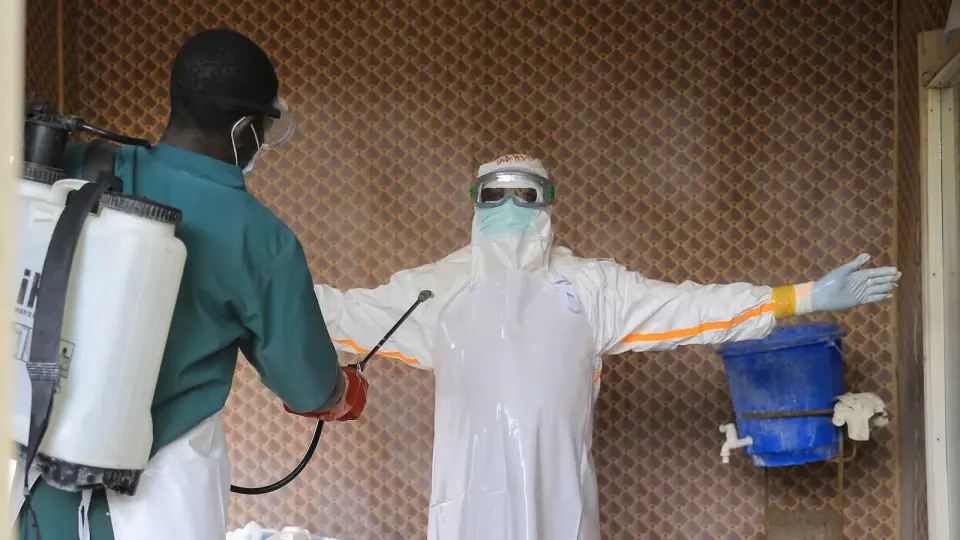
Congo's Bundibugyo Ebola outbreak has killed over 4,000 people, becoming the fastest-growing in history. Containment efforts are severely hindered by the arson of a treatment center, unpaid health worker strikes, and community mistrust. While mobile labs have improved testing speed, the outbreak remains on track to exceed the 2014-2016 West Africa crisis.
Key points
- The Health Ministry reported 4,018 deaths among 8,300 confirmed cases since the outbreak began on May 15.
- A displacement camp housing a transit center for infected patients was burned by soldiers in Kigonze, forcing 19,000 people to flee.
- Health workers in Ituri Province went on strike, demanding payment for wages owed since August and September.
- Mobile laboratories have reduced test result times from 72 hours to six hours, improving response in remote areas.
- A Médecins Sans Frontières worker was infected and evacuated to the Netherlands for isolation treatment.
Background
This outbreak, driven by the Bundibugyo strain, has been escalating since mid-2026. Previous reports in August and September indicated a rapid acceleration in cases and deaths, with the WHO warning it could surpass the 2014-2016 West Africa outbreak, which killed 11,000 people. Challenges such as unpaid strikes, rebel threats, and misinformation have persisted throughout the crisis, while no approved vaccine or treatment exists for the specific strain.
Why it matters
The failure to contain this outbreak threatens to become the deadliest in history, straining limited global health resources. The destruction of infrastructure and labor strikes highlight the fragility of emergency response systems in conflict zones, potentially leading to further international spread and humanitarian collapse.
What to watch
Authorities are attempting to stabilize the situation through a village-centered education approach, though this faces significant community resistance. The WHO and Africa CDC are monitoring the spread into new health zones, while efforts to secure funding and staff for new treatment centers continue amidst ongoing insecurity.
Want the full story? Read the original reporting
Read on ABC News - Breaking News, Latest News and Videos