
Congo Ebola Deaths Pass 5,000 as Bundibugyo Outbreak Spans Three African Regions
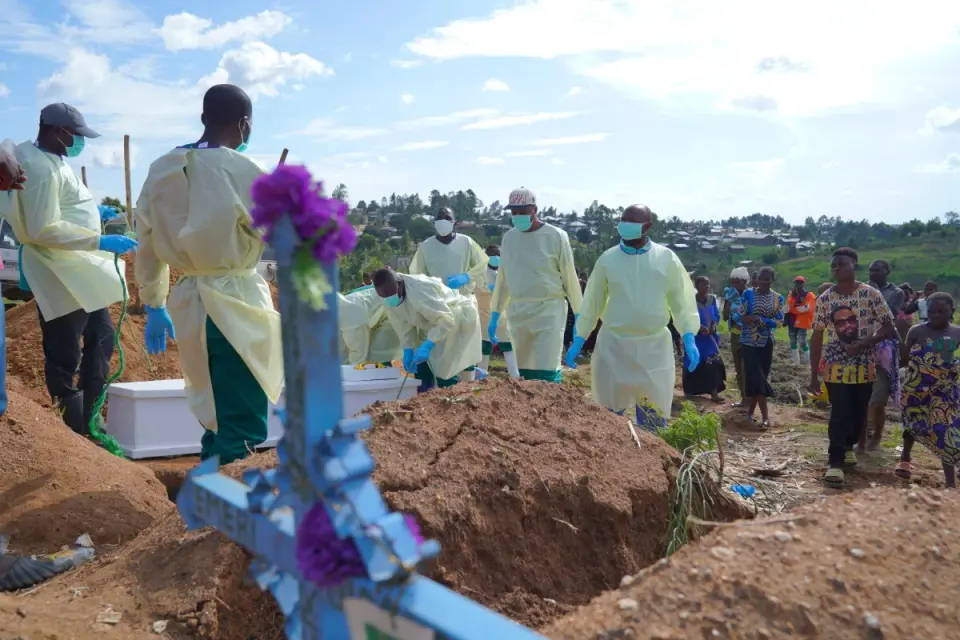
The Democratic Republic of Congo’s Ebola outbreak has surpassed 5,000 deaths and 10,000 cases, becoming the second deadliest in history. Caused by the Bundibugyo strain, which lacks an approved vaccine, the crisis has spread to Kenya, Uganda, and Nigeria. Containment efforts are hindered by armed conflict, community distrust, and unpaid health workers, while international funding remains significantly below pledged levels.
Key points
- DR Congo reported 5,026 deaths out of 10,351 confirmed cases, representing a nearly 50% lethality rate.
- The outbreak, caused by the Bundibugyo virus, has spread to 67 health zones across eight provinces, with Ituri and North Kivu serving as the primary epicenters.
- Cases have been confirmed in Kenya, Uganda, and Nigeria, marking the first time Ebola has affected three distinct African regions simultaneously.
- Approximately 80% of new cases originate from unmonitored transmission chains, and one-third of deaths occur outside treatment centers due to delayed care.
- Health workers in Ituri and North Kivu have staged strikes over four months of unpaid wages, while armed conflict and community mistrust impede response efforts.
Background
This outbreak is the 17th Ebola epidemic in DR Congo since the virus was identified. Previous coverage noted that case numbers had plateaued at 400-500 weekly, but the virus continues to spread undetected. The Bundibugyo strain was first detected in 2007 and has no licensed vaccine or treatment, though trials for the existing Ervebo vaccine are underway. The 2014-2016 West Africa outbreak remains the deadliest in history with 11,000 deaths.
How outlets are covering it
AP and NBC News emphasize the grim milestone of 5,000 deaths and the logistical failures in contact tracing. The Guardian highlights Africa CDC Director Jean Kaseya’s warning that the outbreak could reach the UK and other non-African nations, drawing parallels to the early stages of the COVID-19 pandemic. NPR focuses on the human impact, noting that one-third of victims are children under five, and critiques the slower international response compared to 2014, citing U.S. policy restrictions on healthcare workers and insufficient funding.
Why it matters
The geographic spread across three African regions signals a potential global pandemic risk. The lack of a specific vaccine and the collapse of local health infrastructure due to unpaid staff and conflict create a volatile environment. If transmission chains remain unmonitored, the outbreak could escalate beyond current containment capabilities, requiring massive international intervention and funding to prevent further cross-border spread.
What to watch
Africa CDC is convening a meeting of African health ministers to urge cross-border cooperation and entry screening. Kaseya will address African heads of state in November to demand a 'corridor of peace' in conflict zones. Vaccine trial results for the Ervebo vaccine are expected in three to six months, but immediate funding gaps of over $2 billion remain a critical barrier to containment.
- Congo’s Ebola deaths top 5,000 as fear of continent-wide spread mounts AP News
- Congo Ebola outbreak deaths top 5,000 as fear of continent-wide spread mounts NBC News
- Africa’s ‘unprecedented’ Ebola outbreak could reach UK, says top health official The Guardian
- The Ebola outbreak is breaking records — and just marked a grim milestone NPR
- Congo Ebola outbreak kills more than 5,000 Reuters
Want the full story? Read the original reporting
Read on AP News