
Congo’s Bundibugyo Ebola Outbreak Exceeds 11,000 Cases, 5,387 Deaths
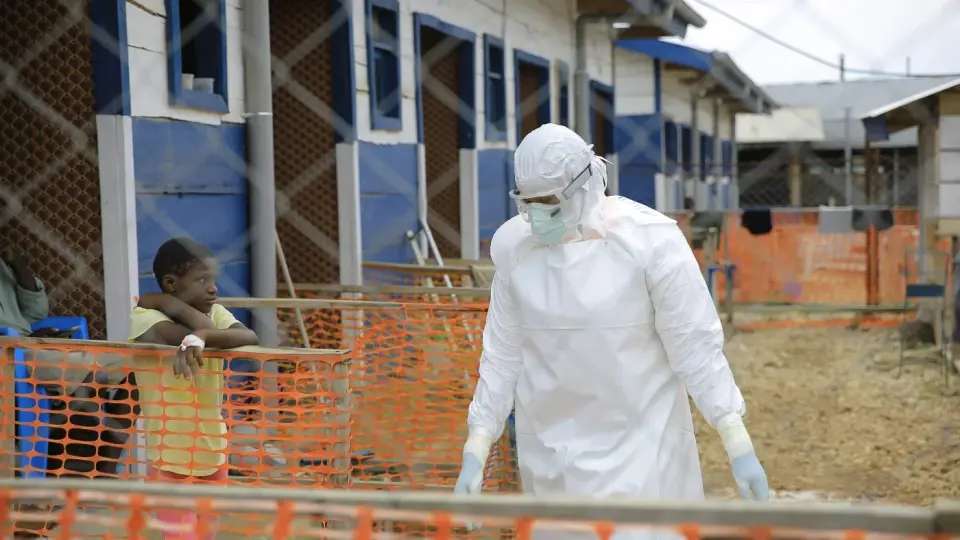
The Democratic Republic of Congo’s Ebola outbreak has surpassed 11,000 confirmed cases and 5,387 deaths, becoming the country’s deadliest epidemic. Caused by the Bundibugyo strain, which lacks an approved vaccine, the crisis is exacerbated by armed conflict, community mistrust, and a significant funding shortfall. While the virus has spread to eight provinces and neighboring countries, containment efforts remain hindered by logistical and security challenges.
Key points
- The outbreak, declared in mid-May 2026, has infected 11,042 people and killed 5,387, with a case fatality ratio of nearly 50%.
- The Bundibugyo virus, responsible for the outbreak, has no known vaccine or specific treatment, complicating containment efforts.
- Armed conflicts in Ituri and North Kivu provinces, along with community mistrust and misinformation, have severely hindered health workers’ access to affected areas.
- The outbreak has spread to eight of Congo’s 26 provinces, with Ituri and North Kivu being the most affected regions.
- A USD 59.8 million funding gap threatens the sustainability of surveillance and response efforts across the region, with nearly half of the shortfall concentrated in the DRC.
Background
This outbreak is the second-largest and second-deadliest Ebola epidemic on record, behind only the 2014-2016 West African outbreak. Previous coverage highlighted the rapid growth of the epidemic, with case numbers surpassing 10,000 in late October 2026. The Bundibugyo strain, first identified in 2007, has historically had high case fatality rates, and the current outbreak has seen a faster spread than previous epidemics due to delayed detection and strained health services.
How outlets are covering it
NPR and Al Jazeera emphasize the severity of the outbreak, highlighting the lack of a vaccine and the impact of armed conflict on containment efforts. The WHO provides detailed epidemiological data, noting the high case fatality ratio and the challenges in contact tracing. IOM focuses on the funding gap and the importance of surveillance at displacement sites and informal border crossings. All sources agree on the critical need for increased resources and cross-border cooperation to contain the outbreak.
Why it matters
The outbreak poses a significant regional and global health risk, with cases reported in neighboring countries like Kenya and Nigeria. The lack of a vaccine and the ongoing funding shortfall threaten the ability to control the epidemic, potentially leading to further international spread. Effective containment requires not only medical interventions but also addressing the underlying issues of conflict, mistrust, and resource allocation.
What to watch
The WHO has approved clinical trials for two new Bundibugyo vaccines, with results expected in early 2027. Health authorities are calling for a halt to armed conflicts to allow unrestricted access for health workers. Continued surveillance and contact tracing are critical, particularly in provinces below the 95% contact tracing threshold. International funding and cooperation are essential to sustain response efforts and prevent further spread.
- Ebola tops 11,000 cases in Congo's deadliest outbreak NPR
- Ebola cases in DR Congo pass 11,000, with 5,387 deaths Al Jazeera
- Ebola disease caused by Bundibugyo virus, Democratic Republic of the Congo, Kenya and Nigeria World Health Organization (WHO)
- 71 Ebola Cases Detected on DRC Routes as Funding Gap Risks Outbreak Remaining Out of Control, IOM Warns International Organization for Migration
- Congo's Ebola cases surpass 11,000, government data show Reuters
Want the full story? Read the original reporting
Read on NPR