
Congo's Ebola Crisis Reaches 2,000 Deaths in Record-Breaking Surge
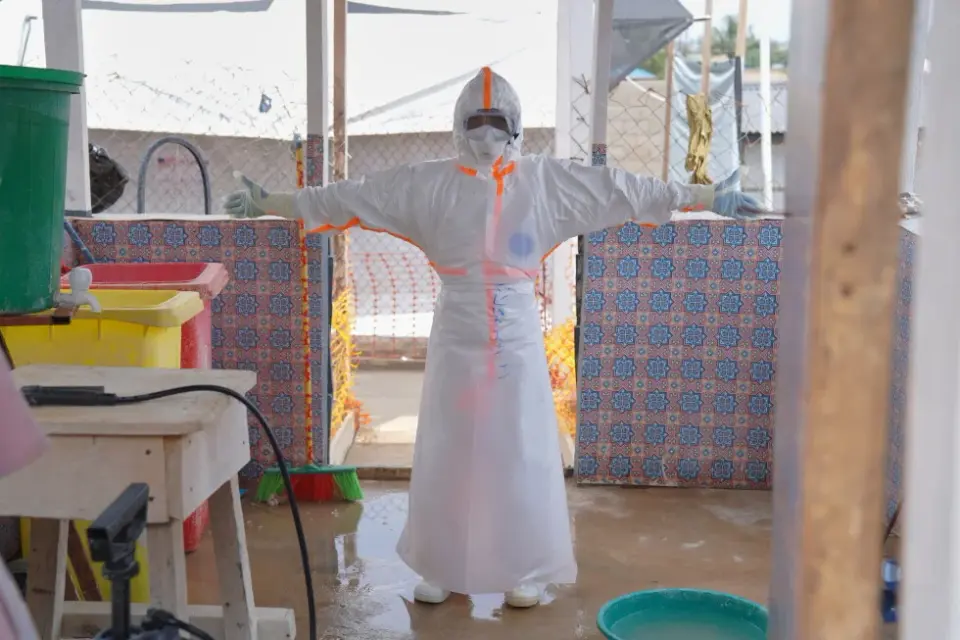
The Democratic Republic of the Congo has confirmed that its current Ebola outbreak has resulted in 2,000 deaths, marking the fastest-growing epidemic in recorded history. The crisis is driven by the Bundibugyo virus, which lacks approved vaccines or treatments, and is concentrated in the eastern province of Ituri. With a fatality rate approaching 46%, the outbreak has outpaced previous records, reaching this grim milestone in approximately two months.
Key points
- The DRC reports 2,000 deaths and 4,381 confirmed cases from the Bundibugyo Ebola virus.
- This outbreak is the fastest-growing on record, surpassing 1,000 deaths in roughly two months.
- The fatality rate stands at approximately 45.9%, significantly higher than earlier estimates.
- The epidemic is primarily confined to five eastern provinces, with Ituri serving as the epicenter.
- Response efforts are hindered by rebel conflict, poor infrastructure, and worker strikes.
Background
The current crisis follows a rapid escalation documented in July 2026, when the Bundibugyo virus strain first emerged as a record-breaking threat. Unlike the 2014-2016 West African outbreak, this epidemic is geographically concentrated near the Ugandan border but faces unique challenges due to the absence of approved medical countermeasures. Previous reports indicated that while global risk remains low, the local risk in eastern Congo is very high, with neighboring Uganda declaring itself Ebola-free despite border proximity.
Why it matters
The speed and severity of this outbreak highlight the critical vulnerability of regions lacking approved vaccines for emerging viral strains. The high fatality rate and transmission outside monitored contacts suggest that traditional containment strategies are failing, potentially setting a dangerous precedent for future public health emergencies in conflict-affected areas.
What to watch
Health authorities are continuing vaccine trials for the Bundibugyo strain, though enrollment remains limited. International assistance, including experts from Uganda, is being deployed to border regions to support surveillance and treatment center operations. The focus remains on expanding local laboratory capacity and addressing community mistrust to slow transmission.
Want the full story? Read the original reporting
Read on AP News