
DRC officials declare Bundibugyo Ebola outbreak peaked as daily infections drop to 80
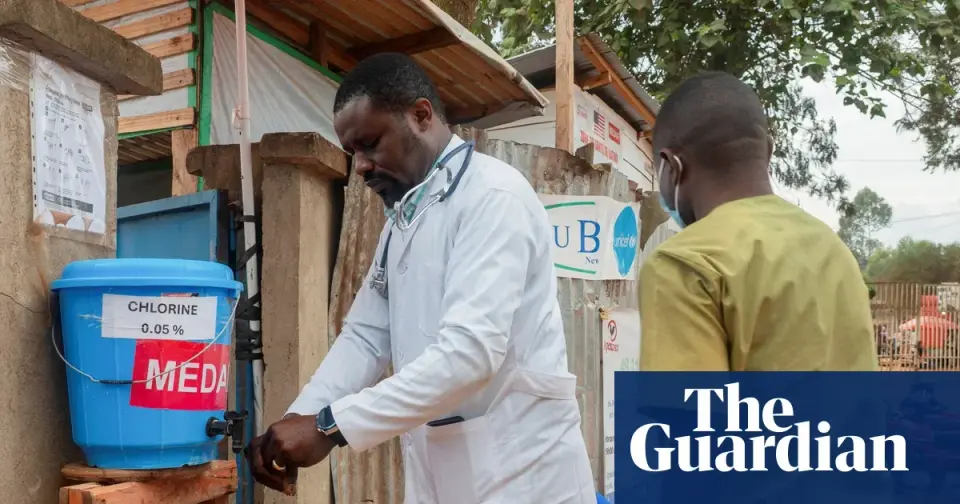
Authorities in the Democratic Republic of the Congo (DRC) announced that the Bundibugyo Ebola outbreak has reached its peak, with daily new cases declining from 120 to 80. As of September 14, the epidemic has confirmed over 7,200 cases and 3,475 deaths across six provinces. While officials cite slowing transmission and the removal of several health zones from active lists, critics and international bodies warn that contact tracing remains insufficient and data transparency is lacking to confirm true containment.
Key points
- DRC Health Minister Samuel Roger Kamba stated the outbreak peaked in the third week of August, with daily cases falling from 120 to 80.
- As of September 14, the DRC reported 7,200 confirmed cases and 3,475 deaths, with a case-fatality ratio of approximately 48%.
- The outbreak, declared on May 15, is the 17th Ebola epidemic in the DRC and the largest ever recorded in the country.
- Six health zones have been removed from the active list after exceeding 21 or 42 days without new cases.
- No approved treatment or vaccine exists for the Bundibugyo variant, though clinical trials and Ervebo vaccination for frontline workers are ongoing.
- The virus has spread to a seventh province, South-Ubangi, bordering the Central African Republic and Congo-Brazzaville.
Background
The current Bundibugyo outbreak began in May 2026 in Ituri province, a region marked by armed conflict and weak health infrastructure. Previous coverage noted that the epidemic was declared a global health emergency in August after surpassing 5,000 cases. Experts have long warned that late detection and limited access to care drive high mortality, with the case-fatality ratio rising from 46% in August to 48% by September. The outbreak has also caused a brief spillover into Uganda, though the current focus remains on the DRC's six affected provinces.
How outlets are covering it
The DRC government, via Health Minister Samuel Roger Kamba and Communication Minister Patrick Muyaya, emphasizes that transmission has slowed and the outbreak is under control, citing a drop in daily cases and the removal of health zones from active surveillance. In contrast, MP Iracan Gratien de Saint-Nicolas criticizes this optimism, arguing that the government has omitted key indicators like sustained case declines and high contact-tracing rates, and calls for greater data transparency. The World Health Organization (WHO) maintains a cautious stance, noting that while the DRC risk is 'very high,' cross-border risks remain 'high' due to informal border crossings and ongoing community transmission. CIDRAP highlights that contact-tracing rates hover at 88%, which is still too low for effective transmission control, and notes that 60-70% of deaths occur in communities where surveillance is weakest. Al Jazeera reports on community anxiety, particularly in schools in Bunia, where parents fear undetected cases among children despite new hygiene measures.
Why it matters
The Bundibugyo variant lacks approved treatments or vaccines, making containment reliant on surveillance and contact tracing in conflict-affected areas. With 48% of cases resulting in death and transmission still active in 51 health zones, the outbreak poses a significant regional risk. The DRC's claim of a peak may influence resource allocation and international support, but without verified indicators, the risk of resurgence or cross-border spread to neighboring countries like Uganda, Central African Republic, and Congo-Brazzaville remains high. The situation underscores the challenges of managing viral outbreaks in regions with limited health infrastructure and ongoing insecurity.
What to watch
DRC authorities will continue to monitor the 10 health zones that have not reported cases in 21 days, with plans to remove them from active lists if the trend continues. WHO and partners will maintain cross-border surveillance and support for the PARTNERS clinical trial, which has enrolled over 300 patients. The government is expected to publish more detailed data on transmission indicators to address public skepticism. Ervebo vaccination for frontline workers will continue, though its efficacy against Bundibugyo remains unproven. Community engagement efforts will focus on schools and high-risk areas in Ituri to prevent new transmission chains.
- Ebola outbreak in DRC has peaked, say authorities, as infection rates slow The Guardian
- Ebola outbreak in DR Congo grows to 7,200 cases as government officials suggest transmission has peaked CIDRAP
- Ebola disease caused by Bundibugyo virus - Democratic Republic of the Congo World Health Organization (WHO)
- DR Congo��s worst Ebola epidemic ever passes 7,000 cases Al Jazeera
- Outbreaks and violence make daily life a struggle in eastern DR Congo Doctors Without Borders
Want the full story? Read the original reporting
Read on The Guardian