
DRC Ebola Outbreak Crosses 6,000 Cases as Bundibugyo Strain Spreads to 60 Zones
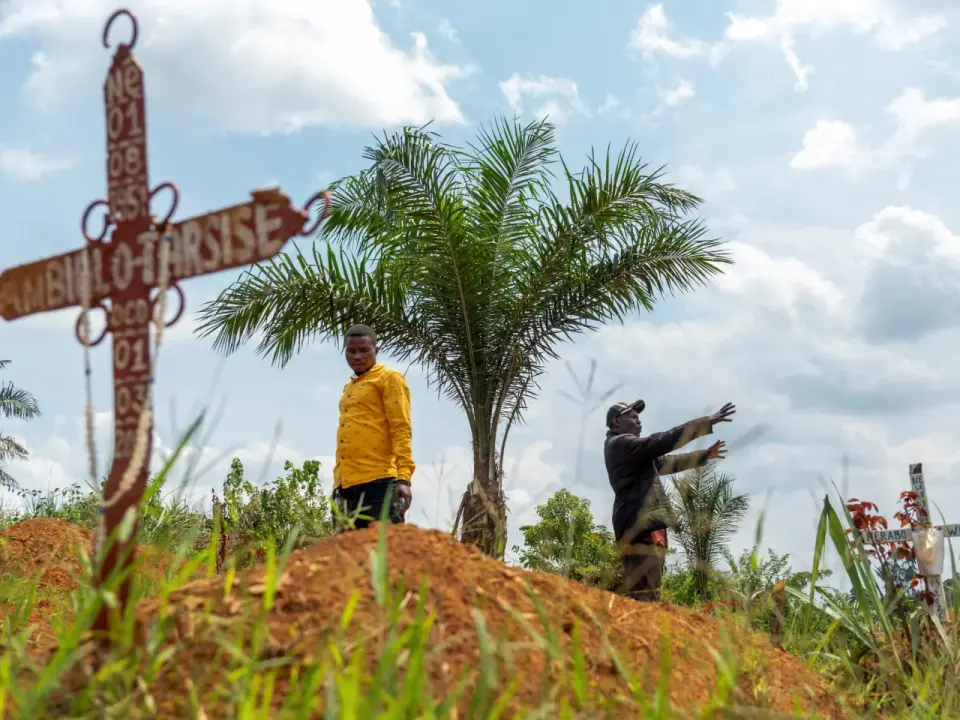
The Democratic Republic of Congo (DRC) has recorded over 6,000 confirmed Ebola cases and nearly 3,000 deaths, marking the deadliest outbreak in the nation's history. The crisis, driven by the rare Bundibugyo strain, has expanded to 60 health zones across six provinces. With no approved vaccine or treatment available, the situation is complicated by armed conflict, unpaid healthcare workers, and a case fatality ratio exceeding 48%.
Key points
- The DRC Ministry of Communications confirmed 6,041 cases, including 2,911 deaths and 1,366 recoveries, as of late August 2026.
- The outbreak is caused by the Bundibugyo virus, for which there is currently no licensed vaccine or specific antiviral treatment.
- The epidemic has spread to 60 health zones across six provinces, with Ituri province serving as the primary epicenter.
- The case fatality ratio stands at 48.1%, with North Kivu province reporting a higher rate of 68%.
- Uganda was declared free of the virus on August 28 after 42 days without new cases, though cross-border transmission risks remain.
Background
This outbreak, first declared in May 2026, has progressed rapidly from earlier surges that topped 2,000 deaths in August. It is the second documented Bundibugyo outbreak in the DRC and the largest Ebola epidemic in the country's history, surpassing previous records set by the 2014-2016 West Africa crisis.
How outlets are covering it
Al Jazeera and the World Health Organization (WHO) both emphasize the unprecedented speed of the outbreak, with UN Secretary-General Antonio Guterres calling it the 'fastest-spreading Ebola epidemic ever recorded.' While Al Jazeera highlights the lack of approved treatments as a primary barrier, the WHO provides granular data on the geographic expansion, noting that 81 new cases were reported in just 24 hours across 19 health zones. Doctors Without Borders (MSF) adds a distinct perspective, pointing to logistical failures such as airport closures and a healthcare worker strike in early August as critical factors complicating the response. AP News corroborates the case count but offers limited additional analysis, while ABC News provided no usable content due to a technical error.
Why it matters
The lack of a specific vaccine for the Bundibugyo strain, combined with the high mortality rate and rapid geographic spread, poses a severe threat to regional stability. The outbreak's expansion into conflict-affected areas with high displacement rates increases the risk of international transmission, particularly to neighboring countries like the Central African Republic and South Sudan, despite current low global risk assessments.
What to watch
Health authorities are initiating a clinical trial for the Ervebo vaccine, though its efficacy against the Bundibugyo strain is unproven. A separate treatment trial, known as the PARTNERS trial, has enrolled over 250 patients in Ituri province. Continued surveillance and cross-border collaboration are essential to prevent further regional spread, as the 42-day monitoring period for Uganda and France has concluded.
- Over 6,000 Ebola cases confirmed in DRC as death toll nears 3,000 Al Jazeera
- Ebola disease caused by Bundibugyo virus - Democratic Republic of the Congo World Health Organization (WHO)
- Congo authorities report more than 6,000 confirmed Ebola cases and nearly 3,000 deaths AP News
- More than 6,000 people infected with Ebola in Congo, government figures show Reuters
- Ebola outbreak in eastern Congo spreads to 2 new health zones with a total of 60 areas now affected ABC News - Breaking News, Latest News and Videos
Want the full story? Read the original reporting
Read on Al Jazeera