
Guinea-Bissau Police Seize Vaccines in Raid on US-Funded Trial
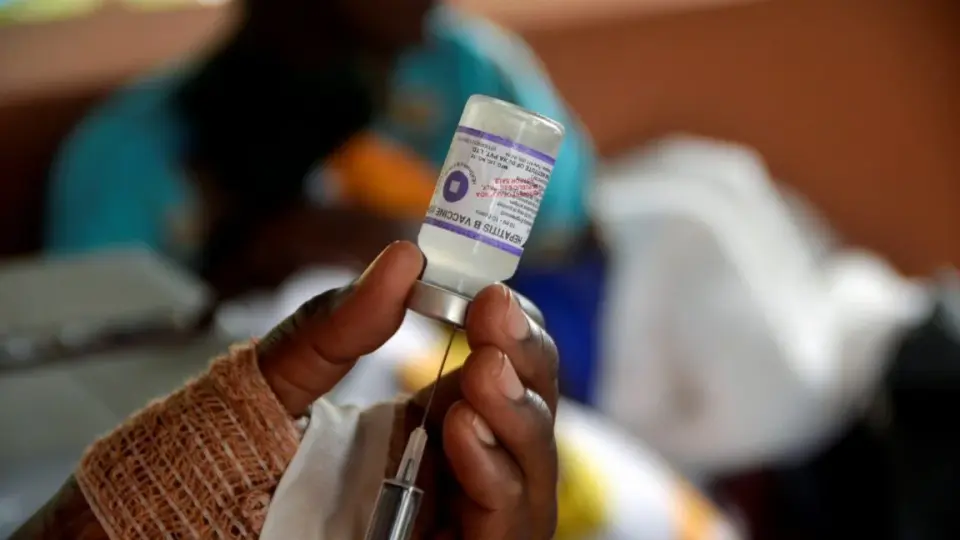
Guinea-Bissau judicial police raided the offices of the Bandim Health Project on Monday, seizing doses of hepatitis B vaccine intended for a controversial clinical trial. The study, which would withhold birth-dose vaccines from 7,000 newborns, has been condemned as unethical by international health experts. Although the University of Southern Denmark approved the trial under budget pressure, Guinea-Bissau’s health minister denies authorizing it. The raid marks a significant escalation in a dispute involving US funding, Danish researchers, and local public health priorities.
Key points
- Guinea-Bissau police seized hepatitis B vaccines from Bandim Health Project offices on Monday as part of an investigation.
- The CDC awarded an unsolicited $1.6 million grant to the researchers, matched by private foundations for a total of $3.2 million.
- The trial design would deny the birth-dose vaccine to 7,000 infants in a country with high hepatitis B prevalence, risking lifelong infection.
- The University of Southern Denmark approved the trial on October 7, despite ethical concerns and resignations from committee members.
- Guinea-Bissau’s health minister, Quinhin Nantote, denied authorizing the trial, stating it must comply with national and international ethical standards.
Background
The controversy stems from a clinical trial led by Peter Aaby and Christine Stabell Benn of the Bandim Health Project, which aims to investigate potential harms of the hepatitis B birth dose. The trial was initially halted in January due to widespread condemnation but was revived in September as CDC funds were set to expire. The researchers are allies of US Health Secretary Robert F. Kennedy Jr., who has praised their work despite their controversial stance on vaccine safety. The trial has drawn comparisons to unethical HIV trials in Africa in the 1990s, raising concerns about exploitation of vulnerable populations.
How outlets are covering it
Ars Technica and The Guardian emphasize the ethical concerns and the role of US funding in reviving the trial, noting that the CDC awarded an unsolicited grant. Rolling Stone highlights the pressure on the Danish ethics committee due to expiring funds, leading to a rushed approval process. Tomorrow's Affairs frames the incident within the broader context of US bilateral health agreements with African countries, noting resistance from nations like Zambia and Zimbabwe over data and specimen sharing requirements. All sources agree that the trial is controversial and that Guinea-Bissau has not authorized it, but they differ in emphasis: Ars and The Guardian focus on the ethical implications, Rolling Stone on the procedural issues, and Tomorrow's Affairs on the geopolitical context.
Why it matters
The raid underscores the tensions between US health policy, Danish researchers, and local public health priorities in a fragile nation. It highlights the ethical challenges of conducting clinical trials in low-income countries and the potential for exploitation. The incident also raises questions about the role of US funding in global health research and the need for robust ethical oversight to protect vulnerable populations.
What to watch
The trial is not moving forward as Guinea-Bissau officials have not signed off on it. The police investigation into the seized vaccines may lead to further scrutiny of the researchers' activities. The CDC and Guinea-Bissau’s Ministry of Public Health have not responded to requests for comment, and the future of the trial remains uncertain. The incident may also influence the terms of future US bilateral health agreements with African countries, as nations push back against data and specimen sharing requirements.
- Cops raid office of RFK Jr. allies planning “unethical” vaccine trial on babies Ars Technica
- RFK Jr’s ‘deities of vaccine research’ raided by police in Guinea-Bissau The Guardian
- How a Controversial Hepatitis B Study Was Funded by the CDC Amid a Global Swirl of Criticism Rolling Stone
- Africa pushes back against US health and aid agenda Tomorrow's Affairs
- Guinea-Bissau Hepatitis B Vaccine Trial: Birth-Dose Concerns and Research Ethics Infection Control Today
Want the full story? Read the original reporting
Read on Ars Technica