
Nigeria Confirms First Ebola Case in West Africa as Bundibugyo Outbreak Expands
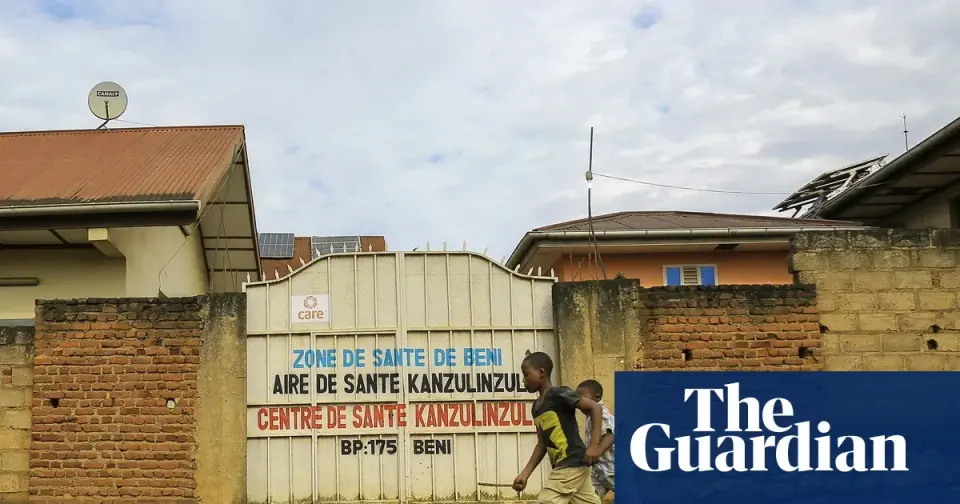
Nigeria has confirmed its first Ebola case in over a decade, marking the first West African infection linked to the current East African outbreak. The patient, a woman who traveled from Uganda, was diagnosed in Abuja after showing symptoms in early October. Health authorities are tracing 44 contacts as the Bundibugyo strain, which has killed over 4,600 people in the DRC, continues to spread across the continent.
Key points
- Nigeria confirmed an Ebola case in Abuja involving a woman who arrived from Uganda and showed symptoms on 7 October.
- Health Minister Muhammad Pate stated that 44 close contacts of the patient have been identified for tracing and isolation.
- Uganda’s health ministry clarified that the patient only transited through the country and that Uganda has no active Ebola cases.
- The current outbreak is caused by the rare Bundibugyo strain, which has no approved vaccine or treatment.
- The DRC outbreak has recorded over 9,500 cases and 4,600 deaths, making it the most geographically extensive in history.
Background
This development follows a rapid expansion of the Bundibugyo Ebola outbreak, which began in the DRC in May 2026. By September, the virus had spread to seven provinces in the DRC, with case counts exceeding 7,000. In October, Kenya reported its first imported cases, and Uganda declared itself free of the virus in August after its last patient was discharged. Nigeria had established an Ebola taskforce in June and stepped up surveillance in early October following the detection of cases in neighboring regions. The current outbreak is on track to exceed the 2014-2016 West African epidemic in terms of total deaths.
How outlets are covering it
The Guardian and BBC both confirm the diagnosis in Abuja and the identification of 44 contacts. The Guardian notes that the patient’s nationality was not disclosed by Nigerian authorities, while the BBC emphasizes that Nigeria is the first West African state to report a case linked to the current crisis. Both outlets highlight the lack of an approved vaccine for the Bundibugyo strain. The Guardian cites Africa CDC director Jean Kaseya calling the threat 'extremely serious' due to the 50% fatality rate, while the BBC notes the US has raised travel advisories for Kenya due to health risks. Uganda’s ministry, as reported by the Guardian, insists that transit through its territory does not imply infection occurred there, a point not emphasized by the BBC.
Why it matters
The confirmation of an Ebola case in Nigeria, Africa’s most populous country, signals a significant geographic expansion of the Bundibugyo strain into West Africa. With no approved vaccine or treatment for this specific virus, the risk of rapid transmission is high. The outbreak has already killed over 4,600 people in the DRC and is described by health officials as the most geographically extensive in history. This development underscores the challenges of containing the virus across borders and highlights the need for robust surveillance and contact tracing in West African nations.
What to watch
Nigerian health authorities will continue to trace and monitor the 44 identified contacts of the confirmed case. The Nigeria Centre for Disease Control is expected to maintain heightened surveillance and public health advisories for travelers. International health bodies, including the WHO and Africa CDC, will likely monitor the situation closely for further spread. The search for the location of the patient’s initial exposure remains ongoing, as it is unclear whether infection occurred in the DRC, Uganda, or elsewhere.
- Nigeria confirms Ebola case as outbreak spreads into western Africa The Guardian
- Nigeria Announces First Case of Ebola in Current Outbreak The New York Times
- Nigeria confirms an Ebola case in Abuja as a woman arriving from Uganda tests positive NPR
- Nigeria confirms Ebola case linked to East Africa BBC
- Nigeria records its first Ebola case DW.com
Want the full story? Read the original reporting
Read on The Guardian