
WorldAtlas Ranks Top 10 U.S. State Parks by Tick-Borne Illness Risk
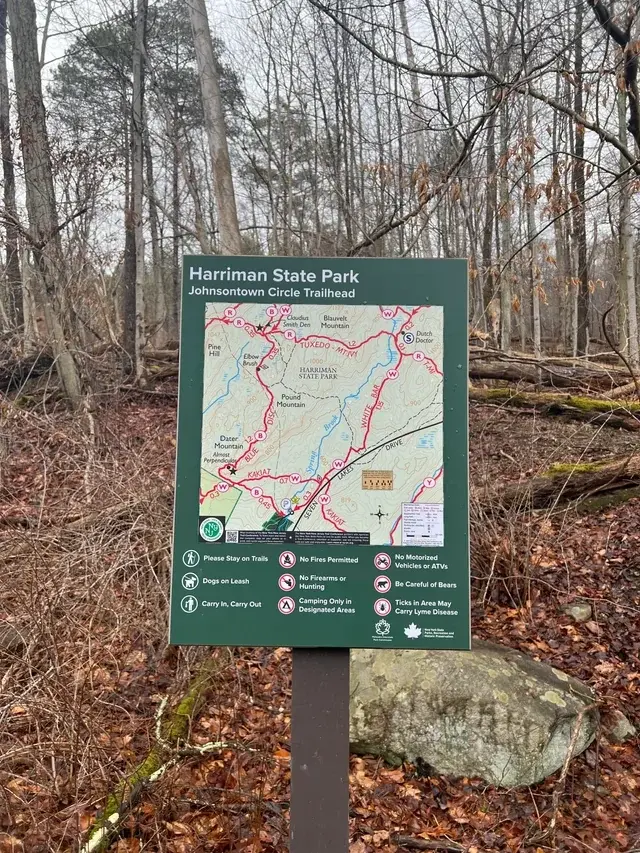
WorldAtlas has released a ranking of the ten U.S. state parks with the highest risk of tick-borne illnesses, driven by dense tick habitats and high visitor volumes. Harriman State Park in New York ranks third, following Pine Grove Furnace in Pennsylvania and Green Lakes in New York. The list highlights parks in the Northeast, mid-Atlantic, and upper Midwest where deer, mice, and infected blacklegged ticks overlap. While the primary source from VINnews only provided the headline, secondary sources detail the rankings and prevention strategies, emphasizing that these parks remain accessible if visitors use protective measures.
Key points
- WorldAtlas ranked 10 state parks by tick-borne disease severity, with Pine Grove Furnace (PA), Green Lakes (NY), and Harriman (NY) occupying the top three spots.
- Harriman State Park, spanning 46,000 acres in Rockland and Orange counties, faces high risk due to large deer populations and heavy foot traffic from the New York City area.
- New York averages over 17,500 new Lyme disease cases annually, with pathogens for Lyme, anaplasmosis, babesiosis, and Powassan virus detected in local blacklegged ticks.
- Other high-risk parks include Round Valley Reservoir (NJ), Devil’s Lake (WI), Jay Cooke and Itasca (MN), Starved Rock and Mississippi Palisades (IL), and Ridley Creek (PA).
- Prevention recommendations include using 20-30% DEET repellent, wearing long sleeves and pants, staying on cleared trails, and heat-treating clothing after hikes.
Background
This ranking follows recent reports of rising tick-borne illnesses in the Northeast, including a 145% jump in tick submissions to SUNY labs in New York and the first confirmed Bourbon virus case in the state. Earlier coverage also highlighted tularemia cases on Long Island, underscoring the broader public health concern regarding tick exposure in recreational areas near major population centers.
How outlets are covering it
The WorldAtlas article provides a comprehensive ranking and detailed prevention advice, citing specific research from SUNY Upstate Medical University and personal accounts of misdiagnosed Lyme disease. The Bergen Record focuses on the New Jersey implications, highlighting Round Valley Reservoir’s fourth-place ranking and the state’s high Lyme disease rates, while noting the severe impact on a local musician. The VINnews source only confirms the headline regarding Harriman State Park’s inclusion, offering no additional details, which contrasts with the depth provided by the other outlets.
Why it matters
As tick-borne diseases like Lyme, anaplasmosis, and babesiosis continue to rise in the Northeast and upper Midwest, understanding high-risk recreational areas is crucial for public health. The ranking helps hikers and families prioritize protective measures, such as repellent use and post-hike checks, to prevent infections that can lead to long-term health complications if left untreated.
What to watch
Health agencies will likely continue to monitor tick populations and disease reporting in these high-risk parks. Visitors are encouraged to adopt the recommended layered prevention approach, including regular body checks and prompt medical consultation for symptoms like rashes or fevers after outdoor activities.
- Harriman State Park Among Nation’s Top Tick-Borne Illness Hotspots VINnews
- New Jersey park among top in the nation for tick-borne illnesses News12 | New Jersey
- The State Parks With The Most Tick-Borne Illness WorldAtlas
- These 2 NY state parks rank among the nation's worst for ticks Lohud
- NJ state park ranks among nation's top tick-borne illness hotspots Bergen Record
Want the full story? Read the original reporting
Read on VINnews