Tag

Tick Borne Illness

All articles tagged with #tick borne illness

Alpha-Gal Syndrome Cases Surge on Nantucket as Lone Star Ticks Expand North
health6 days ago

Alpha-Gal Syndrome Cases Surge on Nantucket as Lone Star Ticks Expand North

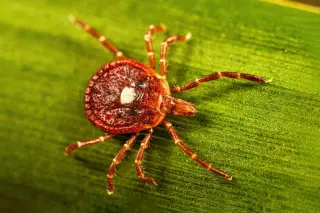
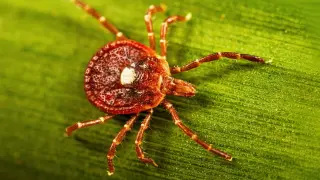
Nantucket Cottage Hospital recorded 57 alpha-gal syndrome (AGS) cases in three months, more than double the total for the previous two years. This spike follows the northward migration of the Lone Star tick, driven by warming climates. While Martha’s Vineyard has seen hundreds of positive tests, Nantucket’s numbers remain lower but are rising sharply. Connecticut is launching a study to track AGS prevalence, and the military is addressing the condition as a threat to readiness. Experts note that many positive tests do not result in symptoms, and no cure exists.

Pennsylvania woman diagnosed with alpha-gal syndrome after backyard tick bite
health12 days ago

Pennsylvania woman diagnosed with alpha-gal syndrome after backyard tick bite

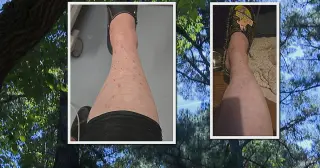
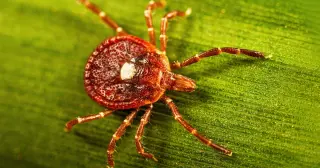
A Ross Township woman was diagnosed with alpha-gal syndrome after a tick bite in her backyard, highlighting the expanding range of the lone star tick in southwestern Pennsylvania. The condition causes a delayed allergic reaction to mammal meats, and while rare in the region, it is increasingly recognized. Experts urge vigilance and preventive measures against ticks.

Alpha-gal syndrome: A growing tick-borne meat allergy with potential heart risks
health1 month ago

Alpha-gal syndrome: A growing tick-borne meat allergy with potential heart risks

Alpha-gal syndrome, a tick-borne allergy to red meat and other animal products, is affecting up to 450,000 people in the U.S. and may increase heart disease risk. The condition, triggered by a sugar molecule in mammal meat, causes delayed allergic reactions and is spreading as tick habitats expand. Experts call for more research, better diagnosis, and legislation to label alpha-gal as a major food allergen.

Chatham County woman survives sepsis after tick bite, dog bacteria complicate diagnosis
health1 month ago

Chatham County woman survives sepsis after tick bite, dog bacteria complicate diagnosis

A Chatham County woman, Ronnie Dunn, survived a severe illness characterized by sepsis, hearing loss, and a spreading rash after finding an engorged tick on her head in August. While doctors suspected Rocky Mountain spotted fever (RMSF), her bloodwork also showed antibodies for ehrlichiosis and the presence of Capnocytophaga canimorsus, a bacterium often found in dog saliva. Dunn’s case highlights the diagnostic challenges of tick-borne diseases in North Carolina, where antibody tests can cross-react and remain positive for years. She remains in recovery, taking steroids for swelling and experiencing significant weight loss, while urging others to seek immediate medical attention for tick bites.

New York Case Highlights Diagnostic Confusion as Lone Star Ticks Expand North
health1 month ago

New York Case Highlights Diagnostic Confusion as Lone Star Ticks Expand North

A recent case in New York involving an 8-year-old girl illustrates the growing difficulty in distinguishing Southern Tick-Associated Rash Illness (STARI) from Lyme disease. The child developed a bull’s-eye rash, fever, and muscle pain after a tick bite in June 2025. Initially treated for Lyme, she recovered fully, but the tick was later identified as a lone star tick, leading to a STARI diagnosis. As this species expands into the Northeast, where blacklegged ticks are already common, doctors warn that visual symptoms are too similar to allow reliable differentiation without specific lab tests.

Chinese Study Identifies New Tick-Borne Virus Linked to Liver Injury and Low Platelets
health1 month ago

Chinese Study Identifies New Tick-Borne Virus Linked to Liver Injury and Low Platelets

Researchers in China have identified a previously unknown tick-borne virus, the Asian longhorned tick nairovirus (ALTNV), which causes flu-like symptoms, reduced blood platelets, and liver inflammation. Published in the New England Journal of Medicine, the study found ALTNV in 10.4% of over 3,000 patients with tick bites. While the virus alone was not linked to severe bleeding or death, co-infection with another virus, Dabie bandavirus (DBV), resulted in higher mortality and kidney complications. Experts emphasize that while the specific Asian longhorned tick is not yet in the U.S., other local ticks carry various pathogens, making prompt removal and preventive measures critical for all populations.

Illinois Parks Rank High in National Tick Risk Amid Alpha-Gal Surge
health-and-wellness1 month ago

Illinois Parks Rank High in National Tick Risk Amid Alpha-Gal Surge

Starved Rock and Mississippi Palisades state parks in Illinois have been identified as among the highest-risk locations in the United States for tick-borne diseases. The rankings, published by World Atlas, cite dense woodlands and high visitor numbers as key factors. Concurrently, Illinois is experiencing a rise in alpha-gal syndrome, a meat allergy triggered by lone star tick bites, prompting health officials to monitor the growing threat.

Pfizer’s Lyme Vaccine Shows 70% Efficacy as Human Prevention Efforts Accelerate
health1 month ago

Pfizer’s Lyme Vaccine Shows 70% Efficacy as Human Prevention Efforts Accelerate

Pfizer has released data indicating its four-dose Lyme disease vaccine is over 70% effective, marking a significant step toward human prevention after decades of absence. While the US currently lacks licensed human vaccines, rising tick populations and climate change have increased infection rates to an estimated 476,000 cases annually. The new candidate targets the OspA protein, aiming to neutralize bacteria within the tick before transmission. Although the trial involved over 9,400 participants, fewer infections occurred than expected, limiting statistical conclusiveness. Pfizer plans to submit the vaccine for regulatory approval, while other firms like Moderna and Tarsus Pharmaceuticals advance alternative vaccines and oral medications. Experts emphasize that while current prevention methods like protective clothing remain effective, they are often impractical for daily use, highlighting the potential public health benefit of accessible medical interventions.

Martha's Vineyard Launches First Long-Term Alpha-Gal Study Amid Regional Spike
health1 month ago

Martha's Vineyard Launches First Long-Term Alpha-Gal Study Amid Regional Spike

Martha's Vineyard Hospital has launched the first long-term longitudinal study on alpha-gal syndrome, a tick-borne allergy to mammalian products. The two-year project will track 300 island residents to determine why some develop the condition after lone star tick bites while others do not. This initiative responds to a sharp rise in cases across Cape Cod and Martha's Vineyard, where symptoms like hives and anaphylaxis have become increasingly common. Researchers aim to identify biological and environmental risk factors to improve future diagnosis and patient care.

Green Lakes State Park ranks second nationally for tick-borne illness risk
health-and-environment1 month ago

Green Lakes State Park ranks second nationally for tick-borne illness risk

Green Lakes State Park in Onondaga County, New York, has been ranked second in the nation for tick-borne illness concerns by WorldAtlas. The ranking is based on regional Lyme disease data, research, and firsthand reports, not direct case counts. New York State Health Commissioner Dr. Jim McDonald noted nearly 23,000 Lyme disease cases in the state last year (excluding NYC), highlighting a rising trend. Health experts urge routine tick checks, repellent use, and light-colored clothing for outdoor visitors.

WorldAtlas Ranks Top 10 U.S. State Parks by Tick-Borne Illness Risk
health-and-environment2 months ago

WorldAtlas Ranks Top 10 U.S. State Parks by Tick-Borne Illness Risk

WorldAtlas has released a ranking of the ten U.S. state parks with the highest risk of tick-borne illnesses, driven by dense tick habitats and high visitor volumes. Harriman State Park in New York ranks third, following Pine Grove Furnace in Pennsylvania and Green Lakes in New York. The list highlights parks in the Northeast, mid-Atlantic, and upper Midwest where deer, mice, and infected blacklegged ticks overlap. While the primary source from VINnews only provided the headline, secondary sources detail the rankings and prevention strategies, emphasizing that these parks remain accessible if visitors use protective measures.

Long Island Tularemia Cases Prompt Tick-Borne Warning Near NYC
health2 months ago

Long Island Tularemia Cases Prompt Tick-Borne Warning Near NYC

Suffolk County officials report three probable tularemia cases on Long Island this year, including a 9-year-old bitten by a tick; the rare disease, caused by Francisella tularensis, is zoonotic and can spread from animals to humans. Transmission occurs via ticks and deer flies, contact with infected wildlife, or contaminated water, with symptoms varying by infection site. While still uncommon, CDC data suggest rising reported cases due to improved detection (PCR) and awareness. Treatment is antibiotics and there is no vaccine. Those who hunt or interact with rabbits should seek medical care if symptoms develop.

New York Sees First Bourbon Virus Case, Highlighting Hidden Tick Danger
health2 months ago

New York Sees First Bourbon Virus Case, Highlighting Hidden Tick Danger

A Long Island man’s 2021 tick bite led to the first identified Bourbon virus case in New York, diagnosed in 2026 after years of debilitating symptoms and an initial misdiagnosis as Lyme disease. Bourbon virus is rare and untreatable, with limited testing and only a few confirmed cases and deaths historically. There is no vaccine or specific cure; patients receive supportive care, and prevention hinges on avoiding tick bites and tick-proofing outdoor spaces. The case underscores that Bourbon virus may be underdiagnosed in regions with dense Lone Star tick populations.