
Ten US State Parks Face Highest Tick-Borne Disease Risks
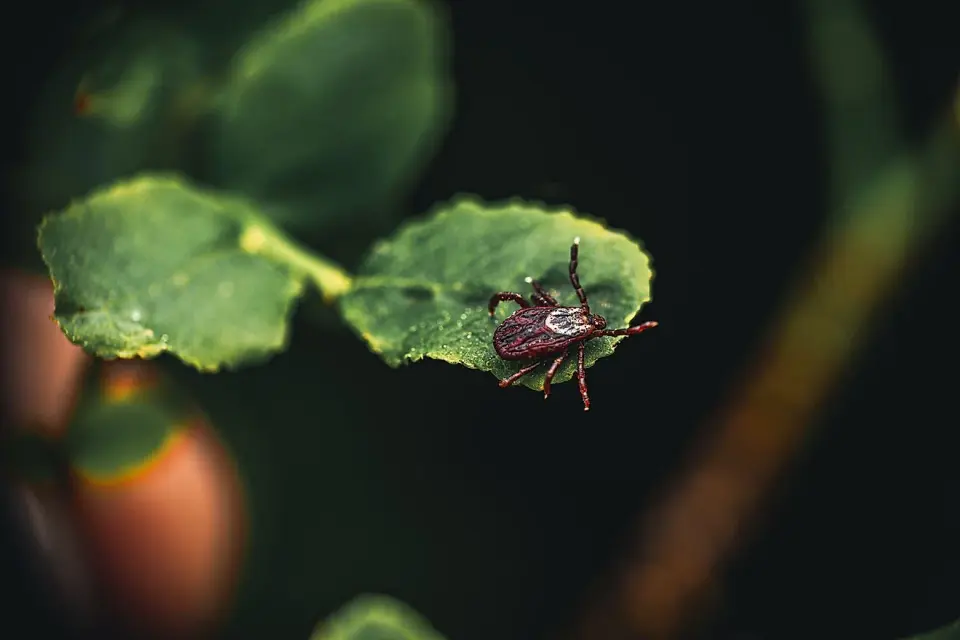
WorldAtlas identifies ten US state parks with the highest tick-borne disease risks, led by Pine Grove Furnace in Pennsylvania and Green Lakes in New York. These locations, concentrated in the Northeast and upper Midwest, feature dense tick habitats and high visitor numbers. The article details specific infection cases, including misdiagnoses and severe neurological impacts, while noting that Pennsylvania and New York report the most Lyme cases nationally. Prevention strategies include using DEET repellents, wearing protective clothing, and performing thorough body checks after hiking. The parks are not recommended for avoidance but for prepared entry, as early treatment of tick-borne illnesses is effective.
Key points
- Pine Grove Furnace State Park in Pennsylvania is ranked highest due to the state's leading Lyme disease cases and documented cases of misdiagnosis leading to long-term illness.
- Green Lakes State Park in New York has confirmed infected ticks through SUNY Upstate Medical University research, with multiple runners contracting Lyme disease on its trails.
- Harriman State Park in New York combines a large deer population with heavy foot traffic from New York City, exposing visitors to pathogens for Lyme, anaplasmosis, and babesiosis.
- Devil's Lake State Park in Wisconsin sees over 2 million visitors annually, placing many people in edge habitats where ticks concentrate, as the state's Lyme cases have tripled in 15 years.
- Jay Cooke and Itasca State Parks in Minnesota are high-risk areas due to dense forests and rising cases of Lyme, anaplasmosis, and babesiosis, driven by warmer winters and growing deer populations.
- Starved Rock and Mississippi Palisades State Parks in Illinois face rising tick-borne illness risks, with the state recording over 1,000 cases recently and heavy visitation in wooded canyons.
Background
Recent archive coverage highlights the expanding threat of tick-borne diseases beyond Lyme, including tularemia and Bourbon virus cases in New York and Ontario. These earlier reports underscore the rising detection of rare illnesses and the critical need for preventive measures, such as protective clothing and routine tick checks, which align with the current focus on high-risk state parks.
Why it matters
Understanding which state parks carry the highest tick-borne disease risks allows visitors to take targeted preventive actions, reducing the likelihood of severe, often misdiagnosed infections. As tick populations expand into new regions due to climate changes, awareness of high-risk areas and early treatment protocols are essential for public health and outdoor safety.
What to watch
Health agencies will likely continue monitoring tick activity and disease prevalence in high-traffic state parks, potentially updating risk maps as new data emerges. Visitors are expected to adopt recommended prevention strategies, such as using EPA-registered repellents and performing post-hike body checks, to mitigate risks during peak tick seasons.
Want the full story? Read the original reporting
Read on WorldAtlas