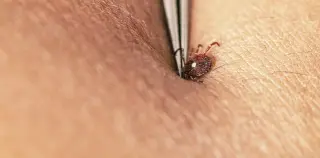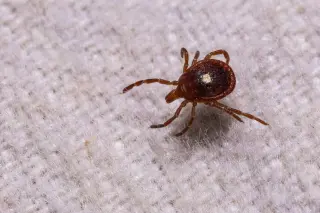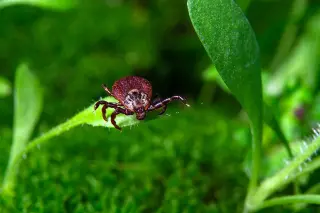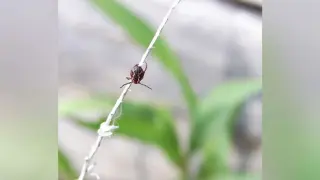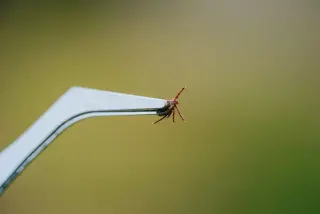
Ticks can transmit Lyme disease and other illnesses; this explainer covers why ticks bite, how to prevent bites in yards and on hikes, the steps to safely remove a tick if bitten, yard-management tactics to reduce tick habitats, and when to seek medical care if symptoms develop.
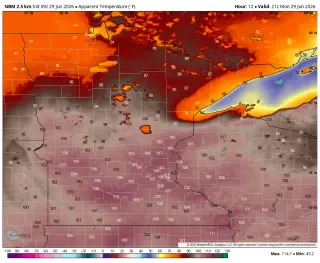
A dangerous heat wave hits the Upper Midwest Monday, with afternoon heat indices of 100–110°F driven by high humidity; highs in the low to mid-90s and overnight warmth offer little relief, and extreme heat warnings/advisories are in effect. If storms develop, they could bring damaging winds but overall thunderstorm chances remain 20–30%. The heat overlies a pattern that stays hot and humid through much of the week, with periodic thunderstorm potential and the risk of heat-related illness if precautions aren’t taken.
As tick season peaks in New England, emergency visits for tick bites are rising and cases of tick-borne illnesses such as Lyme disease and alpha-gal syndrome are increasing, but experts emphasize that outdoor activity can continue with proven prevention strategies to minimize tick encounters.
MDHHS data flag five Michigan hotspots—Sleeping Bear Dunes, Menominee River Corridor, Fort Custer Recreation Area, Porcupine Mountains, and Warren Dunes State Park—where blacklegged ticks and American dog ticks thrive in leaf litter, brush, and dense forests, elevating Lyme disease and other tick-borne illness risks. The article notes public health guidance, the species involved, and prevention steps (tick checks, repellents, showers, and changing clothes) plus resources like the MiTracking dashboard for updates.
A mild Utah/Idaho winter has boosted tick populations, increasing the risk of tick-borne diseases such as Lyme disease and Rocky Mountain spotted fever. Health experts urge precautions when outdoors: use EPA-approved DEET repellent (20%+), wear light-colored long sleeves and closed shoes, avoid tall grasses, and perform thorough tick checks on people, pets, and clothing. To reduce tick activity around homes, maintain lawns, trim vegetation, remove leaf litter, create a 3-foot barrier of wood chips or gravel around play areas, and deter wildlife. If a tick is found, remove it promptly with fine-tipped tweezers, avoiding the mouthparts, and seek medical care if part remains embedded or symptoms appear. As warmer weather arrives, tick activity is expected to rise; for more guidance, consult the University of Idaho extension in Bannock County.
IDPH warns warmer weather increases risks from mosquitoes, ticks, and bats. First West Nile virus–positive mosquito batches have appeared in Cook County; 2025 saw 150 human West Nile cases statewide. Tickborne diseases (including Powassan) are possible, and two bats tested positive for rabies in 2026. Prevent bites by reducing standing water, using EPA-registered repellents, wearing protective clothing, performing full-body tick checks, and vaccinating pets; contact health authorities if exposed to a bat or bitten by an animal.
You can’t completely eliminate ticks, but you can lower your risk of tick-borne illnesses like Lyme by smart yard practices such as reducing brush and leaf litter, mowing and trimming tall grasses near living spaces, creating tick-safe zones, and considering pet safety.
The article warns against relying on AI tools like ChatGPT for outdoor activity planning, such as tide times, highlighting incidents where incorrect AI information led to rescues and emphasizing the importance of consulting verified sources and local expertise for safety.
Japan is experiencing a record high number of tick-borne infections, particularly Severe Fever with Thrombocytopenia Syndrome (SFTS), with 149 cases reported in 2023 so far, mainly in western regions but also in other areas, prompting health officials to advise precautions against tick exposure.
A woman in her 70s in Middlesex County, Massachusetts, has tested positive for West Nile virus, marking the first human case of the year in the state amid elevated mosquito-borne virus risk, prompting health officials to advise precautions against mosquito bites.
The Minnesota Department of Health has issued a West Nile virus alert due to increasing cases and two fatalities, urging residents to take precautions against mosquito bites during the hot and rainy summer, especially in western and central agricultural regions where the primary mosquito spreader is prevalent.
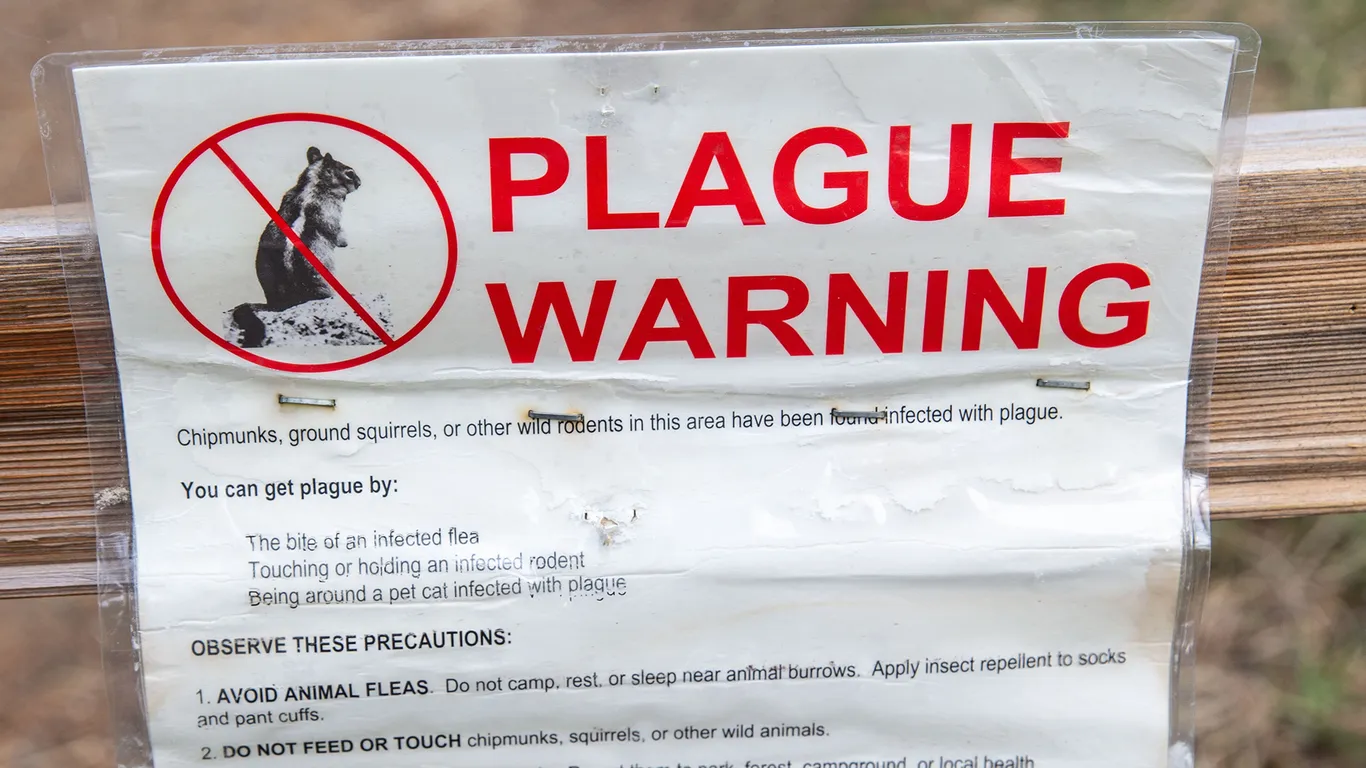
California health officials are investigating a case of plague in South Lake Tahoe, likely contracted from a flea bite while camping, prompting warnings to avoid contact with wild rodents and sick animals, and to seek prompt treatment if symptoms appear. The disease, caused by Yersinia pestis, remains rare but treatable with antibiotics if caught early.
The article provides expert advice on how to prevent and treat insect bites, emphasizing the importance of avoiding certain bugs like wasps, mosquitoes, and ticks through protective clothing, repellents, and environmental management, as well as proper first aid and when to seek medical help for bites and stings.
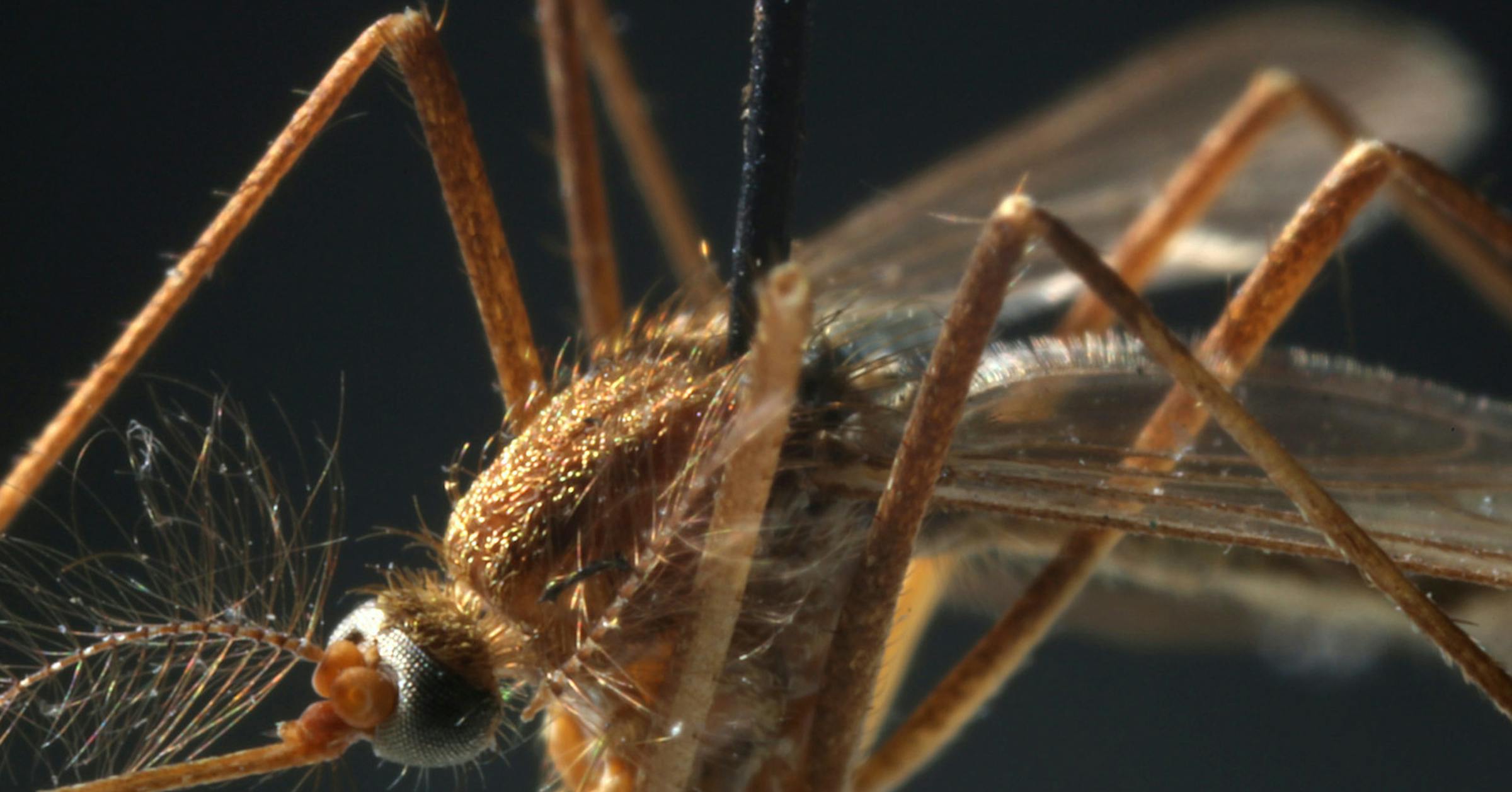
This article provides seven practical tips to prevent mosquito bites during summer, including managing CO2 output, controlling sweat and body odor, choosing protective clothing, using repellents, timing outdoor activities wisely, modifying the environment, and taking extra precautions if you have Type O blood, to enjoy outdoor activities safely.
To prevent mosquito bites, experts recommend using citronella candles or plants, spraying your yard with insecticide if necessary, reducing standing water around your home, avoiding outdoor activities during peak mosquito hours at dawn and dusk, and using fans to deter mosquitoes. Installing bat boxes can also naturally reduce mosquito populations by attracting bats that feed on them.