
Functional Neurological Disorder: The Real Brain Condition Misdiagnosed as Psychosomatic
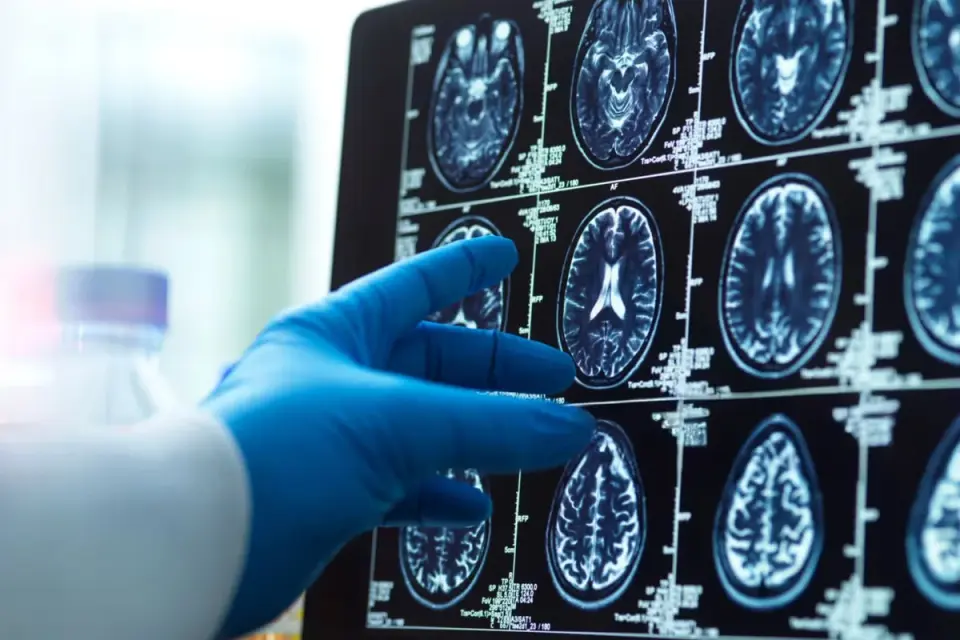
Functional neurological disorder (FND) is a common but often misdiagnosed condition where the brain's communication between body and mind malfunctions, causing real physical symptoms like seizures or paralysis despite normal test results. For decades, patients faced a diagnostic gap, leading to dismissal of their symptoms as 'all in their head.'
Key points
- FND is a neurological disorder where the brain's communication system malfunctions, causing genuine physical symptoms.
- Symptoms can include seizures, paralysis, or vision loss, but standard tests often show no structural damage.
- The condition is frequently misdiagnosed or dismissed as psychosomatic, leaving patients without answers for years.
- The Independent highlights the long-standing gap between normal test results and debilitating symptoms in FND cases.
Background
This story follows recent coverage on the complexities of brain health and diagnosis. In August 2026, we reported on the shift toward diagnosing chronic traumatic encephalopathy (CTE) in living individuals, highlighting the evolving landscape of neurological assessment. Additionally, our coverage of Alzheimer's and other dementias emphasized the importance of accurate diagnosis through cognitive testing and imaging, a contrast to the diagnostic challenges faced by FND patients.
Why it matters
Understanding FND is crucial for improving patient outcomes and reducing the stigma associated with neurological symptoms that lack a clear structural cause. Accurate diagnosis can lead to appropriate treatments and prevent the psychological burden of being dismissed by healthcare providers.
What to watch
Increased awareness and better diagnostic tools for FND could lead to more accurate identification and treatment of patients. Healthcare providers may need to adopt new approaches to recognize and address FND symptoms, moving away from the dismissal of these conditions as purely psychological.
Want the full story? Read the original reporting
Read on The Independent