Tag

Health And Families

All articles tagged with #health and families

Timing Hormone Therapy in Midlife May Cut Dementia Risk
health-and-families3 hours ago

Timing Hormone Therapy in Midlife May Cut Dementia Risk

New UK Biobank research on over 183,000 postmenopausal women followed for about 13 years shows starting hormone replacement therapy during midlife (roughly 46–56 years old) is linked to a lower dementia risk, with about a 10% reduction in all dementia and a 16% reduction in Alzheimer’s disease. Benefits were greatest for those who began between 46–50 (13% reduction) and 51–56 (23% reduction), and stronger effects were seen after surgical menopause. Women with naturally lower lifetime estrogen exposure still showed a 16% reduced dementia risk after HRT. The study supports a “window of opportunity” for personalized brain health strategies, though effects vary among individuals and APOE4 carriers saw about a 13% reduction.

Age-Proof Your Muscles: Seven Practical Moves to Stay Strong
health-and-families4 days ago

Age-Proof Your Muscles: Seven Practical Moves to Stay Strong

The piece explains that muscle loss with age (sarcopenia) can make daily activities harder and outlines seven practical ways to preserve strength: start with sit-to-stand exercises, perform wall push-ups, gradually introduce resistance training under professional guidance, increase weights slowly, join group workouts for accountability, don’t let fear of injury deter you, and consult a physiotherapist to tailor routines that support everyday activities like playing with grandchildren and climbing stairs.

When the brain mispredicts: the reality of functional neurological disorder
health-and-families11 days ago

When the brain mispredicts: the reality of functional neurological disorder

Functional neurological disorder (formerly hysteria/conversion disorder) causes real, disabling symptoms despite normal brain tests. Neuroscience links symptoms to brain networks that predict movement and sensation, with mismatches driving the disturbance. Though common—millions affected in the US—care access is limited and stigma persists, but multidisciplinary treatments and clinician belief can improve outcomes.

Small daily activity shifts linked to higher cancer risk, study finds
life-style18 days ago

Small daily activity shifts linked to higher cancer risk, study finds

A UK Biobank analysis of 59,218 participants over eight years, published in BMC Medicine, finds that replacing daily movement with sedentary time (like sitting or watching TV) raises cancer risk; swapping 30 minutes of movement for 30 minutes of sedentary increases risk by about 8%, with similar risks seen when movement is replaced by sleep or light activity. The study reinforces maintaining an active lifestyle, alongside NHS guidance of at least 150 minutes of moderate or 75 minutes of vigorous activity per week plus strength training.

Liquid cavity treatment could spare kids the drill, US study finds
health-and-families27 days ago

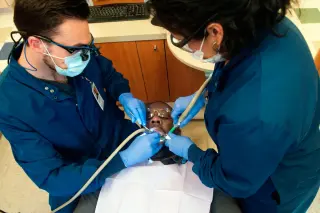
Liquid cavity treatment could spare kids the drill, US study finds

US researchers report a liquid, silver diamine fluoride (SDF) can halt cavity decay in children as young as one without drilling. In a trial of 830 kids across Michigan, New York and Iowa, a 38% SDF concentration stopped decay in more than half of affected baby teeth when applied every six months. The treatment is relatively affordable (about $20–$75 per application) and could be used as a bridge for adults too, with results supporting FDA approval for broader use, though the dark staining of treated decay is a drawback.

Ageing: the real cancer risk and the call for geriatric oncology reform
health-and-families1 month ago

Ageing: the real cancer risk and the call for geriatric oncology reform

Ageing is identified as the leading cancer risk, reflecting a global and Canadian shift toward older populations. The piece argues for routine geriatric assessments before cancer treatment and for more specialized geriatric oncology services, noting that Canada currently has few clinics and that such care can save costs. Barriers include funding, workforce shortages, inertia in oncology care models, and ageism. The authors—Kristen Haase and Shabbir Alibhai—call for targeted, nurse-led or geriatric approaches to expand access and improve quality of life for older adults with cancer (republished from The Conversation).

Walk to a stronger heart: pace, hills and short bursts boost cardio benefits
health-and-families1 month ago

Walk to a stronger heart: pace, hills and short bursts boost cardio benefits

Experts say walking counts as cardio when you raise your heart rate into aerobic zones: aim for a brisk pace or hills to reach about 70–90% of your max heart rate (roughly 220 minus age) with a cadence around 100 steps per minute for moderate intensity. For extra benefit, add short bursts of higher intensity (1–4 minutes at ~80% max HR). Even short walks can lower blood pressure and blood glucose and reduce all-cause mortality, while longer easy walks are fine for stress relief. The walk’s quality matters as much as its length.

Five subtle signs of bowel cancer you should not ignore
life-style3 months ago

Five subtle signs of bowel cancer you should not ignore

A health feature outlines five early warning signs of bowel cancer—blood in the stool, persistent changes in bowel habits, abdominal pain, bloating, and unexplained weight loss—and urges anyone experiencing these symptoms to see a GP promptly. The piece highlights the value of early reporting for better outcomes and explains NHS screening options, including at-home FIT tests and follow-up tests like colonoscopy or CT scans if results are positive.

Healthy eating can still falter: ultraprocessed foods blunt attention even on good diets
health-and-families4 months ago

Healthy eating can still falter: ultraprocessed foods blunt attention even on good diets

A study from Australia and Brazil found that ultraprocessed foods can impair attention and cognitive processing speed after just one bag of chips, even in middle-aged adults whose overall diet contained about 41% ultraprocessed foods. The effect, observed in more than 2,100 participants, occurred within minutes and persisted despite otherwise healthy eating patterns like the Mediterranean diet. Researchers say additives and the degree of processing may drive this link, which aligns with prior work showing higher ultraprocessed intake associates with increased dementia risk factors (and a Harvard Medical School study suggesting a 25% higher dementia risk with higher ultraprocessed consumption). The findings highlight that not only nutrition but also ultra-processing itself may impact brain function.

Seven essential steps to spot and respond to a stroke
health-and-families4 months ago

Seven essential steps to spot and respond to a stroke

Seven essential actions when you spot a stroke: use the FAST test (face, arms, speech, time), call 999 immediately, stay calm and note onset time, keep the person upright and comfortable, don’t give food/drink or medications before professionals arrive, don’t delay if symptoms pass, and don’t drive them—wait for paramedics who will take them to the right unit. Time is brain, and rapid treatment improves outcomes; resources include the Stroke Association and the stroke helpline.

Protein smarter: lean meats and plant-based options for a healthier diet
health-and-families5 months ago

Protein smarter: lean meats and plant-based options for a healthier diet

The Independent reports Americans already get two-thirds of daily protein from meat, but health experts say the best protein sources aren’t limited to red meat. Lean meats and plenty of plant-based proteins—beans, lentils, nuts, and soy—can boost fiber, minerals, and heart health. Federal guidance emphasizes balancing protein with fiber-rich options, suggesting small swaps (not elimination of meat) to improve overall diet and nutrition.