
B12 supplementation corrects growth defects in worms modeling Verheij syndrome
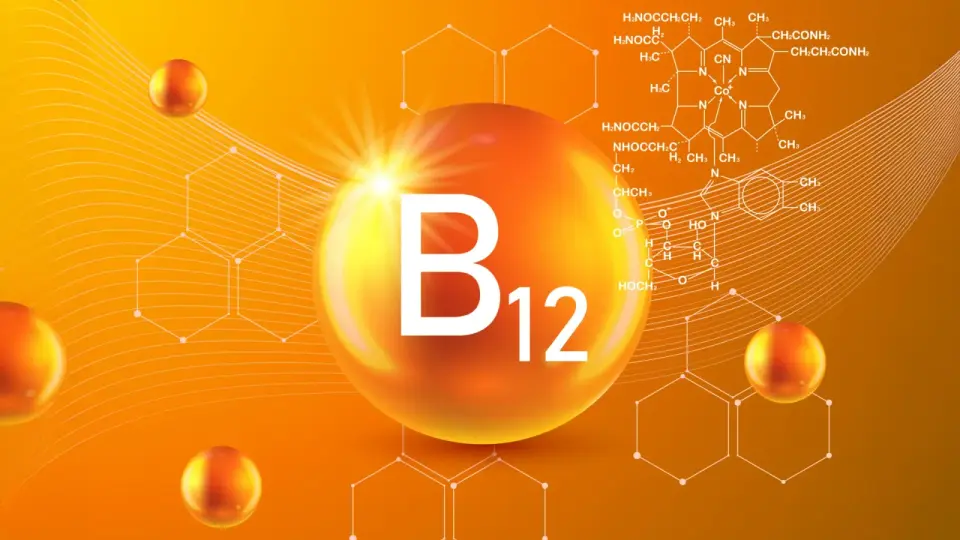
Researchers at the Max Planck Institute for Biology of Ageing found that vitamin B12 largely reverses developmental abnormalities in C. elegans worms carrying a mutation linked to Verheij syndrome, a rare human disorder causing growth delays. The mutation disrupts B12-dependent metabolic pathways, and supplementation restored normal growth in the model organisms. Similar metabolic changes were detected in human patient blood samples, suggesting potential therapeutic relevance, though clinical trials are not yet underway.
Key points
- A mutation in an RNA splicing gene associated with Verheij syndrome causes stunted growth and developmental delays in C. elegans worms.
- The mutation disrupts specific metabolic pathways that rely on vitamin B12 for normal cellular function.
- Administering vitamin B12 to affected worms restored these metabolic processes and corrected their developmental defects.
- Blood samples from human patients with Verheij syndrome showed similar metabolic alterations, indicating a potential link between the worm model and human disease.
- The study was published in Nature Communications in August 2026, with findings reported in November 2026.
Background
Recent archive coverage highlights the growing interest in vitamin B12’s role beyond common deficiency treatments. In October 2026, a family identified an ultra-rare genetic disorder after decades of misdiagnosis, underscoring the challenges in rare disease detection. Additionally, earlier studies have linked GLP-1 weight-loss drugs to B12 deficiencies, emphasizing the vitamin’s critical role in nerve and muscle health. This new research expands the understanding of B12’s impact on genetic disorders involving RNA splicing.
How outlets are covering it
Both ScienceDaily and SciTechDaily report the same core findings from the Max Planck Institute study, emphasizing the surprise that an RNA splicing mutation affects B12-dependent metabolism. ScienceDaily highlights the broader implication that metabolic disruptions may be more significant in RNA splicing disorders than previously thought. SciTechDaily focuses on the translational potential, noting that while human blood samples show similar metabolic changes, clinical efficacy in humans remains unproven. Both outlets agree that further research is needed to determine if B12 supplementation can treat Verheij syndrome in humans.
Why it matters
This discovery offers a potential new treatment avenue for Verheij syndrome and other rare genetic disorders involving RNA splicing. By identifying a metabolic link to a common vitamin, researchers may develop simple, low-cost interventions for conditions that currently lack effective therapies. The findings also suggest that metabolic dysfunction could be a broader factor in genetic diseases, opening new avenues for research and treatment.
What to watch
Researchers will conduct further studies to determine if vitamin B12 supplementation can improve symptoms in human patients with Verheij syndrome. They will also investigate whether similar metabolic disruptions occur in other rare genetic disorders involving RNA splicing, potentially leading to new therapeutic strategies.
Want the full story? Read the original reporting
Read on Science Daily