Tag

Vitamin B12

All articles tagged with #vitamin b12

Paternal B12 and Folate Levels Linked to Birth Defects in Offspring
health9 days ago

Paternal B12 and Folate Levels Linked to Birth Defects in Offspring

A large Chinese cohort study found that low red blood cell B12 and folate levels in both mothers and fathers around conception are associated with a higher risk of birth defects in offspring, including heart defects, suggesting paternal nutrition and possible epigenetic effects may influence fetal development and reinforcing the case for including men in preconception care.

science26 days ago

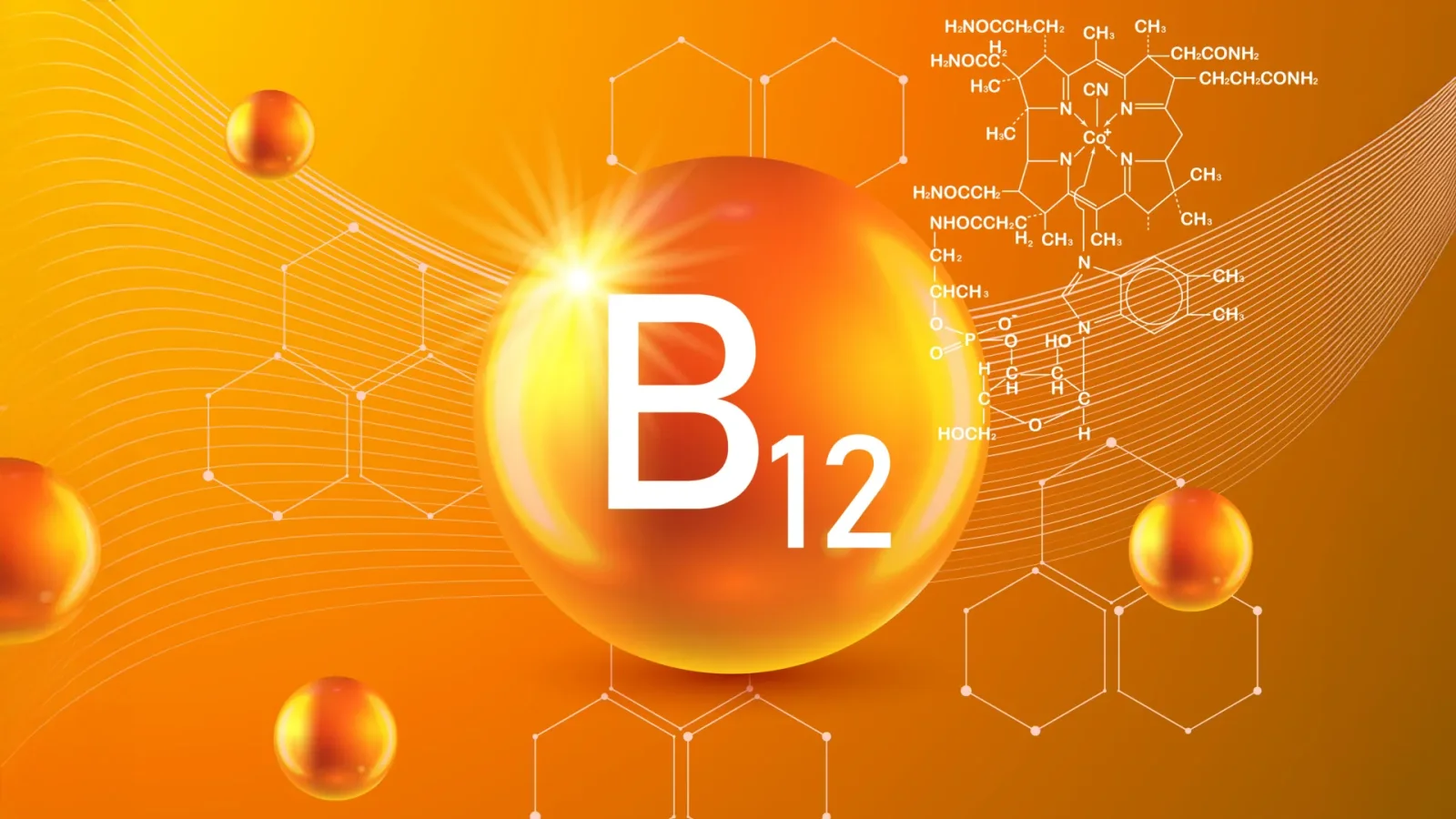
Phages Open B12 Floodgates, Reshaping Microbial Communities

Virginia Tech researchers show that bacteriophages lysing B12-producing bacteria release vitamin B12 into the surrounding environment, feeding neighboring microbes that cannot make enough B12 themselves and reshaping gut microbial communities by altering diversity and composition; the timing and location of B12 release matter, suggesting viruses act as nutrient recyclers in microbial ecosystems.

Five brain-boosting nutrients and their best food sources, per neurologist Dr. Rahul Chawla
health1 month ago

Five brain-boosting nutrients and their best food sources, per neurologist Dr. Rahul Chawla

Neurologist Dr. Rahul Chawla highlights five nutrients essential for brain function—Vitamin B12, Omega-3 fatty acids (DHA), iron, folic acid, and flavonoid antioxidants—along with their key food sources (meat/fish/dairy, flax/chia/walnuts, lentils/beans/spinach, leafy greens/citrus, berries/dark chocolate), and notes that correcting deficiencies and ensuring adequate protein, choline and magnesium support overall brain health.

B12 Deficiency Isn’t Just About Diet — Hidden Absorption Issues Affect Anyone
health1 month ago

B12 Deficiency Isn’t Just About Diet — Hidden Absorption Issues Affect Anyone

Vitamin B12 deficiency can affect omnivores as well as vegetarians, due to malabsorption from factors like pernicious anemia, gut diseases or surgeries, medications (such as metformin and proton pump inhibitors), aging, alcohol use, and nitrous oxide exposure; because B12 absorption relies on intrinsic factor and a healthy stomach/intestine, symptoms like fatigue, numbness, or cognitive changes may develop gradually, making diagnosis and treatment focus on addressing absorption rather than diet alone.

Low Vitamin B12 Linked to Slower Brain Processing and Dementia Risk
health1 month ago

Low Vitamin B12 Linked to Slower Brain Processing and Dementia Risk

A study of 231 healthy older adults found that those with lower biologically active vitamin B12 had slower cognitive processing, delayed responses to visual stimuli, and more white-matter brain lesions, suggesting a potential link to dementia and questioning whether current B12 recommendations are sufficient. Experts emphasize testing B12 levels and discuss dietary sources and supplementation with a healthcare provider if needed.

Active B12 May Signal Dementia Risk in Older Adults
health1 month ago

Active B12 May Signal Dementia Risk in Older Adults

A study in Annals of Neurology found that older adults with lower biologically active vitamin B12 showed slower cognitive processing and more white-matter brain lesions on MRI, suggesting low B12 may be linked to higher dementia risk even when total B12 looks adequate. Current daily recommendations for adults are 2.4 mcg, but obtaining a blood test to gauge optimal B12 levels is advised, as some people can be deficient within the normal range. If deficient, supplementation can help under medical guidance. B12 is obtained from animal foods like beef liver, clams, oysters, salmon, and dairy, and helps convert sugar to energy and support brain function, though more research is needed to define ideal levels.

Tiny Molecule, Big Aging Impact: Vitamin B12 and Elder Health
health2 months ago

Tiny Molecule, Big Aging Impact: Vitamin B12 and Elder Health

Vitamin B12 is needed in trace amounts but deficiency is common, especially among older adults. Aging can reduce stomach acid and intrinsic factor, impairing B12 absorption from animal foods and causing fatigue, numbness, balance or memory problems. Testing and guidance are advised for those at risk; injections treat confirmed deficiency but don’t boost energy in people with normal B12. Recent research links B12 to mitochondrial energy in muscle and aging, but it does not reverse aging.

Tiny Vitamin B12, Big Aging Clues: Why Small Doses Still Matter
health3 months ago

Tiny Vitamin B12, Big Aging Clues: Why Small Doses Still Matter

Two micrograms of vitamin B12 are enough daily, but deficiency is common—especially in older adults with reduced stomach acid or absorption issues. B12 is essential for DNA and mitochondrial energy in cells, and newer research links low B12 to impaired mitochondrial energy production in muscle, which may help explain fatigue even before anemia appears. While B12 injections treat diagnosed deficiency, they don’t boost energy in people with normal B12 levels, so persistent tiredness should prompt investigation of underlying causes and absorption issues.

B12 and Folate Levels Linked to Fatigue and Motivation in Healthy Adults
health3 months ago

B12 and Folate Levels Linked to Fatigue and Motivation in Healthy Adults

A study of nearly 600 healthy Japanese adults links low vitamin B12 and folate to higher homocysteine levels and fatigue in men, and to lower motivation in women, suggesting nutrition may influence fatigue even in healthy individuals; the findings, published in Nutrients, underscore the importance of maintaining adequate B12 and folate through a balanced diet.

B12 and folate status linked to fatigue, hinting at a dietary route to energy
health3 months ago

B12 and folate status linked to fatigue, hinting at a dietary route to energy

A Japanese cross‑sectional study found higher homocysteine, a marker of B12 and folate deficiency, is associated with greater fatigue and lower motivation, though causation cannot be established. The findings suggest maintaining adequate B12 and folate through diet or fortified foods and supplements may help, but researchers caution about selection bias and the need for further research to confirm any causal link.

Diet-Driven Fatigue: Deficiencies in B9 and B12 Linked to Energy Gaps
health3 months ago

Diet-Driven Fatigue: Deficiencies in B9 and B12 Linked to Energy Gaps

A cross‑sectional study of about 600 healthy adults finds higher homocysteine levels—reflecting folate and B12 deficiency—associate with fatigue: in men, more physical fatigue; in women, reduced motivation. The work suggests daily energy and mental drive depend on adequate B9/B12, not just sleep, and may expand the use of homocysteine screening beyond cardiovascular risk.

Vitamin B12: High Blood Levels as a Possible Cancer Signal, Not a Cure
health3 months ago

Vitamin B12: High Blood Levels as a Possible Cancer Signal, Not a Cure

Vitamin B12 is essential for DNA repair, nerve function, and blood cell health, but very high levels may signal underlying illness rather than provide cancer protection. While deficiency is a real risk, long-term high-dose B12 supplements have not shown clear cancer-preventive benefits, and elevated B12 in cancer patients is often an epiphenomenon caused by liver release or B12-binding proteins. High B12 could serve as a cancer marker in some cases, especially for colon or oral cancers, but for most people a balanced diet suffices and megadoses should only be taken under medical advice, with emphasis on overall healthy habits and routine screenings.

Vitamin B12: fueling aging muscles by reviving mitochondrial energy
science3 months ago

Vitamin B12: fueling aging muscles by reviving mitochondrial energy

New Cornell-led research shows that even modest Vitamin B12 shortfalls can degrade aging muscle energy by harming mitochondria: B12 deficiency reduces mitochondrial DNA integrity and respiratory capacity, while short-term B12 supplementation in older mice doubled mitochondrial complex IV activity and boosted energy, suggesting blood B12 levels could guide precision nutrition to counter age-related muscle decline.