
CRISPR Therapy Maintains 52% Cholesterol Reduction After One Year
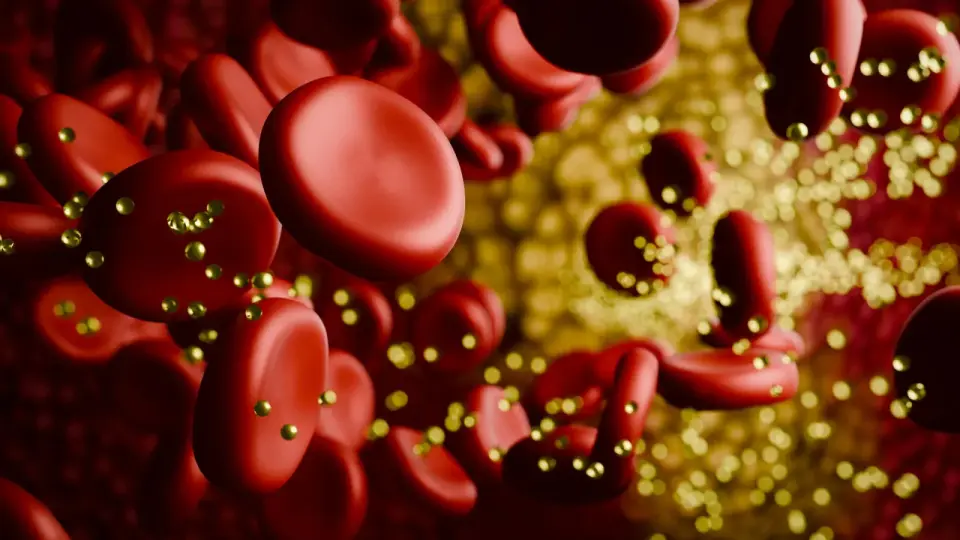
A single infusion of the experimental CRISPR therapy CTX310 reduced LDL cholesterol by 52.5% and triglycerides by 47.8% in a 15-patient trial, with effects persisting for one year. The treatment targets the ANGPTL3 gene in the liver, offering a potential one-time alternative to daily medications for patients with resistant lipid disorders.
Key points
- Cleveland Clinic researchers reported that CTX310, a CRISPR-Cas9 gene-editing therapy, produced durable lipid reductions in a Phase 1 trial.
- The highest dose (0.8 mg/kg) lowered LDL cholesterol by 52.5% and triglycerides by 47.8% at the 12-month mark.
- The therapy targets the ANGPTL3 gene, which regulates blood fats; disabling it mimics natural genetic variants associated with lower cardiovascular risk.
- No serious adverse events related to the therapy were reported during the one-year follow-up period.
- Participants had previously failed to achieve adequate lipid control with standard treatments like statins or PCSK9 inhibitors.
Background
This development follows earlier Phase 1 data presented in November 2025, which showed similar reductions at two months. The trial builds on previous research indicating that natural loss-of-function mutations in the ANGPTL3 gene are linked to lower cholesterol and reduced coronary artery disease risk. Concurrently, other gene-editing approaches, such as polypurine hairpins targeting PCSK9, have shown promise in animal models, but CTX310 is the first to demonstrate long-term durability in humans.
How outlets are covering it
ScienceDaily emphasizes the durability of the lipid-lowering effect and the absence of serious safety events, highlighting the potential for a one-time treatment. Martin Cid Magazine provides a more critical analysis, noting that the trial was small (15 participants), open-label, and lacked a placebo group. It also points out that while the therapy worked on top of existing medications, it does not yet replace them, and raises concerns about the irreversibility of the genetic edit. Both sources agree that the results are promising but require larger trials to confirm efficacy and safety.
Why it matters
If successful, CTX310 could transform the treatment of familial hypercholesterolemia and severe hypertriglyceridemia by replacing lifelong daily medication with a single infusion. This could improve patient adherence and reduce the burden of chronic disease management. However, the long-term safety of permanent gene editing remains a critical question, necessitating 15 years of follow-up as recommended by the FDA.
What to watch
CRISPR Therapeutics has initiated a Phase 1b trial using a fixed dose of 0.8 mg/kg, with sites in the United States and other countries. Data from the severe hypertriglyceridemia group is expected in the second half of 2026. Long-term safety monitoring will continue for 15 years to assess the durability and safety of the genetic edit.
Want the full story? Read the original reporting
Read on sciencedaily.com