
GDF15 Hormone Found to Shield Liver from Scarring Independent of Weight Loss
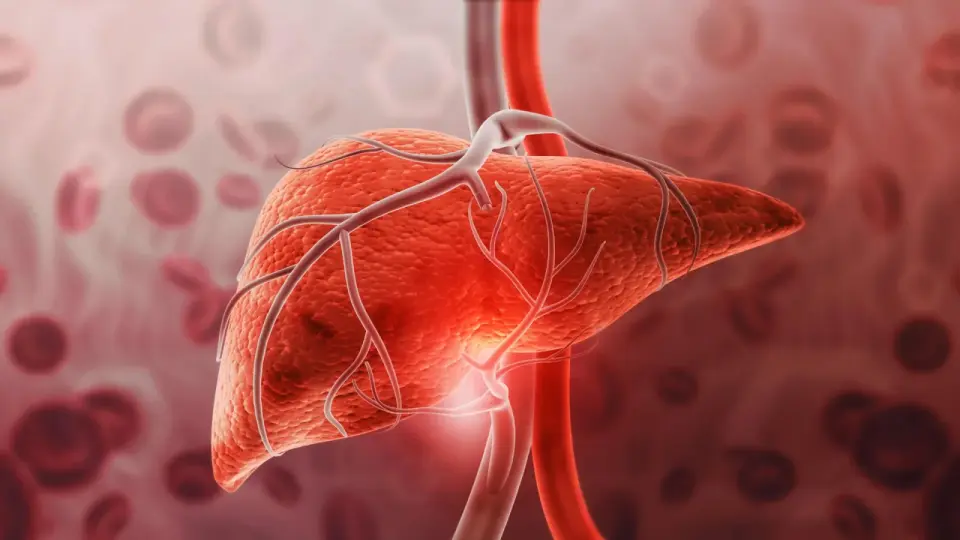
Researchers at McMaster University have identified a new protective function for the hormone GDF15. Published in Cell Metabolism, the study shows that GDF15 reduces liver inflammation and slows scarring in advanced fatty liver disease, even when no weight loss occurs. This suggests the hormone acts as a natural defense against chronic liver injury via a brain-to-liver signaling pathway.
Key points
- GDF15 activates a neuroendocrine pathway that releases glucocorticoids to suppress immune activity in the liver.
- The protective effects on liver fibrosis and inflammation were observed in mouse models regardless of changes in food intake or body weight.
- The findings challenge the view that GDF15 benefits are solely tied to appetite suppression and weight reduction.
- The research aims to inform future therapies that target liver inflammation directly, complementing existing weight-loss treatments.
Background
This discovery builds on earlier 2023 research by the same team, which established GDF15's role in maintaining calorie burning during weight loss. It also follows recent developments in obesity pharmacology, such as Eli Lilly's retatrutide, which has shown significant weight loss results but unclear cardiovascular benefits. While current treatments focus on reducing body weight and liver fat, this new pathway offers a distinct biological mechanism for managing the inflammation that drives disease progression.
Why it matters
Metabolic dysfunction-associated steatohepatitis (MASH) affects millions globally and can lead to cirrhosis or liver cancer. Current therapies often fail to resolve liver inflammation even after significant weight loss. By identifying a natural anti-inflammatory pathway, this research provides a potential target for new treatments that could address liver damage directly, potentially improving outcomes for patients who do not achieve substantial weight loss.
What to watch
Researchers plan to use these findings to guide the development of future therapies that combine weight loss with direct inflammation control. While the current study is preclinical, it offers a biological basis for designing drugs that target the brain-to-liver signaling pathway. Collaborators from Novo Nordisk contributed to the study, which was funded by Canadian health research councils.
Want the full story? Read the original reporting
Read on Science Daily