Tag

Liver Disease

All articles tagged with #liver disease

Vitamin B12: High Blood Levels as a Possible Cancer Signal, Not a Cure
health6 days ago

Vitamin B12: High Blood Levels as a Possible Cancer Signal, Not a Cure

Vitamin B12 is essential for DNA repair, nerve function, and blood cell health, but very high levels may signal underlying illness rather than provide cancer protection. While deficiency is a real risk, long-term high-dose B12 supplements have not shown clear cancer-preventive benefits, and elevated B12 in cancer patients is often an epiphenomenon caused by liver release or B12-binding proteins. High B12 could serve as a cancer marker in some cases, especially for colon or oral cancers, but for most people a balanced diet suffices and megadoses should only be taken under medical advice, with emphasis on overall healthy habits and routine screenings.

MetALD: New Liver Disease Emerging from Obesity and Alcohol
health12 days ago

MetALD: New Liver Disease Emerging from Obesity and Alcohol

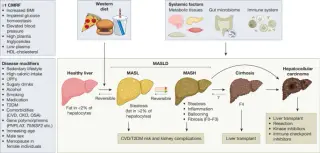
MetALD—metabolic dysfunction and alcohol-associated liver disease—is a rising U.S. health concern as obesity and diabetes intersect with heavy drinking. It affects people with liver fat and metabolic risk factors who drink more than 10 drinks per week (women) or 15 (men); the share of Americans meeting these criteria has roughly doubled since 1990, with about 1 in 10 adults reporting overlapping heavy drinking and obesity. Doctors warn many cases may go undetected, particularly among younger people and women.

AI Blood Test Uncovers Hidden Liver Disease Before Symptoms
science16 days ago

AI Blood Test Uncovers Hidden Liver Disease Before Symptoms

Johns Hopkins researchers have developed an AI-powered liquid biopsy that analyzes genome-wide patterns of cell-free DNA fragments to detect liver fibrosis and cirrhosis years before symptoms, using about 40 million fragments across thousands of genomic locations including repetitive DNA regions. The fragmentome-based approach, aided by machine learning, aims to identify early liver disease and potentially other chronic conditions beyond cancer. The liver-disease classifier is still a prototype and not yet clinically available; validation is ongoing. If validated, earlier detection could enable interventions to reverse fibrosis and reduce liver-cancer risk for millions at elevated risk in the U.S.

Low-dose vitamin E shows promise in repairing fatty liver damage
health28 days ago

Low-dose vitamin E shows promise in repairing fatty liver damage

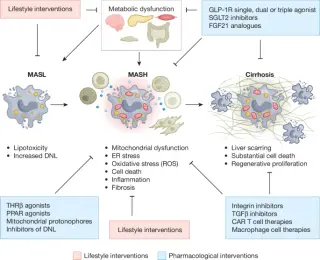
A multicenter trial found that taking 300 mg/day of vitamin E improved liver tissue in adults with metabolic dysfunction–associated steatohepatitis (MASH), with about 29.3% showing histological improvement versus 14.1% on placebo, and noninvasive scans suggesting reduced liver stiffness. The lower dose, compared with earlier high-dose studies, still yielded benefits, but the results are modest and not yet generalizable to all patients. Current vitamin E guidance remains cautious, recommending use only in select non-diabetic adults under supervision, alongside lifestyle changes. More diverse, larger studies are needed to confirm durability and determine how vitamin E fits with diet and other treatments.

GLP-1 Weight Drugs Spark Big Losses, Broad Benefits—and New Risks
health1 month ago

GLP-1 Weight Drugs Spark Big Losses, Broad Benefits—and New Risks

GLP-1 medications used for obesity and diabetes (Wegovy, Ozempic, Mounjaro, Zepbound) can drive dramatic weight loss and improve blood pressure and A1C, with potential extras like reduced inflammation and possible heart, liver, fertility, sleep apnea, joint pain, and addiction benefits. At the same time, users may experience downsides such as hair thinning, excess skin after rapid fat loss, muscle and bone loss, gallbladder problems, vision changes, dental issues, and mood effects. Experts emphasize slow, steady weight loss with monitoring and nutrition, as research continues to clarify the full range of benefits and risks.

MethylScan: A Low-Cost Blood Test for Early, Multi-Disease Detection
biotechnology1 month ago

MethylScan: A Low-Cost Blood Test for Early, Multi-Disease Detection

UCLA researchers report MethylScan, a simple, affordable test that analyzes DNA methylation in circulating cell-free DNA to detect multiple cancers and liver diseases, and to indicate tissue of origin and organ health. In 1,061 samples, it achieved about 98% specificity, ~63% cancer detection across stages (~55% for early-stage) and ~80% detection of liver cancers in high‑risk groups, with a sequencing depth of ~300× costing under $20 per test as costs fall. By reducing background DNA, it functions as a system-wide health monitor, though larger prospective studies are needed to confirm real-world effectiveness.

Hidden Liver Red Flags: 6 Common Symptoms and Subtle Clues to Watch For
health1 month ago

Hidden Liver Red Flags: 6 Common Symptoms and Subtle Clues to Watch For

Liver disease often goes undetected until a doctor diagnoses it, since it covers conditions from alcohol-related liver disease to MASLD/fatty liver, viral hepatitis, autoimmune, and genetic diseases. Common symptoms include fatigue, yellowing of the skin or eyes (jaundice), abdominal swelling, nausea, itching, and easy bruising. Subtle red flags like brain fog, trouble sleeping, joint pain, and on‑and‑off fatigue can also signal liver trouble. Risk rises with age, as liver function can decline in older adults. Protect your liver with a Mediterranean-style, low-sugar diet, regular exercise (about 150 minutes per week), and reduced alcohol intake, and consult a doctor if concerning symptoms appear, since early detection makes a difference.

CBD and CBG Reprogram Liver Energy to Reverse Fatty Liver in Mice
science2 months ago

CBD and CBG Reprogram Liver Energy to Reverse Fatty Liver in Mice

In obese mice fed a high-fat diet, CBD and CBG improved liver function, reduced hepatic fat, lowered blood lipids, and enhanced insulin sensitivity, with CBG generally more effective. The benefits appear to arise from reprogramming hepatic energy and lysosomal pathways rather than activating classic cannabinoid receptors, and were achieved via abdominal injections. While promising for MASLD, human relevance remains to be tested and CBD product quality is variable.

Injectable mini-livers aim to boost liver function without surgery, MIT study finds
technology2 months ago

Injectable mini-livers aim to boost liver function without surgery, MIT study finds

MIT researchers demonstrated injectable hydrogel microspheres carrying hepatocytes form stable, vascularized “mini livers” in mice that survive and secrete liver proteins for about eight weeks, offering a non-surgical alternative or bridge to transplantation with ultrasound-guided delivery and monitoring; future work includes reducing immune rejection and extending duration.

Dementia Linked to Peripheral Health Issues, Not Just Brain Decline
health3 months ago

Dementia Linked to Peripheral Health Issues, Not Just Brain Decline

A global review of more than 200 studies finds up to one-third of dementia cases are linked to diseases outside the brain, with gum disease, chronic liver disease, hearing loss, vision loss, and type 2 diabetes showing the strongest associations. While causality isn’t proven, researchers say preventing peripheral diseases could help mitigate dementia risk and may explain why brain-focused treatments have often failed, highlighting a complex brain–body network and new directions for prevention and research.

Protein-lean diet slows liver cancer in diseased livers, mouse study suggests
science3 months ago

Protein-lean diet slows liver cancer in diseased livers, mouse study suggests

Rutgers-led scientists in Science Advances show that in mice with liver impairment, reducing dietary protein slowed liver tumor growth and extended survival. By impairing ammonia disposal, ammonia increased and was redirected into amino acids and nucleotides that tumors use for growth, suggesting ammonia metabolism fuels cancer in diseased livers. The findings imply that a low-protein diet could lower liver cancer risk or progression for people with liver disease—but doctors caution against self-prescribing such diets, since protein also supports strength during treatment and liver function varies. More research is needed to translate to humans.

Wisconsin experts push for clear alcohol guidance after U.S. dietary guidelines drop numeric limits
health4 months ago

Wisconsin experts push for clear alcohol guidance after U.S. dietary guidelines drop numeric limits

New U.S. dietary guidelines urge Americans to consume less alcohol but drop explicit moderation limits, prompting Wisconsin public-health advocates to call for clearer serving guidance and risk information as alcohol-related liver disease and cancer rise in the state; the shift sparks discussion about warning labels and social norms, including Dry January.