
Dual Preclinical Studies Identify SET Protein and Calcium Channels as New Targets for Glioblastoma
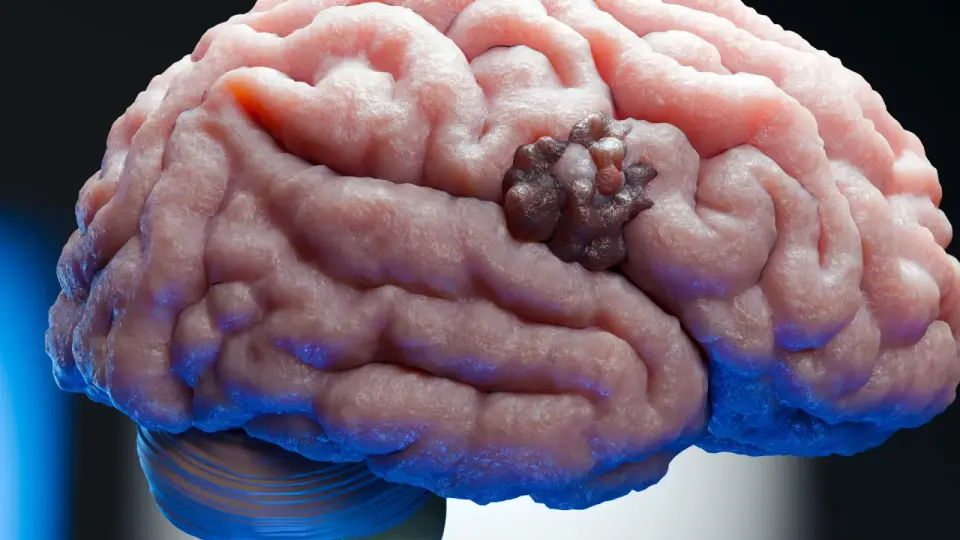
Two independent preclinical studies have identified distinct biological mechanisms that could improve treatment outcomes for glioblastoma, the most lethal form of brain cancer. Researchers at Ohio State University found that blocking the SET protein restores the activity of the PP2A enzyme, making tumor cells more vulnerable to radiation. Simultaneously, scientists at the University of Virginia discovered that inhibiting T-Type calcium channels disrupts tumor growth and connections with surrounding nerve cells. Both approaches aim to sensitize cancer cells to existing therapies rather than replacing them, though neither is yet ready for human clinical trials.
Key points
- Ohio State University researchers identified SET as a key protein that suppresses the PP2A enzyme, which glioblastoma cells use to survive treatment.
- Blocking SET and related proteins in preclinical models prevented tumor formation and increased sensitivity to radiation.
- University of Virginia researchers found that T-Type calcium channels promote tumor growth by facilitating connections between cancer cells and surrounding neurons.
- Blocking these calcium channels in mice slowed tumor progression and improved survival rates.
- The FDA-approved drug mibefradil was noted as a potential candidate for calcium channel inhibition, though it is no longer manufactured.
- Both studies emphasize that current treatments like radiation and chemotherapy remain the standard, but these new targets could enhance their effectiveness.
Background
Glioblastoma remains one of the most challenging cancers to treat, with over 13,000 American adults dying from it annually, most within two years of diagnosis. The disease is characterized by its aggressive growth and ability to evade standard therapies. Recent broader cancer research has highlighted the importance of understanding cellular mechanisms that allow tumors to resist treatment, such as the role of minor splicing in self-destruction or the impact of environmental factors on cancer risk. These new studies contribute to the ongoing effort to find ways to make existing treatments more effective by targeting specific biological pathways that tumors exploit for survival.
How outlets are covering it
The Ohio State University team, led by Arnab Chakravarti, focuses on the molecular pathway involving the PP2A enzyme and its inhibitors, specifically the SET protein. They argue that restoring PP2A activity can weaken the tumor's defenses against radiation. In contrast, the University of Virginia team, led by Roger Abounader, emphasizes the role of calcium channels in the tumor microenvironment, particularly how they facilitate connections between tumor cells and neurons. While both groups agree that the goal is to sensitize tumors to existing treatments, they propose different mechanisms: one targets intracellular signaling via protein inhibition, while the other targets ion flow and neural interactions. The UVA team also highlights a practical hurdle, noting that the calcium blocker mibefradil is no longer manufactured and would require costly clinical-grade production for trials, a logistical challenge not mentioned in the Ohio State findings.
Why it matters
These findings offer potential new avenues for improving the efficacy of standard glioblastoma treatments, which have seen limited progress in recent decades. By identifying specific proteins and channels that tumors use to survive, researchers may be able to develop strategies that make radiation and chemotherapy more effective. Although both studies are preclinical, they provide a clear path for future drug development and clinical trials, potentially leading to better outcomes for patients with this aggressive and often fatal disease.
What to watch
The next step for both research teams is to secure funding and move toward clinical trials. The Ohio State team will investigate whether SET or other PP2A blockers can be safely targeted in humans. The University of Virginia team must first manufacture clinical-grade mibefradil or find an alternative calcium channel blocker, as the current drug is no longer produced. Both groups are also exploring additional approaches, such as using microRNAs and nanoparticles, to further enhance treatment options for glioblastoma patients.
- Scientists find a weak spot in one of the deadliest brain cancers Science Daily
- UVA researchers identify possible new target for treating deadly brain cancer WVIR
- Lethal Brain Cancer: Breakthrough as SET EIP Is Targeted to Prevent Glioblastoma Tumours Dawan Africa
- Targeting Calcium Could Improve Outcomes for Deadly Brain Cancer, Discovery Suggests uvahealth.com
Want the full story? Read the original reporting
Read on Science Daily