Dual Preclinical Studies Identify SET Protein and Calcium Channels as New Targets for Glioblastoma
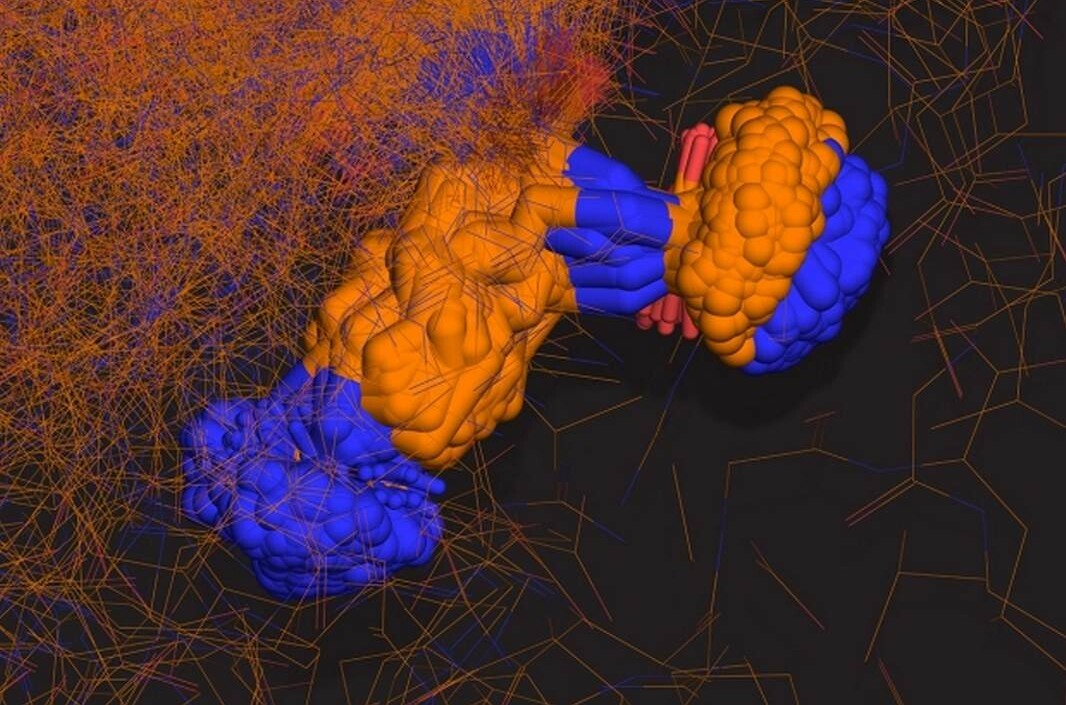
Two independent preclinical studies have identified distinct biological mechanisms that could improve treatment outcomes for glioblastoma, the most lethal form of brain cancer. Researchers at Ohio State University found that blocking the SET protein restores the activity of the PP2A enzyme, making tumor cells more vulnerable to radiation. Simultaneously, scientists at the University of Virginia discovered that inhibiting T-Type calcium channels disrupts tumor growth and connections with surrounding nerve cells. Both approaches aim to sensitize cancer cells to existing therapies rather than replacing them, though neither is yet ready for human clinical trials.