
Gut Microbes Convert Vegetable Nitrate and Iron into Protective Molecules
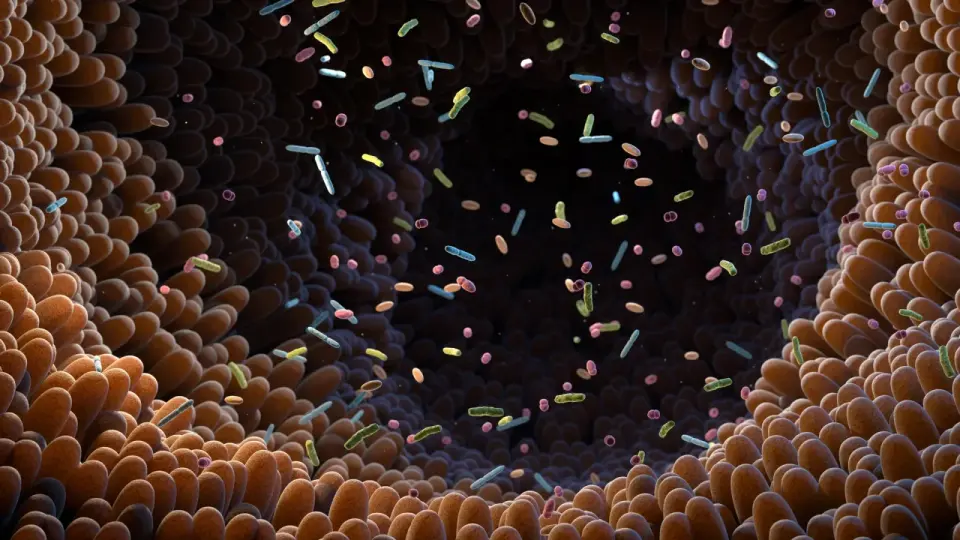
Researchers at Karolinska Institutet found that gut bacteria convert nitrate and plant-based iron from vegetables into dinitrosyl iron complexes (DNICs), which may lower blood pressure, improve blood sugar control, and reduce liver fat. Published in Cell, the study suggests this microbial mechanism explains part of the protective effect of vegetable-rich diets against cardiovascular and metabolic disease, though human trials are needed.
Key points
- Gut bacteria combine dietary nitrate (from beetroot, leafy greens) and non-haem iron (from beans, grains) to produce DNICs.
- DNICs are absorbed into the bloodstream and travel to organs, particularly the liver and kidneys.
- Germ-free mice lacked DNICs entirely, confirming gut microbes are essential for their formation.
- In animal models, higher DNIC levels correlated with lower blood pressure, better vascular function, improved glucose control, and reduced hepatic fat accumulation.
- The study was conducted in collaboration with German medical centers and funded by multiple Swedish and European research bodies.
Background
This finding extends recent research on gut-microbiome interactions, including studies linking dietary fiber to systemic organ health and fecal transplants to sleep improvements. While previous work focused on short-chain fatty acids or protein fermentation byproducts, this study identifies a new pathway involving iron and nitrate metabolism.
How outlets are covering it
ScienceDaily and Inside Precision Medicine both highlight the potential of DNICs as a bridge between diet and cardiometabolic health. However, ScienceDaily emphasizes the caution that most evidence remains in experimental models, while Inside Precision Medicine frames the discovery as a direct link between dietary habits and disease prevention. Both agree that human studies are necessary to validate these findings.
Why it matters
Understanding how gut microbes transform common dietary components into protective molecules could lead to new interventions for cardiovascular and metabolic diseases. It also underscores the importance of vegetable-rich diets, which provide both nitrate and non-haem iron, as a potential strategy for disease prevention.
What to watch
Researchers aim to develop reliable methods to measure DNIC levels in humans and investigate whether dietary or microbiome modifications can alter DNIC production to prevent disease.
- Gut bacteria may unlock a hidden benefit of vegetables Science Daily
- Gut Bacteria Reveal Link Between Diet and Cardiometabolic Health Inside Precision Medicine
- Gut bacteria convert nitrate and iron into heart-protective molecules, research finds Nutrition Insight
- Gut bacteria may transform spinach, beets and plant iron into protective compounds Medical Xpress
- Gut bacteria convert dietary nitrate and iron into protective molecules EurekAlert!
Want the full story? Read the original reporting
Read on Science Daily